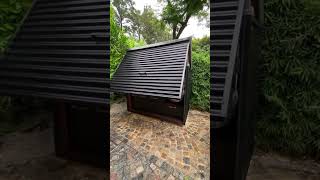
In an era where flexibility and speed define business success, the concept of a portable shop has moved from niche novelty to mainstream necessity. Whether you are an entrepreneur launching a second revenue stream, a hobbyist creating a dedicated workspace, or a business owner seeking temporary retail presence, the idea of an outdoor portable small container shop offers a compelling solution. Viral videos and trending shorts from industry creators, such as those from the channel Jahangir Marquee & Shed, have showcased the versatility of these structures. This article explores the key benefits, practical uses, and crucial factors to consider when embracing this innovative approach to commercial and personal space.
What Is a Portable Shop?
A portable shop is a self-contained, movable structure designed for commercial, retail, or workshop purposes. Unlike permanent brick-and-mortar buildings, these units are engineered for mobility. They are often repurposed shipping containers or purpose-built shed-like units that can be transported to different locations as needed. The term “container shop” specifically refers to units built from or styled after intermodal containers, which offer inherent structural strength and stackability.
What makes this concept particularly attractive is its adaptability. A portable shop can serve as a coffee kiosk, a mobile repair service, a pop-up clothing store, or a secure storage point on a construction site. The key differentiator is that it grants you the ability to establish a physical presence without the long-term commitment and heavy investment associated with traditional real estate.
Why Outdoor Portable Container Shops Are Gaining Popularity
The surge in interest around portable container shops is not accidental. Several factors have converged to make them an intelligent choice for modern entrepreneurs and property owners.
Unmatched Flexibility and Mobility
One of the most significant advantages of a portable shop is the freedom it offers. If one location underperforms, you can relocate your entire business to a area with higher foot traffic. For seasonal businesses, this mobility allows you to follow the demand. Farmers’ markets, festivals, and seasonal fairs become accessible opportunities without the need to build a stall from scratch each time. This flexibility also proves invaluable for businesses that serve multiple construction sites or rural areas where permanent structures are impractical.
Cost-Effectiveness and Lower Overheads
Building a traditional retail space involves substantial costs: land acquisition, construction permits, utility installations, and interior fit-outs. A portable container shop dramatically reduces these overheads. The initial purchase or lease cost of a container-based unit is typically far lower than the cost of a permanent build. Furthermore, because it is movable, you are not permanently taxing one piece of land. This makes the model exceptionally attractive for startups testing a new product line or for small business owners who prefer to invest capital directly into inventory.
Rapid Setup and Deployment
Time is money, and a portable shop saves both. A prefabricated container unit can be delivered ready-to-use, cutting out months of construction time. The installation process is often as simple as delivering the unit, levelling the ground, and connecting to a power source. As highlighted in many viral shedding and marquee shorts, these units can be operational within days, not months. This speed-to-market is a crucial advantage when you need to capitalise on a fleeting business opportunity or seasonal spike.
Ideal Uses for a Portable Container Shop
The versatility of these units means the range of applications is limited only by your imagination. Here are some of the most common and effective uses:
- Pop-Up Retail: Selling clothing, accessories, or handmade goods at markets and events.
- Mobile Cafés and Food Kiosks: Setting up a serving hatch for coffee, snacks, or takeaway food.
- On-Site Offices: Providing a secure, climate-controlled admin space on construction sites.
- Workshops and Studios: Creating a dust-free zone for woodworking, crafting, or art.
- Storage and Logistics: Securing inventory, tools, or equipment close to where they are needed.
- Service Centres: Housing a small repair station for phones, bikes, or small appliances.
- Community Information Points: Serving as a visitor information booth or library kiosk.
As you can see, the container shop concept translates well across different industries, offering a secure and weatherproof environment wherever it is placed.
Key Considerations Before Buying a Portable Shop
Before you commit to purchasing a portable shop, it is essential to assess your specific needs. A careful review of the following points will help you avoid costly mistakes.
- Purpose and Layout: Determine exactly what activities will occur inside. Will you need plumbing, specific electrical outlets, or heavy-duty shelving? The internal layout must be planned around your workflow.
- Size and Portability: Consider the footprint you need and whether the unit can be transported to your preferred locations. Ensure your vehicle or transport provider can handle the dimensions and weight.
- Insulation and Climate Control: Depending on your climate, you may require insulation, air conditioning, or heating. A metal container can become unbearably hot in summer or freezing in winter without proper treatment.
- Security Features: Look for robust lockboxes, reinforced doors, and the ability to install alarm systems. A portable shop is essentially a valuable asset that
Recommended Products
portable shop | campaign:1As an affiliate, this site may earn from qualifying purchases.