When summer heat strikes or your primary cooling system fails, waiting days for repairs isn’t an option. Whether you’re managing a construction site, hosting an outdoor event, dealing with emergency HVAC failure, or simply need temporary climate control, portable AC rental services provide immediate relief without the commitment of purchasing equipment. The rental market has evolved significantly, offering everything from compact residential units to industrial-grade cooling systems that can handle spaces up to several thousand square feet. Understanding how portable AC rental works, what it costs, and which solution fits your needs can save you money while keeping your space comfortable.
What Is Portable AC Rental and How Does It Work?
Portable AC rental refers to the short-term leasing of mobile air conditioning units that can be quickly deployed to provide cooling wherever needed. Unlike permanent HVAC installations that require extensive modifications to your property, these units are self-contained systems designed for temporary use. Rental companies offer various sizes including portable spot coolers and evaporative cooling units that bring cold air where needed, making them ideal for situations where traditional air conditioning isn’t available or practical.
The rental process typically begins with assessing your cooling requirements based on square footage, insulation quality, number of occupants, and heat-generating equipment in the space. Rental providers then recommend appropriate unit sizes measured in tons of cooling capacity or BTUs (British Thermal Units). Most rental agreements include delivery, setup assistance, and pickup services, though some companies offer discounted rates if you handle transportation yourself. The beauty of renting portable air conditioners lies in their flexibility—you can adjust your rental duration from a single day to several months depending on your needs, and many providers offer same-day delivery for emergency situations.
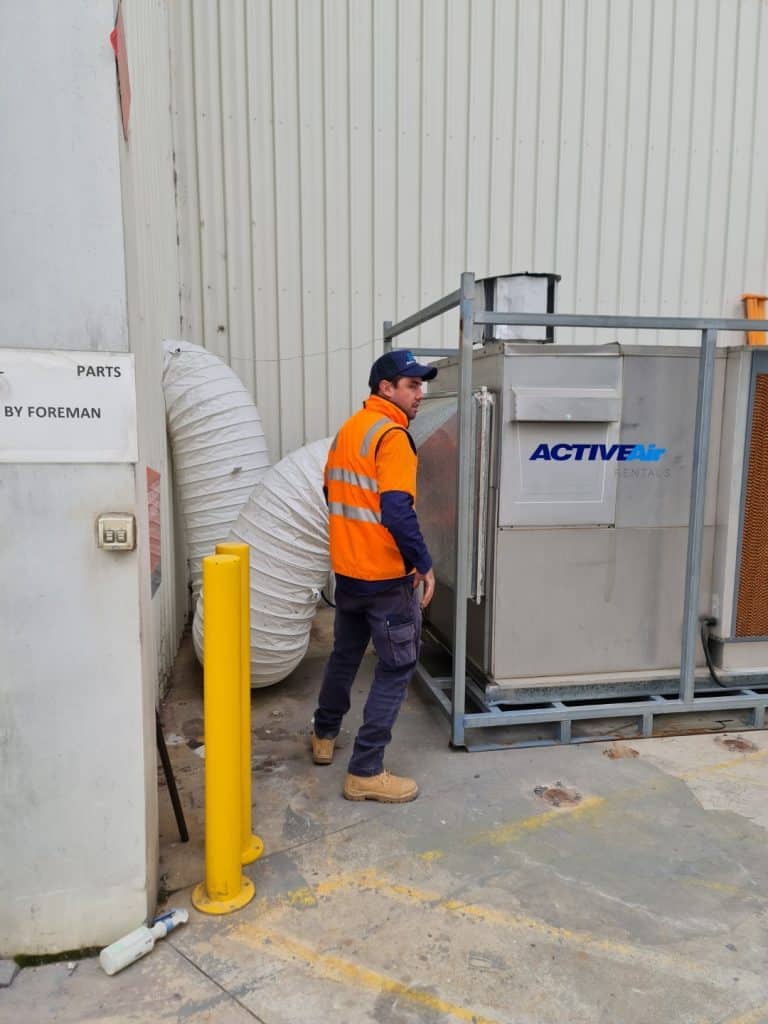
These units work by pulling warm air from your space, cooling it through refrigeration technology, and exhausting hot air outside through a vent hose. Portable AC units are perfect for events, offices, server rooms, and temporary work sites, offering versatile cooling solutions that don’t require permanent installation. Water-cooled models are also available for situations where venting hot air outside isn’t feasible, though these require access to a cold water source.
The Cost Breakdown: How Much Does Portable AC Rental Actually Cost?
Understanding the true cost of portable AC rental requires looking beyond just the daily or weekly rate. Pricing varies significantly based on unit size, rental duration, geographic location, and additional services. Residential portable AC rentals can start as low as $35 per day for smaller units suitable for bedrooms or offices, while commercial-grade systems command higher rates.
Residential Rental Pricing
For homeowners and apartment dwellers, smaller units ranging from 8,000 to 14,000 BTU are available with daily rental rates starting around $20 per day for the most basic models. A typical mini cooler that handles up to 250 square feet with 6,000 BTUs might cost $35-50 per day, while larger units with 10,000-16,800 BTUs suitable for spaces up to 600 square feet can range from $45-75 daily. Weekly discounts are commonly available, potentially reducing your effective daily cost by 20-30% if you commit to longer rental periods.
Commercial and Industrial Pricing
Commercial applications require more substantial equipment. Professional rental fleets include 1-12 ton air and water spot coolers, portable evaporative coolers delivering up to 24,000 CFM, with pricing scaled to capacity. A 1-ton commercial spot cooler might cost $75-150 per day, while larger multi-ton systems can exceed $200-400 daily. For outdoor events, a package for tents up to 40×60 feet with a 25-30 ton air conditioner costs approximately $5,500, typically including necessary generators since outdoor locations often lack sufficient electrical infrastructure.
Additional Costs to Consider
Beyond the base rental rate, budget for delivery fees ($50-300 depending on distance), setup charges ($100-300 for professional installation), fuel costs if generators are required, and potential damage deposits ($200-500). Some companies include free delivery with extended rentals or waive setup fees for larger commercial contracts. Rental prices starting around $300 for a 1-ton portable air conditioner may only cover a weekend, so clarify what’s included in quoted prices before committing.
| Unit Size | Coverage Area | Daily Rate Range | Best For |
|---|---|---|---|
| 6,000-8,000 BTU | Up to 250 sq ft | $20-40 | Bedrooms, small offices |
| 10,000-14,000 BTU | 250-400 sq ft | $35-60 | Living rooms, large bedrooms |
| 1-1.5 Ton (16,000-18,000 BTU) | 400-750 sq ft | $50-100 | Retail spaces, restaurants |
| 3-5 Ton | 1,500-2,500 sq ft | $150-300 | Warehouses, event spaces |
| 10+ Ton | 4,000+ sq ft | $300-600+ | Industrial facilities, large venues |
Key Benefits: Why Choose Portable AC Rental Over Purchasing?
Portable AC rental offers compelling advantages that make it the smart choice for many cooling situations. The most obvious benefit is financial flexibility—renting eliminates the substantial upfront investment required to purchase equipment outright. A one-hose portable air conditioner with about 1 ton of cooling capacity can be purchased for under $300, but commercial-grade multi-ton systems cost thousands or tens of thousands of dollars. When you only need cooling for weeks or months rather than years, rental costs remain far below purchase prices.
No Maintenance Headaches
Equipment maintenance represents another significant advantage. When you rent, the provider assumes responsibility for ensuring units arrive in optimal working condition. Rental companies typically maintain their own units, saving you headaches, and some are on call in case you have any problems with your rental. If a rented unit malfunctions, most companies provide rapid replacement at no additional charge, minimizing downtime. Compare this to ownership, where you’re responsible for repairs, routine maintenance, and potentially expensive part replacements after warranty periods expire.
Perfect Solution for Temporary Needs
Temporary portable AC rental shines in scenarios where cooling needs are inherently short-term. Construction projects represent a prime example—companies use portable air conditioners to maintain controlled air for construction sites where permanent HVAC systems aren’t yet operational. Emergency situations when primary cooling systems fail benefit enormously from same-day portable AC rental availability. Special events from outdoor weddings to corporate functions depend on temporary cooling that disappears when the event ends, leaving no equipment to store.
Scalability and Flexibility
Rental arrangements provide unmatched flexibility to match equipment precisely to changing needs. During a particularly hot week, you might rent additional units, then scale back when temperatures moderate. If your initial unit proves inadequate for the space, providers typically allow upgrades to larger models. This adaptability contrasts sharply with purchased equipment, where you’re locked into specific capacity whether it matches your needs or not.
Storage Elimination
When you rent, you don’t have to store or maintain the unit, a serious consideration especially for larger commercial systems. Industrial-grade portable air conditioners aren’t compact—they require dedicated storage space with climate control to prevent damage during off-seasons. For businesses operating in expensive real estate markets, the square footage saved by not storing HVAC equipment translates directly to financial savings.
Common Applications: When Portable AC Rental Makes Perfect Sense
Understanding the diverse applications for portable AC rental helps recognize situations where these services provide optimal solutions. The versatility of modern rental equipment means there’s likely a portable cooling option for virtually any temporary climate control challenge you face.
Emergency Residential Cooling
Home HVAC system failures during summer heatwaves create urgent needs. Customer testimonials report rental companies delivering AC units within 90 minutes of emergency calls, providing immediate relief while permanent repairs are scheduled. This rapid response proves especially critical for vulnerable populations including elderly residents, families with young children, or individuals with medical conditions exacerbated by heat. The ability to cool specific rooms where families spend most time—bedrooms for comfortable sleep, living areas for daily activities—makes residential portable AC rental a practical emergency solution.
Construction and Renovation Projects
Construction sites present unique cooling challenges. Companies provide turn-key service including project design, delivery, setup, fueling services customized to construction timelines. Newly constructed buildings lack operational HVAC systems for weeks or months during final construction phases. Workers require comfortable conditions to maintain productivity and safety, particularly in regions with extreme summer temperatures. Portable rental units maintain suitable working conditions without requiring temporary infrastructure modifications that would need removal before project completion. Paint curing, concrete drying, and material storage often require specific temperature control that portable rentals provide cost-effectively.
Server Rooms and Data Centers
Technology infrastructure generates substantial heat requiring consistent cooling to prevent equipment damage and data loss. Server rooms, network operations centers, and data facilities cannot tolerate temperature fluctuations. Portable air conditioners are ideal for server rooms, mobile offices, toolsheds and small outdoor spaces. When primary cooling systems undergo maintenance or unexpected failures, portable AC rental services provide critical backup cooling within hours. Water-cooled models work particularly well in these applications since they don’t require exterior venting, important in secure facilities where wall penetrations are restricted.
Special Events and Outdoor Venues
Event planners depend heavily on portable cooling rental services. Rental companies design setups, install, and remove equipment for events lasting from one hour to one year. Wedding receptions held in tents during summer months, outdoor corporate gatherings, festival vendor areas, and temporary hospitality suites all benefit from portable cooling. The ability to provide comfortable environments transforms otherwise uncomfortable outdoor spaces into enjoyable venues. Professional installation ensures proper capacity for expected attendance levels, with backup plans for temperature spikes.
Retail and Commercial Spaces
Retail businesses occasionally need supplemental cooling during peak customer traffic periods, seasonal sales events, or while permanent systems undergo repairs. Restaurants with outdoor dining areas extend profitable service seasons by adding portable cooling. Pop-up stores and temporary retail locations lack permanent HVAC infrastructure entirely, making commercial portable AC rental essential for customer comfort. Warehouses storing temperature-sensitive inventory use portable units to maintain proper storage conditions in specific zones without cooling entire facilities.
If you’re also looking for other portable solutions for your space, check out our portable cooling options for more climate control alternatives.
Choosing the Right Portable AC Rental: Size, Type, and Features
Selecting appropriate portable AC rental equipment determines whether your investment delivers comfortable temperatures or disappoints with inadequate cooling. Making informed choices requires understanding how different specifications, configurations, and features impact performance in your specific situation.
Calculating Required Cooling Capacity
Proper sizing represents the single most critical factor in rental success. Portable air conditioners average 100 square feet per ton of air conditioning capacity, providing a starting point for capacity calculations. However, this baseline requires adjustment for numerous factors. Ceiling height significantly impacts cooling requirements—spaces with 12-foot ceilings need more capacity than standard 8-foot rooms of identical floor area. Insulation quality matters enormously; poorly insulated spaces with significant air leakage require substantially more cooling capacity than well-sealed, properly insulated environments.
Heat-generating equipment and occupancy levels further complicate calculations. A 500-square-foot conference room hosting 50 people for meetings needs far more cooling than an identical-sized storage room with one or two occupants. Kitchens with cooking equipment, manufacturing spaces with machinery, or retail areas with extensive lighting all generate heat beyond what basic square footage calculations account for. Reputable portable AC rental providers employ experienced technicians who assess these variables to recommend appropriate equipment.
Understanding Unit Types and Configurations
The two common hose configurations for portable AC units are single-hose designs using one hose for air intake and exhaust, and dual-hose designs with separate intake and exhaust hoses. Single-hose units cost less to rent but work less efficiently since they pull conditioned air from your space for the cooling process, creating negative pressure that draws warm outside air through gaps and cracks. Dual-hose configurations separate functions—one hose draws outside air for the cooling mechanism while the other exhausts heat, maintaining neutral air pressure and improving efficiency by up to 40%.
Air-cooled versus water-cooled technology represents another key distinction. Air-cooled units are most common, venting hot air through flexible ducts to windows, doors, or ceiling tiles. They’re straightforward to install and work in most applications. Water-cooled models eliminate hot air venting by transferring heat to water rather than air, making them ideal for interior spaces without exterior access or where aesthetic concerns prohibit visible ductwork. However, they require reliable cold water sources and drainage capabilities, adding complexity to installation.
Essential Features Worth Considering
Modern portable AC rental units offer features that significantly impact user experience and operational efficiency. Programmable thermostats turn units off when rooms reach specific set temperatures, reducing energy consumption and rental operating costs. Auto-restart functions prove valuable in areas prone to power interruptions—units automatically resume operation when power returns without manual intervention. Auto-draining systems convert condensation into exhaust vapor, eliminating manual water removal requirements that otherwise demand attention every few hours.
Noise levels matter, particularly in residential applications, offices, or event spaces where conversation quality affects experience. Industrial construction sites tolerate louder units, but bedroom installations require quieter operation for comfortable sleep. Variable fan speeds allow users to balance cooling power against noise generation, running at lower speeds during quiet hours. Digital displays and remote controls enhance convenience, allowing temperature adjustments without approaching units directly.
Professional Assessment vs. DIY Sizing
While online calculators and general guidelines help estimate requirements, professional assessment provides superior accuracy. Most air conditioner dealers and rental companies have trained specialists who can design custom cooling solutions tailored to your needs. These specialists measure actual spaces, evaluate insulation, identify heat sources, and recommend specific equipment matched to conditions. Their experience prevents common mistakes like under-sizing units that run continuously without reaching target temperatures or over-sizing equipment that cycles on and off too frequently, reducing efficiency and comfort.
Top Portable AC Rental Providers and What They Offer
The portable AC rental industry includes national equipment rental chains, regional climate control specialists, and local providers each offering distinct advantages. Understanding what different provider types offer helps you select services aligned with your specific needs, budget, and location.
National Equipment Rental Companies
Major national providers like United Rentals and EquipmentShare operate extensive networks offering consistent service quality across multiple markets. United Rentals offers rental options from 1-ton small spot coolers to large 12-ton portable units with heating and cooling capabilities up to 135,000 BTU, providing one-stop shopping for projects requiring multiple equipment types beyond just cooling. Their broad inventory includes trusted brands like MovinCool, KwiKool, and Trane, with standardized rental agreements and pricing structures that simplify budgeting for multi-location projects. These companies excel at serving large commercial and industrial clients requiring substantial equipment fleets with predictable availability and support.
Regional Climate Control Specialists
Regional specialists like Axis Portable Air focus exclusively on temporary climate control, developing deep expertise in portable HVAC solutions. Axis Portable Air provides turn-key industry-leading service with fleets including 1-12 ton air and water spot coolers, portable evaporative coolers delivering up to 24,000 CFM, alongside complementary equipment like heaters, dehumidifiers, and air scrubbers. Their technical sales and service teams offer project design assistance, ensuring proper equipment selection and configuration. Operating across multiple major markets including Phoenix, Denver, Dallas, Houston, Las Vegas, and numerous East Coast cities, they provide localized expertise within broader regional coverage.
Customer testimonials consistently emphasize service quality from specialized providers. Construction industry professionals report these companies demonstrate exceptional responsiveness, with equipment arriving as promised and technical support available for troubleshooting. The combination of specialized knowledge and commitment to customer relationships often justifies any premium over generic equipment rental chains.
Local and Independent Providers
Local portable AC rental services like Rescue Cooling Rentals and Patriot Portable Air focus on immediate community needs with personalized service. Rescue Cooling Rentals offers same-day delivery within 90 minutes for emergency situations, proving invaluable during HVAC failures. Their intimate knowledge of local climate conditions, building types, and common cooling challenges enables targeted recommendations. Pricing often proves more flexible than national chains, with greater willingness to negotiate extended rental terms or package deals. Local providers typically maintain relationships with regional HVAC repair companies, potentially coordinating rental equipment during permanent system repairs.
Evaluating Provider Capabilities
When comparing portable AC rental providers, assess several key factors beyond just pricing. Equipment age and maintenance quality directly impact reliability—newer, well-maintained units perform better and fail less frequently. Delivery capabilities including response time, service area coverage, and after-hours availability matter enormously during emergencies. Installation support ranging from basic drop-off to complete professional setup with testing affects total project costs. Backup equipment availability ensures rapid replacement if rented units malfunction. Contract flexibility regarding rental duration, extension options, and early return policies impacts overall value.
Installation and Operation: Getting Your Portable AC Rental Running Smoothly
Successfully deploying portable AC rental equipment requires proper installation and operational understanding to maximize cooling performance while avoiding common pitfalls. While portable units are significantly easier to install than permanent HVAC systems, certain best practices ensure optimal results.
Pre-Installation Preparation
Before your rental equipment arrives, prepare the installation location to expedite setup and ensure proper operation. Identify suitable venting locations—most commonly windows, but potentially doors, drop ceiling tiles, or temporary wall openings in construction settings. Clear the installation area of obstructions, ensuring adequate space around the unit for airflow. Verify electrical capacity matches unit requirements; residential portable ACs typically operate on standard 110-120V circuits, while larger commercial units may require 220-240V or dedicated circuits to prevent breaker trips.
Most units transport sitting upright and should remain upright to prevent compressor damage. Allow units to rest 24 hours before operation if transported on their side, though proper transport avoids this entirely. Have helpers available since even modest-sized units weigh 60-80 pounds while commercial models exceed 150 pounds, making two-person handling essential for safety.
Proper Venting and Placement
Portable AC units vent hot air, so keep them close to windows for effective exhaust. Most rentals include window venting kits with adjustable panels fitting various window sizes and exhaust hoses typically 5-8 feet long. Minimize hose length and avoid bends or kinks that restrict airflow—every additional foot of hose and each 90-degree bend reduces efficiency by several percentage points. In spaces without exterior windows, alternative venting through drop ceilings, temporary wall openings, or adjacent rooms becomes necessary.
Position units strategically within spaces rather than assuming any location works equally well. Avoid placing units directly in sunlight or near heat sources like ovens or electronics, which force them to work harder. Maintain clearance around units—typically 12-20 inches on sides and rear—ensuring proper air circulation. Direct cool air discharge toward areas where cooling matters most, using adjustable louvers to aim airflow across occupied zones rather than directly at walls or furniture.
Condensate Management
All air conditioners generate condensation as they cool humid air. Some features include auto-draining systems that convert condensation liquid into exhaust, eliminating the need to empty units manually. Units without auto-drain require periodic water removal—smaller units may fill 2-3 times daily in humid conditions while larger commercial units include condensate pumps or continuous drainage options. Position units near floor drains or use condensate collection systems when available. Never allow water to overflow, potentially damaging flooring or causing safety hazards.
Operational Best Practices
Once installed, optimize operation through intelligent thermostat management and regular monitoring. Set temperatures realistically—portable units work best maintaining spaces 15-20 degrees below ambient outdoor temperatures. Extreme outdoor heat makes achieving indoor temperatures below 70°F challenging regardless of unit size. Programmable thermostats turn units off when rooms reach specific temperatures, improving energy efficiency. Close doors and windows in cooled spaces, using weather stripping if necessary to prevent cool air loss.
Monitor performance during initial operation. Units should begin producing noticeably cooler air within 5-10 minutes of starting. If cooling seems inadequate after 30-60 minutes, check for venting obstructions, verify proper unit sizing for the space, and ensure windows and doors remain closed. Unusual noises, water leaks, or failure to cool indicate problems requiring immediate attention—contact your rental provider rather than attempting repairs on rented equipment.
Frequently Asked Questions About Portable AC Rental
How long can I rent a portable AC unit?
Rental periods vary from daily to monthly or longer-term arrangements. Most providers offer flexible terms allowing you to extend rentals beyond initial agreements if your needs continue. Daily rates decrease significantly with weekly or monthly commitments, making extended rentals more economical per day than short-term arrangements.
Do I need special electrical outlets for portable AC rental units?
Smaller residential units typically operate on standard 110-120V household outlets drawing 10-15 amps. Larger commercial and industrial units often require 220-240V dedicated circuits or specific amperage capacity. Always verify electrical requirements with your rental provider before delivery to ensure compatibility with available power.
What happens if the rented portable AC stops working?
Reputable portable AC rental companies provide rapid replacement for malfunctioning equipment at no additional charge. Most offer 24/7 emergency support for commercial clients, delivering and installing replacement units within hours of reported failures. Always report operational issues immediately rather than attempting repairs yourself.
Can I move the portable AC rental unit between rooms?
Yes, portability is a primary advantage of these units. However, each relocation requires disconnecting, moving, and reconnecting vent hoses and power, taking 15-30 minutes per move. Some renters choose multiple smaller units for different spaces rather than moving single units repeatedly, especially in commercial applications.
Is delivery and setup included in portable AC rental costs?
Services vary by provider. Some include free delivery within local areas while others charge delivery fees based on distance. Professional installation assistance ranges from basic drop-off requiring self-installation to complete turnkey setup with testing. Always clarify what services are included in quoted rental prices.
How much does portable AC rental cost for events?
Event cooling costs depend on venue size, outdoor versus indoor location, expected attendance, and duration. Small tent events might cost $500-1,500 for weekend rentals including appropriate equipment, while large multi-day events can exceed $10,000 for comprehensive climate control systems with generator power and professional monitoring.
What size portable AC rental do I need for a 500 square foot space?
A 500-square-foot space typically requires 1.5-2 tons of cooling capacity (approximately 18,000-24,000 BTU) under normal conditions. However, factors like ceiling height, insulation quality, number of occupants, and heat-generating equipment significantly affect requirements. Professional assessment ensures proper sizing.
Are there energy-efficient portable AC rental options?
Yes, newer rental equipment features improved efficiency with programmable thermostats, variable speed fans, and advanced compressor technology. Dual-hose configurations operate more efficiently than single-hose designs. Discuss energy efficiency priorities with rental providers to access their most efficient available units.
Can portable AC rentals work in spaces without windows?
Water-cooled portable AC units work in windowless spaces by transferring heat to water rather than exhausting hot air, though they require cold water sources and drainage capabilities. Alternatively, exhaust hoses can vent through ceiling tiles, temporary wall openings, or adjacent rooms with exterior access.
Do I need to clean portable AC rental units?
No, rental providers handle all equipment maintenance including cleaning and servicing between rentals. However, keeping exterior surfaces clean and ensuring vents remain unobstructed during your rental period helps maintain optimal performance.
Ready to beat the heat? Contact a trusted portable AC rental provider today and get same-day cooling solutions delivered directly to your location. Don’t suffer through another uncomfortable day—professional climate control is just one call away.