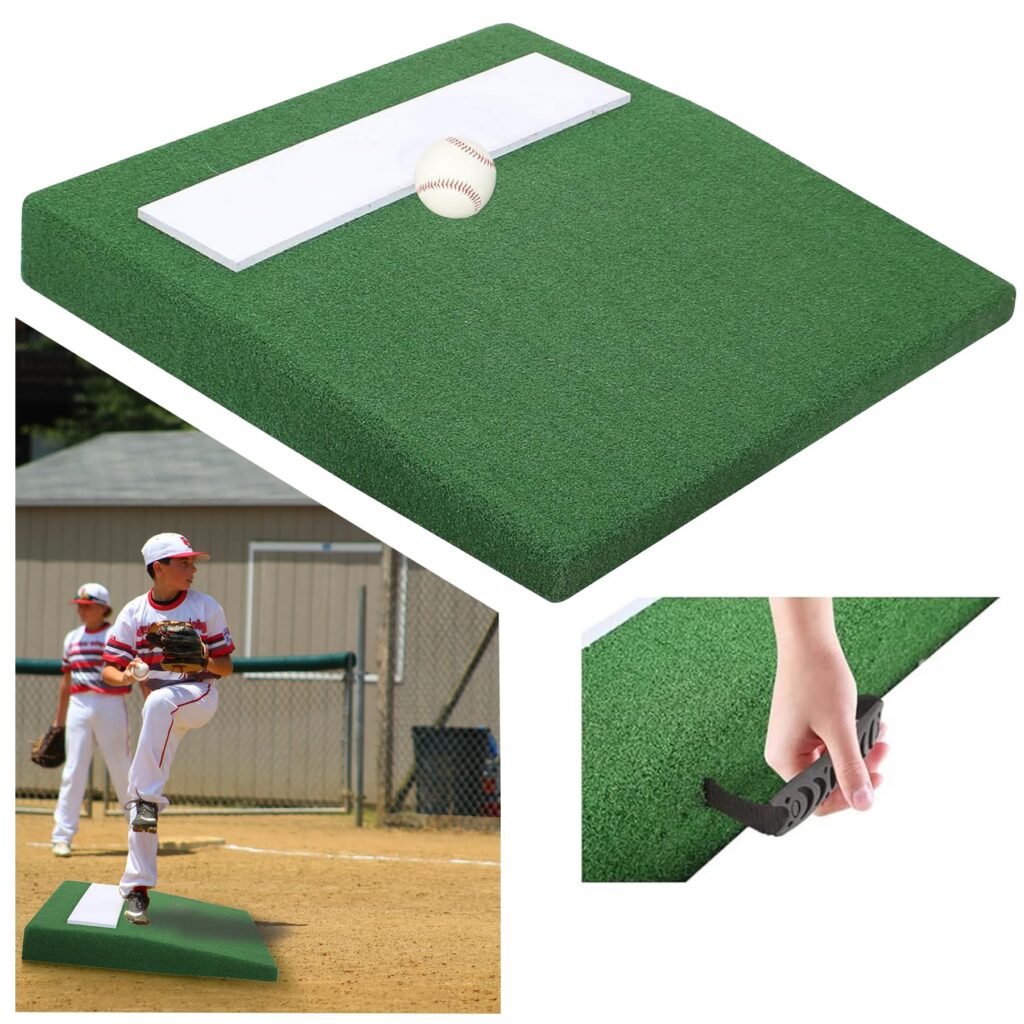
Baseball training has evolved dramatically over the past decade, and one piece of equipment stands at the forefront of this transformation: the portable pitching mound. Whether you’re a youth league coach working with limited facilities, a high school athlete perfecting your mechanics at home, or a professional trainer conducting off-site sessions, understanding the nuances of portable mound systems can revolutionize your approach to pitcher development. These innovative training tools have become indispensable in modern baseball programs, offering unprecedented flexibility without compromising the authentic pitching experience that proper elevation and slope provide.
What Makes a Portable Pitching Mound Essential for Modern Baseball Training
A portable pitching mound represents far more than a simple training accessory—it’s a strategic investment in consistent, quality repetitions that mirror game-day conditions. Traditional fixed mounds limit practice locations to regulation fields, creating scheduling conflicts and reducing available training time. Mobile mound systems eliminate these constraints by bringing professional-grade pitching surfaces to batting cages, gymnasiums, parking lots, or any flat surface where training needs to happen.
The biomechanical advantages of using proper elevation during practice cannot be overstated. Research from the American Sports Medicine Institute indicates that pitchers who train on appropriate mound heights develop more consistent release points and reduce compensatory movements that often lead to injury. A quality portable mound for pitching maintains the regulation 10-inch height differential between the rubber and home plate, ensuring muscle memory developed during practice translates seamlessly to competitive situations. This consistency proves especially crucial for young pitchers whose bodies are still developing the neuromuscular patterns that will define their pitching careers.
Beyond physical mechanics, portable mounds address practical challenges that plague baseball programs nationwide. Weather cancellations, field maintenance schedules, and facility sharing agreements frequently disrupt training continuity. Having a portable baseball pitching mound means coaches can maintain rigorous practice schedules regardless of field availability, moving sessions indoors during inclement weather or setting up in alternative locations when primary facilities are unavailable. This adaptability has become particularly valuable for year-round training programs in regions with harsh winter conditions, where indoor facilities offer the only viable practice option for months at a time.
Types of Portable Pitching Mounds: Finding Your Perfect Match
Game Mounds: Professional-Grade Performance
Game mounds represent the premium tier of portable pitching mound options, designed to replicate regulation field conditions with remarkable accuracy. These full-sized units typically measure 8 feet deep by 6 feet wide, featuring the complete landing area and rubber positioning found on permanent installations. Construction quality varies significantly across manufacturers, with top-tier models utilizing engineered turf over high-density foam cores that provide authentic feel underfoot while maintaining structural integrity through thousands of pitches.
ProMounds and Portolite lead this category, with their game mounds featuring weights between 300-600 pounds depending on construction materials. The substantial mass prevents shifting during delivery but requires careful consideration for transportation logistics. Most game mounds incorporate built-in handles and modular designs that allow two to four people to move them, though some facilities invest in specialized carts or dollies for easier relocation. Professional teams and well-funded high school programs favor these models because they genuinely replicate game conditions, allowing pitchers to develop proper stride lengths and landing mechanics that transfer perfectly to competition.
Key Features of Game Mounds:
- Regulation 10-inch height from rubber to landing area
- Full 8′ x 6′ pitching surface
- Professional-grade turf with proper traction
- Weighted base for stability during high-velocity pitching
- Weather-resistant materials for outdoor use
- Typically $1,500-$4,000 investment range
Practice Mounds: The Versatile Middle Ground
Practice mounds strike an optimal balance between authenticity and practicality, making them the most popular choice among youth leagues, travel teams, and high school programs. These portable pitching mounds typically measure 6-8 feet in depth and maintain proper elevation gradients while reducing weight to 150-250 pounds for easier handling. The reduced footprint doesn’t significantly compromise training value for most applications, as the critical elements—rubber height, slope angle, and landing surface texture—remain consistent with regulation specifications.
The lightweight construction of practice mounds makes them ideal for programs that regularly transport equipment between facilities or conduct training at multiple locations. A typical travel ball organization might move their mound from an indoor facility during weekday practices to tournament sites on weekends, making portability as important as performance. Quality practice mounds utilize multi-layer foam construction with reinforced landing zones to withstand concentrated wear patterns without developing the depressions or soft spots that compromise safety and mechanics.
Training Mounds: Lightweight Solutions for Youth Development
Training mounds cater specifically to youth baseball programs where full regulation dimensions aren’t necessary and maximum portability takes priority. These compact portable mounds for baseball typically weigh 50-100 pounds and feature simplified designs focused on teaching proper elevation mechanics to developing pitchers. While they may sacrifice some authenticity in surface area and material quality, training mounds excel at introducing young athletes to mound pitching without the intimidation factor of full-sized equipment.
Many youth organizations purchase multiple training mounds rather than a single premium unit, allowing them to run simultaneous bullpen sessions or create dedicated stations for specific drills. The affordable price point—typically $300-$800—makes this strategy financially viable, and the lightweight nature means even middle school athletes can help with setup and breakdown. For recreational leagues working with limited budgets and storage space, training mounds provide the essential elevation component without unnecessary complexity or cost.
Critical Features That Define Quality Portable Mounds
Proper Slope Engineering
The geometry of a portable pitching mound directly impacts whether it develops effective or detrimental pitching mechanics. Regulation mounds feature a carefully calculated slope that drops one inch per foot from the front of the rubber toward home plate, creating the 10-inch elevation differential over the 60-foot, 6-inch distance. Quality portable models replicate this gradient precisely, ensuring pitchers develop the forward momentum and weight transfer patterns that optimize velocity and command while protecting arm health.
Inferior mounds often feature simplified slopes that either plateau too quickly or maintain excessive steepness beyond the landing area. These geometric shortcuts force pitchers into compensatory movements—leaning back to maintain balance on overly steep slopes, or failing to properly utilize elevation advantages on insufficient gradients. Sports medicine professionals consistently identify improper mound geometry as a contributing factor in youth pitching injuries, as young athletes’ bodies adapt to whatever surface they practice on most frequently. Investing in properly engineered slope design isn’t optional; it’s fundamental to safe, effective training.
Turf Quality and Traction Characteristics
The turf surface of a portable baseball pitching mound must balance seemingly contradictory requirements: providing secure footing during the drive phase while allowing controlled slide during the stride and follow-through. Premium synthetic turfs incorporate variable pile heights and specially engineered fibers that grip cleat patterns effectively without excessive resistance that could stress knee and ankle joints. The landing zone typically features denser, shorter pile to simulate the compacted clay area where pitchers’ stride feet make contact, while areas near the rubber may have slightly longer fibers for comfort during setup.
UV resistance and weather durability separate quality materials from budget alternatives. Outdoor mounds face harsh conditions—intense sunlight, temperature extremes, moisture exposure—that rapidly degrade inferior turfs through fading, fiber breakdown, and backing deterioration. Professional-grade turfs maintain their traction characteristics and appearance through multiple seasons of intensive use, while budget options may show significant wear within a single year. Many manufacturers now offer turf samples, allowing purchasers to assess fiber quality, backing strength, and traction feel before committing to a complete mound purchase.
Core Construction and Durability
Beneath the visible turf surface, core construction determines a portable pitching mound’s longevity and performance consistency. High-density polyethylene foam has emerged as the gold standard, offering excellent compression resistance, weather immunity, and lightweight properties. This closed-cell foam doesn’t absorb moisture, preventing the weight gain and structural degradation that plague lower-quality materials. The density specification matters significantly—cores should fall in the 4-6 pound per cubic foot range, providing firm support without excessive hardness that could increase impact stress on pitchers’ joints.
Layered construction techniques enhance durability by distributing stress across multiple material densities. Many premium mounds feature harder foam in high-impact landing zones with transitional layers of medium-density material, topped by softer foam just below the turf for surface compliance. This engineering approach maintains critical firmness where pitchers land while preventing the harsh, jarring feel of uniform high-density construction. Some manufacturers have begun incorporating recycled materials into their cores, offering environmentally conscious programs sustainable options without performance compromises.
Selecting the Right Portable Pitching Mound for Your Specific Needs
Youth League Considerations
Youth baseball organizations face unique challenges when selecting portable pitching mounds, as their athletes span wide ranges of physical development, skill levels, and competitive aspirations. For leagues serving players ages 8-12, adjustable or multiple-height mound options provide tremendous value, accommodating different age divisions without requiring separate equipment purchases. Some clever programs invest in modular riser systems that allow a single base mound to function at multiple heights, though this approach requires additional setup time compared to dedicated units.
Safety considerations take precedence in youth applications, as developing bodies are particularly vulnerable to injury from improper mechanics or equipment failures. Rounded edges, secure turf attachment, and stable bases that won’t shift unexpectedly are non-negotiable features. Youth-focused mounds should also incorporate vibrant color-coding or markings that help young pitchers identify proper rubber positioning and landing zones, supporting the educational component of skill development. The investment in quality equipment sends important messages about organizational commitment to player development and safety.
Essential Youth Mound Features:
- Weight range: 75-150 pounds for two-person handling
- Rounded, padded edges to prevent injury
- High-visibility rubber markings for positioning
- Simplified maintenance requirements
- Durable construction to withstand less-refined mechanics
- Price point: $500-$1,200 for sustainable quality
High School and Travel Ball Requirements
Competitive youth programs and high school teams require portable pitching mounds that don’t compromise training quality relative to game conditions. Athletes at this level are developing advanced pitch repertoires, refining delivery mechanics, and facing scout scrutiny that makes authentic training conditions essential. Full-sized game mounds become justifiable investments, as the performance benefits and injury prevention aspects outweigh cost considerations for serious programs.
Transportation and storage logistics take on greater importance at this competitive level, as teams frequently travel to tournaments, showcases, and away games where host facilities may have inadequate or unavailable mounds. Mounds designed for frequent transport should feature reinforced construction, protective covers, and integrated handling systems that minimize setup time. Many programs maintain multiple mounds—a premium game mound for facility use and lighter practice mounds for transport—balancing quality with practicality across different training scenarios.
Professional and College Training Applications
Elite programs demand portable baseball pitching mounds that meet or exceed permanent mound standards, as professional and collegiate athletes’ careers depend on training that precisely replicates game conditions. These organizations typically invest in multiple premium game mounds, positioning them in various training facilities to ensure consistent conditions regardless of weather or schedule. The ability to conduct precise biomechanical analysis in controlled indoor environments during winter months has become integral to modern player development systems.
Professional-grade portable mounds increasingly incorporate technological features that support data-driven training approaches. Some models include embedded force plates that measure weight distribution and ground reaction forces during delivery, while others feature alignment guides and video analysis markers. These advanced portable pitching mounds serve as integrated training systems rather than simple practice equipment, justifying premium pricing through the competitive advantages they provide. Organizations at this level also prioritize manufacturer support services, including regular maintenance, turf replacement programs, and rapid response to equipment issues.
Maintenance Strategies That Extend Portable Mound Lifespan
Daily Care Protocols
Consistent post-session maintenance represents the single most effective strategy for preserving portable pitching mound quality and extending usable lifespan. After each training session, grounds crew or designated players should brush turf fibers against their natural lie using a stiff-bristled grooming brush, redistributing any displaced material and restoring proper pile orientation. This simple five-minute task prevents the matting and directional wear patterns that accumulate with use, maintaining consistent traction characteristics across the entire mound surface.
Debris removal is equally critical, as dirt, clay, and organic material work into turf backing and create abrasive conditions that accelerate fiber wear. Leaf blowers provide efficient cleaning for outdoor mounds, while indoor units benefit from regular vacuuming with commercial-grade equipment. Pay particular attention to the landing zone where pitchers’ cleats concentrate impact forces, as this area accumulates debris most rapidly and shows wear indicators earliest. Many programs establish rotation schedules that designate specific individuals responsible for daily maintenance, ensuring consistency and accountability.
Seasonal Deep Cleaning
Comprehensive cleaning at the beginning and end of each season rejuvenates portable pitching mounds and addresses accumulated wear that daily maintenance misses. Remove loose dirt and debris thoroughly, then use mild detergent solutions with soft-bristled brushes to deep-clean turf fibers, working systematically across the entire surface. Avoid harsh chemicals, pressure washers, or excessive water volumes that could penetrate backing materials or compromise adhesive bonds. Allow complete drying—preferably in direct sunlight—before returning the mound to regular use or covered storage.
Seasonal maintenance provides opportunities to assess structural integrity, identifying issues before they become safety hazards or performance compromises. Check turf attachment security, looking for lifted edges, loose seams, or separation from the foam core. Examine the landing area for compression damage or developing soft spots that indicate foam degradation. Document wear patterns and damage with photographs and notes, creating maintenance histories that inform replacement timing decisions and help optimize training practices that minimize unnecessary equipment stress.
Storage Best Practices
Proper storage during off-seasons or extended non-use periods dramatically impacts portable baseball pitching mound longevity. Climate-controlled indoor storage represents the ideal, protecting equipment from temperature extremes, moisture exposure, and UV radiation that degrade materials over time. If indoor storage isn’t available, invest in quality weather-resistant covers specifically designed for mound dimensions, ensuring complete coverage without gaps where moisture can enter. Elevate stored mounds on pallets or racks that promote air circulation and prevent ground moisture wicking into foam cores.
Position stored mounds to avoid unnecessary weight loading that could cause permanent deformation. Never stack other equipment on top of mounds or lean heavy items against their sloped surfaces. Some programs rotate mounds stored for extended periods, changing their orientation monthly to prevent gravity-induced settling that creates permanent depressions. For organizations maintaining multiple mounds, implement inventory systems that track usage hours, maintenance history, and rotation schedules, ensuring even wear distribution across equipment pools and maximizing total service life.
Installation and Setup: Maximizing Performance and Safety
Surface Preparation Requirements
The foundation beneath a portable pitching mound significantly influences its performance, stability, and safety characteristics. Concrete, synthetic turf, and artificial flooring systems provide ideal bases, offering firm, level surfaces that prevent shifting during use. Inspect base surfaces before each setup, removing debris, moisture, or loose materials that could compromise stability. For outdoor concrete installations, ensure proper drainage to prevent water accumulation under the mound, which creates slipping hazards and potentially damages foam cores through freeze-thaw cycles in cold climates.
Natural grass and dirt surfaces present greater challenges but remain workable with proper preparation. Level the installation area carefully, removing high spots and filling depressions to create uniform support across the mound’s entire footprint. Some coaches prefer placing plywood sheets beneath mounds on natural surfaces, creating stable platforms that distribute weight evenly and prevent gradual settling. This approach adds setup complexity but proves worthwhile for programs conducting extended training sessions on less-than-ideal surfaces.
Proper Mound Positioning and Alignment
Accurate distance measurement from rubber to home plate is non-negotiable when setting up a portable pitching mound, as even small deviations from regulation distance alter pitch timing and affect hitters’ ability to recognize and react to different pitch types. Use quality measuring tapes or laser distance meters to establish the exact 60 feet, 6 inches (for baseball) or 43 feet (for softball) from the front edge of the rubber to the back point of home plate. Mark these positions with chalk or field paint when setting up on open surfaces, creating visual references that streamline future installations.
Directional alignment matters as much as distance, ensuring pitchers work along true pitcher-catcher lines without angular deviations that could develop subtle mechanical compensations. Many facilities establish permanent reference points on walls or ceiling structures that enable quick alignment verification. For portable setups in changing locations, use string lines run from home plate through the mound position to a distant marker, ensuring straight alignment before securing the mound in position. This attention to setup precision separates professional training environments from casual practice situations.
Safety Checks Before Each Use
Implementing pre-session safety inspections for portable pitching mounds takes mere minutes but prevents injuries and equipment failures that could derail entire training programs. Walk the mound surface completely, feeling for soft spots, elevated seams, or loose turf that could catch cleats. Test the rubber’s security, ensuring it hasn’t shifted or loosened from the base surface. Rock the mound gently to verify it doesn’t shift on its base surface—any movement indicates inadequate friction or improper setup that must be corrected before allowing pitchers to use the equipment.
Pay special attention to transition zones where the mound meets the surrounding surface, as these edges present tripping hazards if equipment has shifted or if base surface irregularities have developed. Some programs apply temporary edge markers using chalk or colored tape, creating high-visibility warnings that prevent inadvertent contact by pitchers during follow-throughs or fielders pursuing batted balls. Documenting safety checks in training logs demonstrates organizational commitment to athlete welfare and creates accountability for consistent implementation.
Training Drills Optimized for Portable Mound Use
Mechanical Refinement Sessions
Portable pitching mounds excel in controlled environment training where pitchers can focus intensely on specific mechanical adjustments without game pressure or performance anxiety. Setup mounds perpendicular to full-length mirrors in indoor facilities, allowing pitchers to observe their delivery from address through follow-through, identifying issues like rushing, poor posture, or inconsistent arm slots. This immediate visual feedback accelerates mechanical corrections that might take weeks to implement through traditional coach observation and verbal correction alone.
Video analysis integration represents another strength of portable mound training environments. Position high-speed cameras at multiple angles around stationary mounds, capturing delivery mechanics from front, side, and overhead perspectives simultaneously. The controlled setting eliminates variables like changing mound conditions, shadows, or background distractions that complicate outdoor filming. Pitchers can throw bullpen sessions, immediately review footage with coaches, make adjustments, and throw again—creating rapid iteration cycles that compress learning timelines compared to traditional practice structures.
Bullpen Session Optimization
Traditional bullpen sessions often suffer from inefficiencies as pitchers wait for mound availability, compete with adjacent throwers for coaching attention, or face scheduling constraints that limit session frequency. Multiple portable pitching mounds allow programs to operate simultaneous bullpens in compact spaces, dramatically increasing training throughput. A standard indoor facility that accommodates two permanent mounds might support four to six portable units, allowing entire pitching staffs to work concurrently while maintaining individualized coaching attention.
Structure bullpen sessions into focused work blocks rather than traditional long-format throwing. Research from Driveline Baseball indicates that shorter, more frequent bullpen sessions (20-25 pitches) with adequate rest promote skill acquisition more effectively than traditional 50-60 pitch sessions. Portable mounds enable this approach by allowing quick setup for brief but intensive work, then removal to free facility space for other training activities. Programs implementing this methodology report reduced arm fatigue, improved pitch command, and better transfer of training gains to competitive performance.
Recovery and Rehabilitation Applications
Portable baseball pitching mounds serve critical roles in return-to-throwing progressions following injury or extended rest periods. Physical therapists and athletic trainers can position mounds in treatment facilities, allowing them to directly supervise early-stage throwing as pitchers rebuild arm strength and reestablish mechanical patterns. The controlled environment enables precise monitoring of throwing volume, intensity, and mechanics without the distractions and variables present in traditional practice settings.
Progressive overload protocols benefit significantly from portable mound flexibility, as equipment can be relocated to optimize training stimulus. Begin return-to-throwing programs with mounds positioned on soft surfaces like gymnasium floors that reduce ground reaction forces, then transition to firmer surfaces as athletes rebuild landing leg strength. Some programs utilize shortened mound distances during early rehabilitation stages, gradually moving equipment back to regulation distance as arm strength and command return. This systematic progression reduces re-injury risk while accelerating the return to full competition readiness.
Cost Analysis: Investment vs. Value Over Time
Initial Purchase Considerations
Portable pitching mound pricing spans remarkable ranges, from $300 training models to $5,000+ professional installations, making cost-benefit analysis essential for informed purchasing decisions. Budget-conscious programs must resist the temptation of lowest-price options, as cheaply constructed mounds rarely survive more than one or two seasons of regular use. Calculate true cost per season over expected equipment lifespan rather than focusing solely on initial purchase price—a $1,200 mound lasting five years delivers better value than a $400 unit requiring replacement every 18 months.
Consider total ownership costs beyond purchase price, including transportation expenses, storage requirements, and maintenance supplies. Heavier game mounds might necessitate equipment trailer purchases or vehicle upgrades for regular transport, adding thousands of dollars to effective equipment cost. Some manufacturers offer all-inclusive packages bundling mounds with covers, maintenance kits, and transportation solutions, potentially delivering better value than piecemeal purchasing despite higher upfront costs.
Price Range Comparison Table:
| Mound Type | Price Range | Expected Lifespan | Best For | Annual Cost |
|---|---|---|---|---|
| Training | $300-$800 | 2-4 seasons | Youth leagues, recreational programs | $150-$200 |
| Practice | $800-$2,000 | 4-7 seasons | Travel ball, high schools | $200-$350 |
| Game | $2,000-$5,000 | 8-12 seasons | Colleges, professional organizations | $250-$500 |
Operational Cost Savings
The operational savings generated by portable pitching mounds often justify their initial investment within a single season for programs previously dependent on limited facility access. Consider a travel ball organization previously renting indoor practice space three times weekly during winter months at $150 per hour. Investing $2,500 in a quality portable mound allows them to shift practice to free gymnasium space, saving $1,800 monthly during four-month off-seasons—$7,200 annually. The mound pays for itself in four months while providing equipment ownership benefits extending across multiple years.
Schedule flexibility enabled by portable equipment reduces opportunity costs associated with cancelled practices, tournament travel complications, and facility sharing conflicts. High school programs with portable mounds maintain consistent training schedules despite field maintenance, weather disruptions, or scheduling conflicts with other spring sports. This reliability ensures pitching staffs accumulate necessary repetitions for skill development without the gaps and interruptions that plague programs dependent on single, shared facilities. The competitive advantages gained through consistent training often manifest in improved win-loss records and player advancement to higher competition levels.
Resale Value and Equipment Lifecycle
Quality portable baseball pitching mounds retain significant resale value when properly maintained, creating exit strategies that reduce true long-term costs. Well-maintained game mounds from reputable manufacturers routinely resell for 40-60% of original purchase price even after five to seven years of service, while budget models have virtually no secondary market. Programs upgrading equipment or discontinuing operations can recoup substantial investments by selling to smaller organizations, families conducting home training, or coaches starting new programs.
Strategic equipment rotation further optimizes financial returns. Some larger programs purchase new game mounds every four to five years, then demote used equipment to practice or training roles for additional seasons before final disposal. This cascade approach ensures athletes always train on high-quality surfaces while maximizing total equipment utility before retirement. Organizations implementing rotation strategies report 20-30% lower annualized equipment costs compared to traditional purchase-and-use-until-failure approaches.
Portable Mound Regulations and Competition Considerations
Sanctioning Body Requirements
Different baseball organizations maintain varying standards regarding portable pitching mound use in sanctioned competition, making regulatory compliance verification essential before tournament or league play. USA Baseball, the governing body for amateur baseball in the United States, permits portable mounds in competition provided they meet strict dimensional specifications matching permanent mound requirements. Mounds must measure precisely 10 inches high at the rubber, maintain proper slope gradients, and provide adequate landing area extending at least 6 feet toward home plate.
High school associations following National Federation of State High School Associations (NFHS) rules generally prohibit portable mound use during regular season and playoff games, requiring permanent installations meeting detailed construction specifications. However, these same organizations often approve portable units for practice sessions and off-season training. Travel ball organizations like Perfect Game and USSSA maintain more flexible standards, frequently permitting quality portable mounds at tournament sites where host facilities lack permanent installations. Always verify specific tournament rules before traveling with portable equipment to avoid disqualification or last-minute scrambling for alternative facilities.
Tournament Host Considerations
Organizations hosting tournaments must carefully evaluate portable pitching mound logistics, as equipment quality and setup directly impact competition quality and participant satisfaction. Premium game mounds positioned on quality artificial turf or concrete surfaces can deliver playing conditions indistinguishable from permanent installations, while inferior equipment on poor foundations creates legitimate safety concerns and competitive inequities. Host organizations should maintain exclusive control over mound equipment rather than allowing visiting teams to provide their own, ensuring consistency across all game fields.
Weather contingency planning becomes more complex when tournament infrastructure depends on portable equipment. Heavy rain, extreme heat, and high winds all affect portable mound performance and safety differently than permanent installations. Develop detailed protocols for weather monitoring, mound inspection, and potential game postponement based on equipment conditions rather than just field playability. Some experienced tournament directors maintain backup mounds allowing rapid replacement if primary equipment suffers damage during competition, avoiding tournament delays or field changes that disrupt schedules.
Innovative Training Technologies Integrating with Portable Mounds
Force Plate Integration
Cutting-edge portable pitching mounds now incorporate embedded force plate technology that measures ground reaction forces, weight distribution, and kinetic energy transfer throughout the pitching delivery. These systems capture data points at rates exceeding 1,000 measurements per second, creating detailed profiles of how individual pitchers generate and transfer power from legs through core and into throwing motion. The immediate feedback enables pitchers and coaches to identify mechanical inefficiencies invisible to traditional video analysis, such as premature weight shift, inadequate drive leg engagement, or improper posting during arm acceleration.
Data from force plate systems helps quantify training progress in objective terms, moving beyond subjective assessments of velocity or movement quality. Coaches can track metrics like drive leg peak force, time to peak force, and force symmetry between legs, establishing baselines and monitoring improvement over training cycles. This technology has become particularly valuable in return-from-injury protocols, where objective force production data helps determine when pitchers have fully recovered functional strength and movement patterns. Several professional organizations now consider force plate analysis essential for high-level pitcher development, driving adoption in college and elite amateur programs.
Motion Capture and Virtual Reality
Advanced training facilities are pairing portable baseball pitching mounds with motion capture systems borrowed from animation and video game industries, creating three-dimensional models of pitching mechanics with millimeter accuracy. Reflective markers placed on anatomical landmarks allow infrared camera arrays to track joint angles, segment velocities, and spatial relationships throughout the delivery. The resulting data feeds biomechanical analysis software that identifies inefficient movement patterns and suggests specific corrections based on optimal kinematic models.
Virtual reality integration takes this concept further, allowing pitchers to train on portable mounds while wearing VR headsets displaying game-realistic environments. Pitchers face virtual batters, make pitch location decisions, and execute deliveries on physical mounds while the system records both mechanical execution and decision-making quality. This technology bridges the gap between pure mechanical training and game-realistic practice, developing both physical skills and mental abilities simultaneously. As VR equipment costs decline and software sophistication increases, these integrated training systems are becoming accessible to high school and travel ball programs previously limited to professional organization budgets.
Case Study: Transforming a Youth Organization Through Portable Mound Investment
The Midwest Thunder Baseball Club, a travel ball organization serving 120 players across six age groups, faced chronic training limitations due to inadequate facility access during Ohio’s extended winter season. Their primary practice facility offered limited indoor space with no permanent mound, while local schools prohibited outside organization use of their indoor facilities. Pitching development suffered as athletes received inconsistent repetitions, and coaches struggled to implement progressive training programs due to unpredictable practice conditions.
In 2023, the organization invested $4,800 in two quality portable pitching mounds—one game model for stationary facility use and one practice model for transport to rental gymnasium space. The investment enabled them to establish consistent winter training schedules across all age groups, with pitchers receiving structured bullpen sessions twice weekly regardless of weather conditions. Coaches implemented progressive mechanical development programs impossible under previous limitations, working with pitchers on specific adjustments over multi-week cycles with reliable training conditions ensuring proper skill consolidation.
Results exceeded organizational expectations across multiple dimensions. Pitchers reported 23% fewer arm injuries during the subsequent spring season compared to previous three-year averages, attributed to consistent training preventing the rapid ramp-ups that typically followed extended winter layoffs. The organization’s teams posted a combined .627 winning percentage, up from .541 the previous season, with much of the improvement coming from superior pitching performance. Post-season surveys indicated 87% of families felt the organization provided excellent value relative to comparable programs, with several citing improved pitching development as primary evidence. The equipment investment paid for itself through reduced practice space rental costs within 14 months while delivering competitive and developmental returns that extended far beyond financial considerations.
Regional Considerations: Climate and Environmental Factors
Hot Weather Challenges
Portable pitching mounds in warm climates face specific durability challenges as intense sunlight and high temperatures accelerate material degradation. UV radiation breaks down synthetic turf fibers, causing color fading, brittleness, and eventual fiber fracture that compromises traction. Quality manufacturers treat their turf with UV inhibitors during production, dramatically extending service life in sun-exposed environments. When comparing options for hot-climate use, request specific UV resistance data and warranties covering sun damage—vague claims of “outdoor durability” aren’t sufficient.
Heat absorption creates secondary concerns as dark-colored mounds in direct sunlight can reach surface temperatures exceeding 150°F, creating burn risks and material softening that affects performance. Light-colored turf options reflect more solar radiation, maintaining significantly lower surface temperatures that improve both safety and material longevity. Some southern programs establish rotation protocols, moving mounds to shaded storage between practice sessions during peak summer months, limiting direct sun exposure to actual usage periods. This simple practice can extend equipment life by years in extreme climates.
Cold Weather and Freeze-Thaw Cycles
Northern programs storing portable baseball pitching mounds outdoors during winter must address freeze-thaw cycling that can destroy inferior equipment in a single season. Water penetrating turf backing or foam cores expands upon freezing, creating internal stresses that fracture materials and separate adhesive bonds. Quality mounds utilize closed-cell foams and waterproof backing materials that resist moisture intrusion, while budget models often use open-cell foams that absorb water readily. For programs in cold climates, paying premium prices for moisture-resistant construction is essential rather than optional.
Even quality mounds benefit from cold-weather protection protocols. Store equipment indoors whenever possible during winter months, particularly during extreme temperature periods. If outdoor storage is unavoidable, position mounds under roofs or overhangs that shed precipitation, and ensure protective covers fit tightly without gaps where snow or rain can enter. Some coaches apply silicone-based waterproofing treatments to turf backing before winter storage, adding extra moisture protection to supplement manufacturer treatments. These preventive measures require modest effort but prevent the equipment failures that force emergency mid-season replacements.
Humidity and Moisture Management
High-humidity environments create unique challenges for portable pitching mounds as persistent moisture exposure promotes mold growth, accelerates adhesive breakdown, and can cause foam density changes affecting performance. Coastal programs and those in humid southern regions should prioritize mounds constructed with anti-microbial treatments and moisture-resistant adhesives specifically formulated for high-humidity applications. Avoid storing equipment in poorly ventilated spaces where humidity accumulates—enclosed storage containers without air circulation essentially create mold incubators during warm weather.
Regular drying protocols help manage moisture exposure in humid climates. After outdoor use in damp conditions, move mounds to covered areas with good air circulation, allowing them to dry completely before storage. Some programs use commercial fans to accelerate drying, particularly for mound undersides where moisture tends to collect. Industrial dehumidifiers in storage spaces maintain environmental conditions that prevent mold establishment, protecting multiple equipment types simultaneously. The modest electrical costs of running dehumidifiers prove insignificant compared to premature equipment replacement costs.
Comparative Analysis: Portable vs. Permanent Mound Installation
Performance Characteristics
Quality portable pitching mounds now achieve performance characteristics nearly indistinguishable from well-maintained permanent installations for most training applications. Modern materials engineering has solved historic issues with excessive firmness, inadequate traction, and unrealistic feel that plagued early portable designs. Premium game mounds provide proper elevation, authentic slope geometry, and surface characteristics that allow pitchers to develop mechanics transferring seamlessly to competition. Blind testing studies conducted by several college programs found pitchers couldn’t reliably identify whether they were throwing from portable or permanent mounds when visual cues were eliminated.
However, permanent installations maintain advantages in specific scenarios. The absolute firmness and complete stability of compacted clay mounds remains unmatched by any portable alternative, a factor that matters most to professional pitchers accustomed to major league quality facilities. Permanent mounds also offer superior customization potential, as groundskeepers can adjust slope, firmness, and texture to individual pitcher preferences—modifications impossible with fixed portable designs. For facilities hosting only occasional games or practices, these marginal performance differences rarely justify the significant cost and flexibility sacrifices permanent construction requires.
Cost and Flexibility Comparisons
Financial analysis heavily favors portable baseball pitching mounds for most organizations when accounting for total lifecycle costs and opportunity values. Professional permanent mound construction costs $8,000-$15,000 for materials and labor, requires ongoing maintenance including clay replenishment, compaction, and seasonal rebuilding, and provides zero flexibility for alternative facility uses. By contrast, a $3,000 portable game mound delivers comparable training value, requires minimal maintenance, and can be removed in minutes when facilities need conversion for other sports or events.
The flexibility advantage becomes particularly significant for multi-sport facilities where baseball shares space with soccer, lacrosse, football, or other spring activities. Portable mounds allow these facilities to serve multiple constituencies without compromising any program, converting between configurations in under an hour. This adaptability has made portable mounds increasingly popular even in well-funded programs that could afford permanent construction, as schedule flexibility and facility utilization efficiency outweigh the marginal performance benefits permanent installations might provide.
Accessories and Complementary Equipment
Protective Covers and Transport Solutions
Quality protective covers are essential investments for portable pitching mound owners, as they prevent weather damage, reduce cleaning requirements, and simplify transport logistics. Purpose-designed covers feature weather-resistant materials, reinforced seams, and secure attachment systems that keep covers in place during storage or transport. Generic tarps or covers designed for other equipment rarely fit properly and often cause more problems than they solve through inadequate protection or damage to mound surfaces from improper materials.
Transport carts and dolly systems dramatically improve portable mound handling efficiency and safety. Even relatively lightweight practice mounds benefit from wheeled transport solutions that eliminate manual carrying by multiple people across facilities. Look for carts with appropriate weight ratings, secure mound attachment systems, and wheel designs suited to facility floor surfaces. Pneumatic tires work best for outdoor transport across uneven terrain, while solid rubber or polyurethane wheels prove ideal for indoor facilities with smooth flooring. Some organizations fabricate custom transport solutions using industrial platform carts modified with securing straps and padding, creating cost-effective alternatives to manufacturer-specific options.
Home Plates and Distance Markers
Pairing your portable pitching mound with portable home plate systems creates complete training stations that can be configured anywhere flat surfaces exist. Portable home plates range from simple rubber mats to weighted, regulation-sized units that resist shifting during batting practice. Premium options incorporate strike zone frames that provide instant visual feedback on pitch location, accelerating command development for pitchers working without catchers. These integrated systems allow individual athletes to conduct productive training sessions at parks, school gymnasiums, or any available space without requiring full team logistics.
Distance marking systems ensure proper mound positioning regardless of setup location. Laser distance measurers provide the most accurate and efficient measurement method, displaying exact distances to home plate in seconds. For budget-conscious programs, quality measuring tapes (100-foot minimum length) work reliably when proper technique is employed. Some coaches create portable reference systems using measured rope lengths with marked home plate positions, allowing rapid setup without repeated measurements. Whatever method you choose, measurement accuracy directly impacts training quality—invest in reliable tools and establish verification protocols that ensure consistent compliance with regulation distances.
Maintenance Kits and Repair Supplies
Comprehensive maintenance kits extend portable baseball pitching mound service life significantly while reducing long-term ownership costs. Essential kit components include turf grooming brushes for daily maintenance, mild cleaning solutions specifically formulated for synthetic turf, adhesive products for reattaching loose turf sections, and patching materials for damaged areas. Many manufacturers offer branded maintenance kits containing recommended products for their specific mounds, taking the guesswork out of product compatibility and ensuring optimal results.
Establish organized storage for maintenance supplies in proximity to mounds, making routine care convenient enough that it actually gets completed consistently. Wall-mounted tool organizers in storage areas keep brushes, cleaners, and repair materials accessible while preventing loss or damage. Some programs create maintenance checklists posted near storage locations, standardizing care procedures across different staff members and ensuring nothing gets overlooked. The few hundred dollars invested in quality maintenance supplies and organizational systems prevents thousands in premature replacement costs.
Troubleshooting Common Portable Mound Issues
Addressing Shifting and Stability Problems
Portable pitching mounds that shift during use create serious safety hazards and compromise training quality, making stability issues the most critical problem requiring immediate attention. Shifting typically results from inadequate friction between mound base and supporting surface, though improper setup or base surface conditions can contribute. For mounds used on smooth indoor floors, add friction-enhancing materials to the base—rubber matting, carpet padding, or specialized non-slip underlayments dramatically improve stability without permanent installation. Some coaches apply spray adhesives or grip-enhancing solutions to mound bases, though these products may leave residue requiring periodic cleaning from facility floors.
Weight distribution modifications can resolve persistent stability issues when friction enhancement proves insufficient. Add sandbags or weight plates to mound perimeters, particularly near the rubber where pitchers generate maximum drive forces. Distribute added weight evenly to prevent creating new problems through unbalanced loading. For outdoor installations on natural surfaces, consider driving ground stakes through discrete locations in the mound base, mechanically anchoring equipment against shifting. This approach requires mounds with reinforced attachment points and should only be used when frequent relocation isn’t necessary.
Repairing Surface Damage and Wear
Turf damage on portable pitching mounds typically manifests in high-traffic landing zones where pitcher cleats concentrate impact forces. Minor damage—individual torn fibers, small separated seams, or shallow depressions—often responds to simple repairs using turf adhesive and patching materials. Clean damaged areas thoroughly, removing all dirt and loose material, then apply manufacturer-recommended adhesives following label directions precisely. Press repaired sections firmly and weight them during curing to ensure proper bonding, allowing full cure time before returning equipment to service.
Extensive damage affecting large surface areas or penetrating through turf backing into foam cores requires professional evaluation and potentially complete turf replacement. Many manufacturers offer turf replacement services, re-covering existing foam cores with fresh material at costs substantially below new mound purchase prices. This refurbishment approach makes economic sense for quality cores still providing proper support, extending equipment life by years at fraction of replacement cost. Document damage progression through photographs and notes, helping identify training practices or environmental factors contributing to accelerated wear that might be modified to reduce future damage rates.
Managing Foam Core Deterioration
Foam core problems in portable baseball pitching mounds usually develop gradually, manifesting as soft spots, permanent depressions, or loss of firmness in landing areas. Closed-cell foam cores in quality mounds should maintain structural integrity for eight to twelve seasons with proper care, while cheaper open-cell foams may show significant compression within two to three years. Core deterioration compromises both performance and safety, as inconsistent firmness affects pitcher mechanics and increases injury risk through unpredictable landing surfaces.
Minor compression issues sometimes respond to core decompression techniques. Remove turf covering from affected areas (only attempt this if you have proper tools and skills), then allow foam to recover in unloaded conditions for several weeks. Some foam types exhibit partial recovery from compression when stress is removed and material rests at moderate temperatures. For severe deterioration, core replacement becomes necessary—a service many manufacturers provide, though costs approach 60-70% of new mound prices. At this price point, carefully evaluate whether investing in new equipment makes more sense, particularly if other mound components also show wear or if updated designs offer performance improvements.
Health and Safety Protocols for Portable Mound Use
Injury Prevention Guidelines
Proper portable pitching mound use begins with comprehensive injury prevention protocols that protect athletes from both acute injuries and overuse conditions. Establish mandatory warm-up requirements before any mound work, including dynamic stretching, arm circles, and progressive throwing from flat ground before transitioning to elevated surfaces. Research from the American Sports Medicine Institute indicates that pitchers who complete thorough warm-ups before mound work experience 40% fewer arm injuries than those who skip or minimize preparation routines.
Pitch count monitoring and rest requirements must be enforced consistently for all mound sessions, whether competitive games or training bullpens. Youth programs should follow strict guidelines from organizations like USA Baseball, which provide age-specific pitch limits and mandatory rest periods. Many programs now use pitch counting apps or wearable devices that track throwing volume automatically, removing ambiguity from compliance monitoring. The controlled environment enabled by portable mounds makes it easier to enforce these protocols, as coaches can directly supervise all throwing rather than managing multiple bullpens at different field locations.
Emergency Preparedness
Every facility utilizing portable pitching mounds should maintain comprehensive emergency action plans addressing potential injuries. Designate specific individuals responsible for emergency response during all training sessions, ensuring these personnel have current first aid and CPR certifications. Position first aid kits and ice in immediate proximity to training areas, enabling rapid initial response to acute injuries. For programs training in rented or temporary facilities, verify emergency access routes, identify nearest hospitals and urgent care facilities, and ensure communication devices function reliably in all training locations.
Document all injuries—even seemingly minor incidents—creating records that support injury trend analysis and inform training modifications. Some patterns only become visible through systematic documentation over extended periods, such as particular drills correlating with specific injury types or certain environmental conditions contributing to elevated injury rates. Review injury data quarterly with coaching staff and medical consultants, using evidence-based approaches to adjust training protocols, equipment selection, or facility usage patterns that improve overall athlete safety.
Hygiene and Sanitation
Portable baseball pitching mounds in shared facilities require regular sanitation protocols to prevent disease transmission, a consideration that gained prominence following the COVID-19 pandemic but remains relevant for preventing various communicable conditions. Synthetic turf surfaces harbor bacteria, viruses, and fungi when contaminated with bodily fluids, soil, or organic material. Establish regular cleaning schedules using EPA-approved disinfectants safe for synthetic turf, paying particular attention to areas contacted by hands or bare skin. Allow proper contact time per product specifications before rinsing to ensure effective pathogen elimination.
Individual athlete hygiene practices complement equipment sanitation efforts. Require athletes to wear proper footwear dedicated exclusively to training facilities, preventing cross-contamination from outdoor environments. Encourage immediate reporting of any cuts, abrasions, or skin conditions that could introduce pathogens to shared equipment surfaces. Some programs implement “no barefoot” policies around mound areas, as skin contact with turf surfaces increases disease transmission risk. These simple protocols create cleaner, healthier training environments while extending equipment life by reducing organic contamination accelerating material degradation.
Advanced Applications: Beyond Traditional Pitching Training
Fielding Drills and Defensive Training
Portable pitching mounds serve functions extending beyond pure pitching development, supporting comprehensive defensive training that replicates game situations. Position mounds in infield areas to conduct pitcher fielding practice (PFPs), working on comebackers, covering first base, and backing up throws. The elevated perspective from the mound fundamentally changes reaction time and angles compared to flat-ground fielding, making realistic training essential for pitchers’ complete defensive development. Set up multiple stations using portable mounds at different positions, allowing defensive players to practice various game scenarios simultaneously while maximizing training efficiency.
Catchers benefit from working with portable mounds positioned at regulation distances, developing proper receiving mechanics, blocking techniques, and throw footwork with authentic spatial relationships. The controlled environment allows focused work on specific scenarios—two-strike pitches in the dirt, pitch framing techniques, or pop-up priority calls—without game pressure interfering with skill acquisition. Video analysis from consistent camera positions around portable mound setups provides valuable feedback for defensive skill development, capturing angles impossible to achieve during regular games or field practices.
Hitting Background and Timing Work
Hitting coaches increasingly utilize portable pitching mounds as visual and timing references for batting practice, even when live pitching isn’t involved. Position mounds at regulation distance with pitching machines or batting practice throwers operating from the mound surface, providing hitters with authentic release point perspectives. The elevation differential changes how hitters track pitch trajectories compared to flat-ground machine work, developing more transferable pitch recognition skills. Some advanced programs paint target zones on mound surfaces or position alignment markers that help machine operators maintain consistent release points across all batting practice sessions.
Timing drills specifically benefit from authentic mound positioning, as hitters can practice stride timing, trigger mechanisms, and rhythm patterns that sync with proper pitch delivery timing. Use video delays or virtual reality systems that display pitcher release points from mound positions, allowing hitters to work timing components independent of actual pitch velocity or movement. This approach accelerates learning for hitters struggling with specific pitch types or delivery styles, providing concentrated repetitions without requiring live pitchers to repeatedly throw challenging pitch patterns.
Conditioning and Agility Training
Creative strength and conditioning coaches incorporate portable baseball pitching mounds into comprehensive athletic development programs that build skills transferring directly to game performance. Lateral agility drills running around mound perimeters develop the directional change capabilities pitchers need for fielding responsibilities, while step-up exercises using the mound’s elevation gradient build lower body power in functional movement patterns. Box jump variations landing on mound surfaces, then exploding back to ground level, develop the explosive power generation essential for high-velocity pitching while training proper landing mechanics that reduce injury risk.
Balance and proprioception training utilizing mound slopes challenges stabilizing muscles that maintain proper positioning throughout pitching deliveries. Single-leg stance work, dynamic balance progressions, and resistance band exercises performed on mound surfaces create unstable conditions forcing neuromuscular adaptations that improve body control. These training applications transform portable mounds from single-purpose equipment into versatile training tools supporting comprehensive athlete development programs, increasing return on investment while building well-rounded players with diverse physical capabilities.
Selecting Reputable Manufacturers and Vendors
Industry-Leading Brands
The portable pitching mound market includes numerous manufacturers, but several brands have established reputations for consistent quality, innovation, and customer support. ProMounds leads the premium segment, offering extensive product lines spanning youth training models through professional game mounds with customization options for specific organizational needs. Their Clay Tech Pro mounds feature proprietary foam formulations and turf systems developed through collaboration with professional organizations, resulting in performance characteristics that meet the most demanding specifications. ProMounds backs their products with comprehensive warranties and provides excellent post-sale support including maintenance guidance and replacement part availability.
Portolite specializes in lightweight, highly portable designs that sacrifice minimal performance despite reduced weight. Their engineering emphasizes modular construction allowing easy disassembly for transport while maintaining structural integrity during use. Youth organizations and travel ball teams particularly value Portolite’s balance between portability and authenticity. Jennie-O Sports focuses on the institutional market, producing durable, low-maintenance mounds designed for high-volume use in school and municipal recreation settings. Their straightforward designs prioritize reliability and ease of use over advanced features, appealing to programs needing dependable equipment without complexity.
Evaluating Vendor Support and Warranties
Manufacturer warranty terms reveal much about product quality confidence and organizational commitment to customer satisfaction. Premium portable baseball pitching mound manufacturers typically offer three to five year warranties covering structural defects, foam degradation, and turf separation, with some extending coverage to ten years on foam cores. Read warranty terms carefully, noting exclusions for normal wear, improper use, or inadequate maintenance—vague language or excessive exclusions often indicate manufacturers expect quality problems they’re trying to avoid covering.
Post-sale support separates exceptional manufacturers from companies simply selling products. Evaluate whether vendors provide detailed setup instructions, maintenance guidance, and troubleshooting resources through videos, documents, or direct consultation. The best manufacturers maintain technical support staff who understand their products intimately and can provide specific guidance for your situation. Online reviews and industry contacts offer valuable insights into real-world support experiences—manufacturers providing excellent products but poor support create ongoing frustrations that diminish equipment value regardless of initial quality.
Budget Alternatives and DIY Considerations
Cost-conscious programs sometimes consider building DIY portable pitching mounds using lumber frames, foam insulation, and artificial turf from home improvement stores. While this approach can reduce initial costs to $200-$400, the time investment, specialized tools required, and engineering challenges make DIY construction questionable for most organizations. Proper slope geometry, durable construction, and realistic surface characteristics prove difficult to achieve without specialized knowledge and equipment. Failed DIY projects ultimately cost more than purchasing quality manufactured products when accounting for wasted materials and time.
If budget constraints make manufactured mounds unaffordable, consider used equipment from organizations upgrading or discontinuing programs. Inspectable used mounds from quality manufacturers often provide better value than new budget models, as properly maintained premium equipment retains functionality for years. Some manufacturers offer refurbished mounds at discounted prices, providing like-new performance with reduced costs. Regional sports equipment exchanges, online marketplaces, and direct outreach to college or professional organizations occasionally yield opportunities to acquire quality equipment below retail prices, making high-end training accessible to programs with limited budgets.
Integration with Complete Training Programs
Developing Progressive Pitching Curricula
Portable pitching mounds reach maximum value when integrated into comprehensive, progressive training curricula that systematically develop pitcher capabilities over multi-year timelines. Youth programs should establish age-appropriate skill progressions starting with fundamental mechanics work on training mounds, advancing through pitch development on practice mounds, and culminating in game-realistic work on full-sized equipment. Document progression criteria that determine when individuals advance between training stages, creating clear standards that motivate athletes while ensuring they’ve mastered prerequisites before tackling more advanced challenges.
Individualized training programs leverage portable mound flexibility to address specific pitcher needs that group training can’t accommodate. Set up dedicated stations for mechanical adjustment work, allowing pitchers with particular issues to receive focused attention while teammates work on different aspects. The ability to configure multiple training environments simultaneously—one mound for velocity development, another for command refinement, a third for pitch sequencing practice—accelerates skill acquisition across entire pitching staffs compared to traditional linear progressions through shared facilities.
Data Collection and Performance Tracking
Modern pitcher development programs emphasize data-driven decision making, tracking dozens of performance metrics across training sessions and competitive outings. Portable baseball pitching mounds in controlled training environments facilitate consistent data collection impossible in variable outdoor conditions. Position radar guns at standardized distances and heights, ensuring velocity measurements remain comparable across all sessions. Set up camera systems capturing identical angles for every bullpen, allowing video analysis software to track mechanical changes over time with minimal variable confounding.
Establish comprehensive databases tracking individual pitcher development across multiple seasons, recording training volumes, injury histories, velocity progressions, and mechanical adjustments alongside performance outcomes. Modern software platforms integrate these disparate data streams, identifying patterns and correlations that inform coaching decisions. Some programs discover particular training approaches work exceptionally well for certain pitcher types while proving less effective for others, enabling personalized programming that maximizes individual potential. The consistent training conditions portable mounds provide eliminate many variables that otherwise obscure cause-effect relationships in development data.
Collaborative Training with Other Baseball Skills
Pitching development doesn’t occur in isolation—comprehensive programs integrate portable pitching mound training with hitting, fielding, and baserunning skill development that builds complete baseball players. Structure practice sessions with mound-based stations rotating through defensive fielding scenarios, hitting timing work, and pure pitching development, ensuring athletes receive balanced exposure to all game aspects. This integration proves particularly valuable for two-way players common in youth baseball, as they experience authentic spatial relationships between different field positions that single-skill training can’t replicate.
Team tactical development benefits from authentic mound positioning during situational practice. Work on first-and-third defense, pickoff plays, and bunt defenses with pitchers operating from proper elevation, as the timing and angles change significantly compared to flat-ground practice. Catchers develop game-realistic pop times throwing to bases with pitchers actually on the mound, learning to work around delivery follow-throughs that interfere with throwing lanes. These integrated approaches build team cohesion and game understanding that purely technical skill development misses, producing smarter players who perform better in competitive situations.
Frequently Asked Questions About Portable Pitching Mounds
What is the ideal height for a portable pitching mound?
Regulation portable pitching mounds should measure exactly 10 inches from the front edge of the rubber to the landing area, matching permanent mound specifications. This height applies to high school, college, and professional levels. Youth leagues sometimes utilize shortened heights (6-8 inches) for younger age divisions, though transitioning to full height by age 12-13 ensures proper mechanical development. Always verify your specific league’s requirements, as some organizations maintain unique specifications.
How long do portable pitching mounds typically last?
Quality portable baseball pitching mounds generally last 5-10 years with proper maintenance, though lifespan varies based on usage intensity, storage conditions, and initial construction quality. Premium game mounds with professional-grade materials often exceed 12 years of service, while budget training models may show significant wear within 2-3 seasons. Indoor storage, regular cleaning, and rotation to distribute wear evenly can extend lifespan significantly regardless of initial quality level.
Can portable pitching mounds be used on grass surfaces?
Yes, portable pitching mounds can be positioned on natural grass, though performance and stability are better on firm, level surfaces like concrete or artificial turf. When using mounds on grass, ensure the area is level and well-drained to prevent shifting during use. Some organizations place plywood sheets beneath mounds on grass to create stable platforms and prevent gradual settling. Avoid using portable mounds on wet grass, as moisture reduces friction and creates dangerous slipping hazards.
What weight portable pitching mound is easiest to move?
Training and practice portable mounds weighing 75-150 pounds offer optimal portability for most applications, allowing two people to move them without equipment assistance. Game mounds weighing 300-600 pounds provide superior stability and performance but require four or more people or mechanical assistance for relocation. Consider your specific transportation needs—programs frequently moving equipment between facilities should prioritize lighter models, while organizations maintaining stationary setups benefit from heavier, more stable options.
Are portable pitching mounds allowed in high school baseball games?
Most state high school associations following NFHS rules prohibit portable pitching mound use during regular season and playoff games, requiring permanent installations. However, these rules vary by state and competition level, with some associations permitting portable mounds under specific circumstances. Always verify your state association’s specific regulations before planning tournament or regular season game usage. Portable mounds remain universally acceptable for practice sessions and informal scrimmages at all competitive levels.
How do you clean and maintain a portable pitching mound?
Regular maintenance of your portable pitching mound should include brushing turf fibers after each use to prevent matting, removing debris with leaf blowers or vacuums weekly, and conducting deep cleaning with mild detergent solutions seasonally. Store mounds in climate-controlled environments when possible, use protective covers during storage or transport, and inspect regularly for wear or damage requiring repair. Avoid harsh chemicals, excessive water, or pressure washing that could damage turf backing or foam cores. Proper maintenance dramatically extends equipment lifespan and maintains optimal performance characteristics.
What’s the difference between game mounds and practice mounds?
Game portable pitching mounds provide full regulation dimensions (typically 8′ x 6′), heavier construction for maximum stability, and premium materials matching permanent mound quality. Practice mounds reduce dimensions slightly (6-8 feet deep) and weight (150-250 pounds) while maintaining proper elevation and slope characteristics. Game mounds work best for stationary installations and competitive situations, while practice mounds balance authentic training with enhanced portability for programs requiring frequent equipment relocation. Both types deliver quality training when properly manufactured.
Can you customize the slope angle on portable mounds?
Most portable baseball pitching mounds feature fixed slope geometry designed to match regulation specifications, without customization options. Some premium manufacturers offer custom mound fabrication for specific organizational needs, though this requires substantial minimum orders and significantly increases costs. The regulation slope (one inch per foot) has been optimized through decades of use and biomechanical research—deviating from this standard typically produces negative training effects rather than benefits. Programs seeking non-standard slopes should consult pitching coaches and sports medicine professionals before proceeding.
Ready to Elevate Your Pitching Program?
Investing in a quality portable pitching mound represents one of the most impactful decisions any baseball program can make for long-term player development and competitive success. The flexibility to train anywhere, maintain consistent practice schedules despite facility limitations, and provide proper elevation for mechanical development delivers returns extending far beyond the initial equipment investment. Whether you’re a parent creating a home training environment, a coach building a competitive youth organization, or an athletic director outfitting institutional facilities, the right portable mound transforms how your pitchers train and ultimately perform.
Don’t compromise your athletes’ development with substandard equipment or continue accepting the limitations imposed by inadequate facility access. Explore the complete range of portable pitching mound options available today, comparing features, construction quality, and manufacturer support to find the perfect match for your specific needs and budget. The competitive advantages gained through consistent, quality training on proper equipment often make the difference between developing good pitchers and creating exceptional ones who advance to higher levels of competition.
For comprehensive portable solutions beyond baseball equipment, including versatile options like the vissani portable air conditioner for climate-controlled training environments, discover our complete selection of portable equipment designed to maximize performance and convenience across all applications. Your pitchers deserve training conditions that support their aspirations—provide them with the tools that make excellence achievable.