Portable Product Guides for Life AnywhereBuying Guides · Comparisons · How-To
Portable GuideOther Portable

Transform Your Baseball Training: The Ultimate Investment in Portable Pitching Mounds for Athletes and Coaches

Why Portable Pitching Mounds Are Revolutionizing Baseball Training Baseball training has evolved dramatically over the past decade, and one of the most significant innovations transforming […]
Portable Pitching Mounds

Why Portable Pitching Mounds Are Revolutionizing Baseball Training

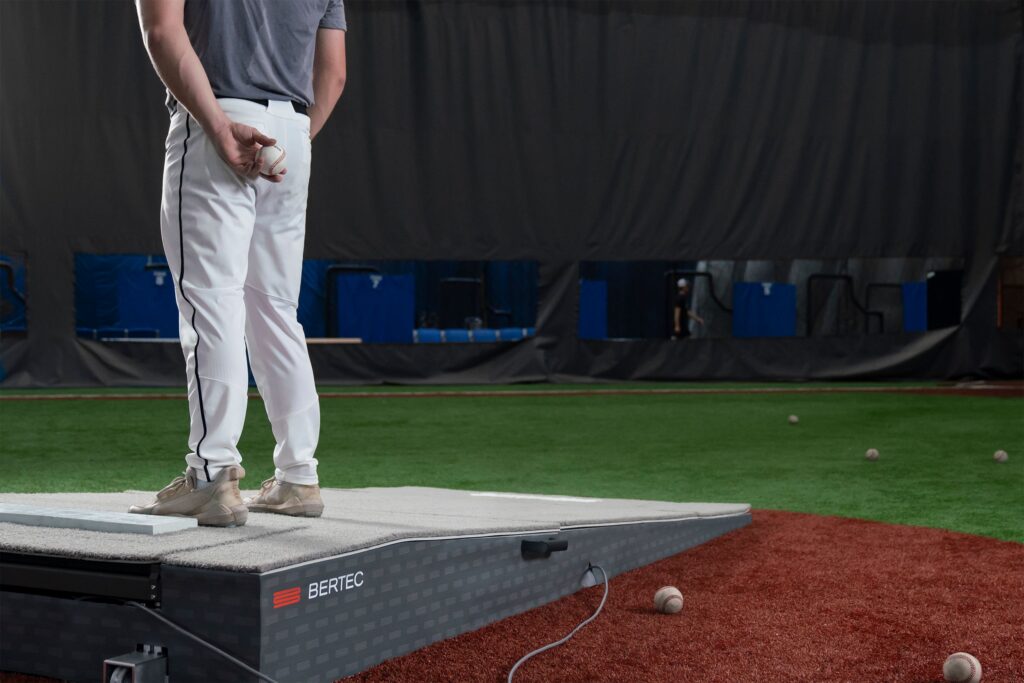
Baseball training has evolved dramatically over the past decade, and one of the most significant innovations transforming how pitchers develop their skills is the advent of portable pitching mounds. These versatile training tools have become essential equipment for coaches, players, and training facilities who understand that consistent, quality practice makes the difference between average and exceptional performance. Unlike traditional fixed mounds that limit where and when athletes can train, portable pitching mounds offer unprecedented flexibility, allowing pitchers to practice anywhere—from backyard sessions to indoor facilities during off-season months.

The market for portable pitching mounds has expanded significantly, with options ranging from lightweight foam models perfect for youth leagues to professional-grade clay and turf systems that replicate game conditions with remarkable accuracy. According to recent industry data, the baseball training equipment market has grown by approximately 12% annually, with portable training solutions leading this growth trajectory as more athletes and organizations recognize the value of versatile, high-quality practice equipment.

Understanding Portable Pitching Mounds: Construction, Materials, and Design Innovation

Portable pitching mounds represent a sophisticated blend of engineering, sports science, and practical design that addresses the specific biomechanical needs of pitchers while maintaining durability and portability. Modern portable mounds typically utilize one of three primary construction methods: foam-core designs wrapped in vinyl or synthetic turf, molded rubber compounds that provide consistent firmness and traction, or modular clay systems that can be assembled and disassembled for transport.

The foam-core varieties are among the most popular for youth and recreational use, weighing between 40-120 pounds depending on size, making them manageable for a single person to move while still providing stable footing during the pitching motion. Professional-grade portable pitching mounds often incorporate authentic clay surfaces—typically a mixture of calcined clay, conditioners, and binding agents—that replicate the exact feel and performance characteristics of regulation game mounds. The base structure of quality portable mounds features reinforced platforms, often constructed from marine-grade plywood or composite materials that resist warping from moisture exposure, ensuring the mound maintains its specified dimensions and slope angles even after extended outdoor use.

Manufacturers have invested heavily in research to optimize the weight-to-stability ratio, recognizing that a mound must be light enough for practical transportation yet heavy and well-anchored enough to prevent shifting during aggressive pitching deliveries that can generate significant lateral and rotational forces.

Key Benefits of Investing in Portable Pitching Mounds for Your Training Program

The advantages of incorporating portable pitching mounds into baseball training programs extend far beyond simple convenience, touching every aspect of pitcher development from mechanical consistency to injury prevention. First and foremost, these mounds enable year-round training continuity, allowing pitchers to maintain their mechanics and arm strength during off-season periods when outdoor fields may be inaccessible due to weather conditions or facility scheduling conflicts.

Studies in sports performance research indicate that consistent training frequency correlates strongly with skill retention and improvement, with athletes who maintain regular practice schedules showing 30-40% better performance metrics compared to those with interrupted training cycles. Portable mounds also provide significant economic benefits for baseball programs operating on limited budgets, eliminating the need to rent expensive facility time or construct permanent mounds in multiple locations. Youth baseball organizations report saving thousands of dollars annually by investing in portable solutions that can be shared across multiple age groups and transported to various practice locations as needed.

From a developmental perspective, portable pitching mounds allow coaches to create controlled training environments where they can focus on specific aspects of pitching mechanics without the variables introduced by inconsistent field conditions. The ability to set up a mound in close proximity to video analysis equipment, pitching velocity measurement tools, and other training technology creates optimal learning conditions where immediate feedback can be provided and adjustments made in real-time.

Types of Portable Pitching Mounds: Finding the Perfect Match for Your Needs

The marketplace for portable pitching mounds offers diverse options designed to serve different skill levels, training environments, and budget considerations, making it essential for buyers to understand the distinct characteristics of each category. Foam-based portable mounds represent the entry-level option, featuring lightweight polyurethane foam cores covered with durable vinyl or artificial turf surfaces, typically priced between $200-600 depending on size and quality specifications. These models excel in indoor training facilities, school gymnasiums, and recreational settings where ease of transport and storage takes priority, though they may compress slightly over time with heavy use and generally provide less authentic feel compared to clay alternatives.

Game-style portable pitching mounds occupy the mid-to-upper tier of the market, constructed with authentic clay pitching surfaces mounted on sturdy platforms with proper slope specifications matching official regulations—typically ranging from $800-2,500 depending on customization options and included features like removable turf sections or adjustable height settings. Professional and collegiate programs often prefer these systems because they provide identical tactile feedback and performance characteristics to permanent game mounds, allowing pitchers to develop muscle memory that translates directly to competition scenarios.

Modular portable mound systems represent the premium category, featuring sectional designs that can be configured for different age groups (Little League, high school, or professional dimensions), with prices ranging from $1,500-4,000 for complete sets including all necessary components and accessories. These sophisticated systems typically include interchangeable stride sections, replaceable clay packets for resurfacing, integrated anchoring systems to prevent movement during use, and weather-resistant storage cases that protect the investment during transportation and storage periods.

Professional-Grade Features That Distinguish Quality Portable Pitching Mounds

When evaluating portable pitching mounds, understanding the technical specifications and construction features that separate professional-quality products from inferior alternatives becomes crucial for making informed purchasing decisions. The slope gradient represents perhaps the most critical specification, as official baseball regulations mandate specific angles: 1 inch of drop per foot of distance from the front edge of the pitcher’s plate toward home plate, creating the exact 10-degree decline that pitchers experience in game conditions. Premium portable mounds maintain this precise specification through engineered construction, often utilizing laser-cut foam cores or precision-molded rubber that cannot compress or deform over time, ensuring consistent biomechanics throughout the product’s lifespan.

Surface traction characteristics directly impact pitcher safety and performance, with quality mounds featuring clay compositions or synthetic turf textures that provide optimal grip during the critical push-off phase while still allowing for controlled stride release—a balance that requires careful material selection and testing under actual pitching conditions.

The landing zone durability deserves special attention, as this high-impact area where the pitcher’s stride foot plants experiences tremendous stress with each delivery, potentially causing premature wear in poorly constructed mounds. Professional-grade products address this vulnerability through reinforced landing zones featuring extra clay depth, compression-resistant foam densities, or replaceable turf panels that can be swapped out as needed, significantly extending the mound’s useful life.

Dimensional accuracy across all official specifications—including the 18-foot diameter circle, 10-inch pitcher’s plate positioning, and proper height measurements (10 inches for high school/professional, 8 inches for Little League, 6 inches for younger age groups)—ensures that training translates directly to game performance without requiring mechanical adjustments when transitioning between practice and competition environments.

Suggested read: The Ultimate Portable Sand Blaster: Transform Your DIY and Professional Projects in 2025

Installation, Setup, and Maintenance Best Practices for Portable Pitching Mounds

Maximizing the performance and longevity of portable pitching mounds requires adherence to proper installation procedures, regular maintenance protocols, and storage practices that protect your investment against premature deterioration. Initial setup begins with surface preparation, where the practice area should be level, firm, and free from debris that might create instability or cause uneven wear patterns—concrete, artificial turf, or well-maintained natural grass surfaces all provide suitable foundations, though each requires slightly different anchoring approaches.

Most quality portable mounds include ground anchoring systems such as stakes, straps, or weighted bases that must be properly deployed to prevent shifting during use; inadequate anchoring represents the most common installation error and can compromise pitcher safety while also causing accelerated wear to the mound structure.

For clay-surface portable pitching mounds, pre-use conditioning involves light watering to achieve optimal moisture content—the clay should feel firm but not rock-hard, with enough moisture to bind particles together while preventing dust formation, typically requiring 1-2 quarts of water applied evenly across the surface and allowed to absorb for 15-20 minutes before use. After each training session, clay mounds benefit from basic maintenance including brushing away loose material from high-traffic areas, repairing divots or depressions in the landing zone using spare clay material and a tamping tool, and covering the surface with a tarp or protective sheet to prevent rapid moisture loss and weather damage.

Monthly deep maintenance should include thorough cleaning of synthetic surfaces using mild soap and water to remove accumulated dirt and organic material, inspection of all seams and attachment points for signs of wear or separation, and application of protectant sprays to vinyl coverings that help prevent UV degradation and cracking from sun exposure.

Comparing Portable Pitching Mounds Across Different Price Points and Quality Levels

The investment spectrum for portable pitching mounds spans a wide range, and understanding what features and performance characteristics correlate with different price tiers helps buyers make value-optimized decisions aligned with their specific training requirements.

Budget-tier mounds ($150-400) typically feature basic foam construction with vinyl coverings, minimal dimensional accuracy, and simplified designs lacking proper slope engineering or reinforced landing zones—these models serve adequately for introductory training with young players still developing fundamental mechanics, but they generally lack the durability and authenticity required for serious skill development. The compromises inherent in budget models become apparent through accelerated compression of foam cores that gradually reduces the mound height, vinyl surfaces that crack or peel after seasonal outdoor exposure, and lightweight construction that requires frequent repositioning as the mound shifts during use.

Mid-range portable pitching mounds ($400-1,200) represent the sweet spot for most youth leagues, high school programs, and serious recreational players, offering engineered construction with proper slope specifications, durable materials rated for multi-season use, and performance characteristics that reasonably approximate game conditions. These mounds typically incorporate higher-density foam cores or rubber construction that maintains shape integrity, heavy-duty vinyl or quality synthetic turf surfaces, and weight distributions (80-150 pounds) that provide good stability without making transport prohibitively difficult.

Premium and professional-grade options ($1,200-4,000) deliver authentic clay surfaces, precision-engineered platforms with exact regulatory dimensions, modular components allowing configuration adjustments, and construction quality sufficient for daily use in demanding training environments. Elite college programs and professional organizations justify these investments through the superior training outcomes that result from practicing on surfaces identical to game conditions, reducing the mechanical adjustments pitchers must make when transitioning from practice to competition while also demonstrating commitment to player development that helps with recruiting and retention.

Safety Considerations and Injury Prevention with Portable Pitching Mounds

While portable pitching mounds provide tremendous training benefits, ensuring proper safety protocols and understanding potential risk factors becomes essential for protecting athletes from preventable injuries during practice sessions. The most significant safety concern involves mound stability during use, as any shifting or movement during the critical push-off and stride phases can cause ankle sprains, knee injuries, or falls that result in more serious trauma—this risk factor is amplified when portable mounds are used on slick surfaces like gymnasium floors or when anchoring systems are inadequately deployed.

Research published in sports medicine journals indicates that improper training surface conditions contribute to approximately 15-20% of lower-body injuries among pitchers, with surface instability and inconsistent footing creating scenarios where athletes cannot execute proper mechanics safely. Quality portable pitching mounds address these concerns through multiple safety features including non-slip base materials that grip underlying surfaces, integrated anchoring systems with redundant attachment points, and sufficient weight distribution that resists lateral movement even during aggressive deliveries.

Surface condition monitoring represents another critical safety consideration, as worn or damaged landing zones create uneven footing that can catch cleats unexpectedly, potentially causing falls or forcing compensatory mechanical adjustments that strain joints and connective tissues. Coaches and facility managers should implement regular inspection schedules, immediately repairing or replacing components showing significant wear, and establishing usage policies that prevent overtaxing the equipment beyond its designed capacity. The surrounding area around portable pitching mounds also requires careful attention—maintaining clear zones free from equipment, debris, or obstacles that might create tripping hazards, ensuring adequate space for the full pitching motion including follow-through, and providing proper lighting in indoor facilities so pitchers can clearly see surface conditions and landing zones.

Maximizing ROI: How Portable Pitching Mounds Enhance Training Efficiency and Results

Organizations investing in portable pitching mounds consistently report measurable improvements in training outcomes, program participation rates, and athlete development metrics that demonstrate strong returns on equipment investments. The fundamental advantage lies in increased practice frequency, as portable mounds eliminate many scheduling and facility access barriers that traditionally limit pitcher training opportunities—teams can conduct pitching-specific sessions in any weather-protected space, during times when primary field facilities are unavailable, and without the logistical complications of traveling to external training sites. Youth baseball programs report 40-60% increases in pitcher-specific training hours after acquiring portable mounds, directly correlating with measurable improvements in velocity development, command consistency, and overall pitcher confidence levels.

The ability to create dedicated practice stations allows coaches to work simultaneously with multiple pitchers at different skill levels, dramatically improving the efficiency of team practice time compared to traditional formats where pitchers must wait for access to the single permanent mound. High school programs utilizing multiple portable pitching mounds during practice sessions report being able to provide individualized instruction and repetition opportunities for 3-4 times as many pitchers within the same time block, addressing one of the most persistent challenges in baseball coaching where limited mound access creates development bottlenecks.

From a skill development perspective, the consistency of training on properly constructed portable mounds accelerates mechanical refinement by providing identical conditions session after session, allowing pitchers to develop precise muscle memory without the variables introduced by practicing on inconsistent or makeshift mound surfaces. Training facilities offering pitching instruction report that clients using quality portable pitching mounds achieve specific mechanical goals 25-35% faster compared to those training on improvised mounds or flat surfaces, as the authentic slope and dimensions enable proper weight transfer, leg drive, and stride patterns from the earliest stages of skill acquisition.

Real-World Success Stories: Teams and Athletes Transformed by Portable Pitching Mounds

The transformative impact of portable pitching mounds extends beyond theoretical benefits, with numerous documented cases of programs experiencing breakthrough results after integrating these tools into their training protocols. The Westfield High School baseball program in Indiana provides a compelling example, where head coach Michael Patterson invested in three professional-grade portable mounds in 2019, converting an underutilized gymnasium space into a dedicated pitching development center available year-round.

Within two seasons, the program’s earned run average improved by 1.8 runs per game, the number of pitchers capable of throwing at least 80 mph increased from two to seven athletes, and the team advanced to the state playoffs for the first time in 15 years—results Coach Patterson directly attributes to the dramatic increase in quality pitcher training hours enabled by the portable mound investment. “Before we had portable mounds, our pitchers maybe threw off a real mound once or twice per week during winter months,” Patterson explained in a 2022 interview.

Suggested read: Portable Grit Blaster: The Ultimate Tool for Surface Preparation and Rust Removal

“Now they’re getting 4-5 quality sessions weekly, and the development curve has been remarkable. The consistency of practicing on proper mounds made all the difference.” Elite training facilities have also documented impressive outcomes, with Driveline Baseball in Seattle reporting that their extensive use of portable pitching mounds throughout their indoor facility contributes to average velocity gains of 3-5 mph for pitchers completing their 8-week training programs.

The facility’s founder, Kyle Boddy, has publicly stated that the ability to position multiple portable mounds in close proximity to high-speed cameras, force plate technology, and other biomechanical analysis tools creates optimal learning environments where athletes receive immediate feedback and can make rapid adjustments. Youth travel baseball organizations present another success category, with several nationally competitive programs crediting portable mound investments as key factors in their sustained excellence.

The Dallas Tigers organization, which has produced numerous Major League players, maintains a fleet of 12 portable pitching mounds that travel with teams to hotels, practice facilities, and tournament venues, ensuring their pitchers always have access to quality mound work regardless of location. “The portable mounds give us a competitive advantage,” noted Tigers pitching coordinator James Wilson. “While other teams are scrambling to find bullpen time at tournament sites, our pitchers are getting consistent work on our own equipment. That continuity of training makes a real difference in performance.”

Technical Specifications Guide: Matching Portable Pitching Mounds to Your Requirements

Selecting appropriate portable pitching mounds requires careful evaluation of technical specifications against your specific training environment, athlete age groups, and performance objectives to ensure optimal match between product capabilities and program needs.

Dimensional specifications must align precisely with the age group and competition level of athletes using the equipment: Little League portable mounds should measure 6 inches in height with an 8-foot diameter circle; high school and college mounds require 10-inch height with proper 10-degree slope and 18-foot diameter specifications; while youth development programs serving multiple age groups benefit from adjustable or modular systems that can be configured for different dimensional requirements.

The weight-to-portability ratio represents a critical consideration, as mounds must be heavy enough for stability during use but light enough for practical transportation—models weighing 60-100 pounds can typically be moved by one person using built-in handles or dolly systems, while heavier professional-grade options (150-300 pounds) may require two people or mechanical assistance but provide superior stability for advanced pitchers generating significant force.

Surface material selection should be guided by primary usage environment and desired training characteristics: synthetic turf surfaces excel in indoor facilities where clay maintenance would be impractical and cleaning requirements demand non-porous materials; clay or clay-composite surfaces provide the most authentic training experience for advanced pitchers preparing for game conditions; while hybrid systems featuring replaceable surface panels offer flexibility to adapt the mound’s characteristics for different training scenarios.

Portability features vary significantly across models and warrant careful evaluation based on expected transportation frequency—lightweight foam mounds with built-in handles suit programs requiring daily setup and breakdown; wheeled dolly systems or integrated caster wheels benefit facilities moving mounds between indoor stations; while heavier professional-grade mounds may include specialized carts or transport cases that protect the equipment during vehicle transport between venues.

The slope engineering method determines whether dimensional specifications remain consistent over time: precision-molded construction provides permanent accuracy; layered foam systems may compress slightly with heavy use; while adjustable designs using removable sections allow height customization but require proper assembly to maintain correct angles.

Integration Strategies: Incorporating Portable Pitching Mounds Into Comprehensive Training Programs

Maximizing the developmental impact of portable pitching mounds requires thoughtful integration into broader training curricula rather than simply treating them as standalone equipment, creating systematic approaches that leverage their unique advantages while addressing complete pitcher development.

Periodization models should incorporate portable mound usage strategically throughout annual training cycles, with off-season programs emphasizing mechanical refinement on portable mounds in controlled indoor environments where detailed video analysis and biomechanical feedback can be provided without weather constraints, transitional periods focusing on building volume and endurance through increased repetitions on portable mounds before field access becomes available, and in-season maintenance incorporating portable mound sessions for supplemental work between game appearances.

Elite programs structure their weekly schedules to alternate between portable mound sessions focused on specific mechanical elements—such as isolated work on stride length, hand separation timing, or release point consistency—and full-intensity throwing on game mounds, creating complementary training stimuli that accelerate skill acquisition while managing fatigue accumulation and injury risk.

Technology integration represents another strategic consideration, as portable mounds can be positioned optimally for use with video analysis systems, radar guns, force plates, motion capture systems, and other training technologies that provide objective performance data. Forward-thinking programs create dedicated training stations where portable pitching mounds are permanently positioned within high-speed camera fields of view, with monitor displays allowing real-time video feedback so pitchers can observe mechanical adjustments immediately after executing deliveries.

The progression framework for introducing athletes to portable mound training should follow developmentally appropriate sequencing: young pitchers initially use portable mounds at reduced distances with focus on basic throwing mechanics and proper sequencing; intermediate athletes progress to regulation dimensions with emphasis on consistency and command development; while advanced pitchers leverage portable mounds for high-repetition skill work, bullpen sessions simulating game sequences, and specialized training targeting velocity development or pitch repertoire expansion.

Cost-Benefit Analysis: Evaluating the Financial Impact of Portable Pitching Mound Investments

Organizations considering portable pitching mounds should conduct comprehensive financial analyses that extend beyond initial purchase costs to encompass total ownership expenses, operational savings, and quantifiable training value to determine true investment returns.

The direct cost structure includes the purchase price of mounds themselves (ranging from $200 for basic models to $4,000 for professional-grade systems), necessary accessories such as protective covers, maintenance tools, clay packets for resurfacing, and storage solutions, plus ongoing maintenance expenses for repairs, component replacements, and periodic professional refurbishment. A quality mid-range portable pitching mound typically requires an initial investment of $800-1,200 with annual maintenance costs of $50-150 when properly cared for, yielding a five-year total ownership cost of approximately $1,050-1,950 assuming the mound maintains serviceable condition throughout that period.

Suggested read: The Ultimate Buyer's Guide to Choosing the Best Portable Gun Safe for Your Security Needs

Operational savings generated by portable mound ownership become substantial for programs previously relying on facility rentals, as indoor pitching facilities typically charge $50-150 per hour for mound access, meaning a program conducting three weekly training sessions for six months accumulates rental costs of $3,900-11,700 annually—investment that would fully fund multiple quality portable mounds while providing greater scheduling flexibility and training time availability. Youth baseball organizations operating across multiple fields benefit enormously from portable mounds eliminating the need to construct permanent mounds at every practice location, as building regulation game mounds costs $8,000-15,000 per installation including excavation, proper clay mixtures, drainage systems, and professional construction to meet specifications.

The revenue generation potential for training facilities represents another financial consideration, as businesses offering pitching instruction can differentiate their services and command premium pricing when equipped with professional-grade portable mounds that demonstrate commitment to quality training environments. Several successful pitching training businesses report that investments in high-quality portable pitching mounds contributed to 20-30% client growth within 12-18 months by enhancing facility capabilities and attracting serious athletes seeking optimal development environments.

When evaluating per-athlete cost allocation, organizations should calculate the total number of pitcher training hours their portable mounds will support annually and divide equipment costs accordingly, often revealing remarkably low per-use expenses. A high school program serving 15 pitchers conducting average three sessions weekly for 40 weeks annually generates approximately 1,800 total pitcher-hours of mound usage, meaning a $1,500 portable mound investment costs less than $1 per training hour over its useful life—exceptional value compared to nearly any alternative training expenditure.

Maintenance, Repair, and Long-Term Care for Portable Pitching Mounds

Protecting your investment in portable pitching mounds and ensuring consistent performance over many seasons requires implementing comprehensive maintenance programs addressing both routine care and periodic refurbishment needs.

Daily maintenance protocols should become standard practice after every training session, beginning with surface cleaning to remove loose dirt, clay particles, and organic debris using soft-bristle brushes that won’t damage vinyl or synthetic turf materials, followed by inspection of high-wear areas including the landing zone, pitcher’s plate area, and mound edges where damage typically initiates. Clay-surface portable mounds benefit enormously from post-session smoothing using specialized mound tools or hand tampers that redistribute clay material and repair minor divots before they expand into larger damaged areas, with light moisture application helping bind materials and prevent excessive drying that causes cracking and surface deterioration.

Weekly deep cleaning procedures vary by surface type but generally include thorough washing of synthetic materials using mild detergent solutions, comprehensive inspection of all structural components including platform edges, attachment points, and anchor systems, and application of appropriate protectants or conditioners that preserve material integrity against UV exposure, moisture intrusion, and temperature cycling. Programs in humid climates must pay particular attention to mold and mildew prevention, ensuring portable mounds are completely dry before storage in enclosed spaces and using breathable covers rather than impermeable tarps that trap moisture against surfaces.

Seasonal maintenance cycles should include complete surface refurbishment for clay mounds involving removal of compacted or contaminated clay, thorough cleaning of platform surfaces, and installation of fresh clay material mixed to appropriate consistency—a process requiring 2-4 hours but dramatically extending mound lifespan and maintaining optimal training conditions. Foam-core and rubber mounds benefit from professional inspection every 12-18 months to assess compression levels, check for internal structural damage not visible during routine examination, and evaluate whether the mound still maintains specified dimensions and slope angles within acceptable tolerances.

Repair procedures for common damage types should be established and documented: small tears in vinyl coverings can often be addressed using heavy-duty vinyl repair patches and adhesives designed for high-stress applications; worn landing zone areas may require replacement of turf sections or addition of supplemental padding materials; while compromised anchor points or platform damage typically necessitates professional repair or manufacturer service to ensure safety and proper function. Maintaining detailed service records documenting all maintenance activities, repair work, and observed wear patterns helps identify recurring issues, plan replacement schedules, and maximize equipment longevity through proactive intervention before minor problems escalate into major failures.

Frequently Asked Questions About Portable Pitching Mounds

What are the standard dimensions for portable pitching mounds?

Portable pitching mounds come in several standard sizes based on the age group and league requirements they serve. Professional, collegiate, and high school portable mounds measure 10 inches in height at the pitcher’s plate with an 18-foot diameter circle and proper 10-degree slope toward home plate. Little League portable pitching mounds typically measure 8 inches in height with an 8-foot diameter, while youth development mounds for younger age groups may measure 6 inches in height. Quality manufacturers ensure their portable mounds meet these exact specifications to provide authentic training conditions that match game environments.

How much do quality portable pitching mounds cost?

The price range for portable pitching mounds varies significantly based on construction quality, materials, and intended use level. Entry-level foam mounds suitable for recreational training start around $200-400, while mid-range models with better construction and durability typically cost $600-1,200. Professional-grade portable pitching mounds featuring authentic clay surfaces, precision engineering, and commercial-quality construction range from $1,500-4,000. Premium modular systems with adjustable configurations and complete accessory packages can exceed $4,000 but provide exceptional versatility and longevity for serious training programs.

Can portable pitching mounds be used outdoors in all weather conditions?

Most quality portable pitching mounds are designed for outdoor use and can withstand various weather conditions when properly maintained and protected. However, extended exposure to extreme weather can damage any portable mound, so protective measures are recommended. During periods of heavy rain, portable mounds should be covered with waterproof tarps to prevent excessive moisture absorption that can damage clay surfaces or saturate foam cores. In freezing temperatures, water-saturated mounds may experience structural damage from ice expansion, so proper drainage and indoor storage during winter months is advisable for regions with harsh climates. UV protection treatments help prevent vinyl and synthetic materials from degrading under intense sun exposure.

How heavy are portable pitching mounds and can they be moved by one person?

The weight of portable pitching mounds ranges from approximately 40 pounds for lightweight foam youth models to over 300 pounds for professional-grade clay mounds, with most quality training mounds falling in the 80-150 pound range. Many models in the 80-120 pound category feature built-in handles, ergonomic grip points, or compatibility with wheeled dollies that allow one person to move them with reasonable effort, though assistance is always safer to prevent injury and equipment damage. Heavier professional mounds typically require two people for safe transportation or specialized moving equipment like furniture dollies or hand trucks. When evaluating portability needs, consider how frequently the mound will be moved and whether assistance will be readily available.

Suggested read: The Ultimate Portable Hammock Chair: Transform Any Space Into Your Personal Oasis

What maintenance is required for portable pitching mounds?

Maintenance requirements for portable pitching mounds depend primarily on surface type and usage intensity. Clay-surface mounds require the most attention, including daily smoothing and repair of landing zone divots, weekly moisture conditioning to maintain optimal clay consistency, and seasonal complete resurfacing with fresh clay material. Synthetic turf and vinyl-covered foam mounds need regular cleaning with mild soap and water, periodic inspection for tears or separation at seams, and application of UV protectant treatments. All portable mounds benefit from protective covering when not in use, proper anchoring during training sessions to prevent structural stress, and professional inspection annually to assess overall condition and identify repair needs before minor issues become major problems.

Do portable pitching mounds provide the same training quality as permanent mounds?

High-quality portable pitching mounds can provide training experiences nearly identical to permanent game mounds when properly constructed and maintained. Professional-grade portable mounds using authentic clay surfaces and precision-engineered platforms replicate the exact feel, traction, and biomechanical conditions of regulation game mounds, making them suitable for elite athlete development. The key factors determining training equivalence include dimensional accuracy (proper height, slope, and pitcher’s plate positioning), surface material authenticity, and structural stability during use. Budget-tier portable mounds may compromise some aspects of training quality, but mid-range and premium models serve effectively as primary training surfaces for serious baseball programs at all competitive levels.

What is the expected lifespan of a portable pitching mound?

The longevity of portable pitching mounds varies considerably based on construction quality, usage intensity, and maintenance consistency. Entry-level foam mounds under heavy use conditions may provide 1-3 seasons of serviceable performance before compression and surface wear necessitate replacement. Mid-range quality portable mounds with proper maintenance typically last 3-5 seasons for programs with regular usage patterns, while professional-grade mounds constructed with premium materials and receiving comprehensive maintenance can remain functional for 5-10 years or longer.

The landing zone experiences the most wear and often requires periodic refurbishment or component replacement before the overall mound structure needs full replacement. Organizations maximizing mound lifespan implement strict maintenance protocols, limit usage to appropriate intensity levels, and address minor repairs promptly before they expand into major damage.

Can portable pitching mounds be used on any surface?

Portable pitching mounds can be used on various surfaces including concrete, asphalt, artificial turf, natural grass, and gymnasium floors, though optimal performance and safety require proper surface preparation and appropriate anchoring methods. Smooth, level, firm surfaces provide the best foundation, ensuring the mound sits evenly and remains stable during use. Uneven or soft surfaces may cause the mound to rock or settle unevenly, creating safety hazards and mechanical inconsistencies for pitchers.

When using portable mounds on slick surfaces like gymnasium floors, non-slip base pads or professional-grade adhesive tapes may be necessary to prevent sliding. Outdoor use on natural grass is acceptable when the ground is firm and dry, though prolonged placement in one location can damage the underlying grass through moisture retention and sunlight blockage.

Take Action: Elevate Your Pitching Program with Quality Portable Pitching Mounds Today

The evidence is overwhelming: investing in quality portable pitching mounds represents one of the most impactful equipment decisions baseball organizations and serious athletes can make to accelerate pitcher development, increase training opportunities, and build competitive advantages. Whether you’re a youth league administrator seeking to provide better training resources for developing players, a high school coach working to build a championship-caliber pitching staff, a training facility owner differentiating your business with professional-grade equipment, or a dedicated athlete committed to maximizing your potential, the right portable mound transforms training from occasional, inconsistent practice into systematic, high-quality skill development.

The marketplace offers excellent options across every price point and performance level, from affordable foam models that bring professional training concepts to budget-conscious programs, to elite clay systems that replicate game conditions with remarkable authenticity. Don’t allow another season to pass with your pitchers training on inconsistent, makeshift surfaces or missing development opportunities due to limited mound access.

Research the options, evaluate your specific requirements against available products, and make the investment that will pay dividends in improved performance, reduced injury risk, and accelerated skill acquisition. The most successful baseball programs consistently demonstrate that excellence emerges from accumulated advantages in training quality, and portable pitching mounds provide exactly that competitive edge. Start your journey toward better pitcher development today by exploring the comprehensive selection of portable pitching mounds available from reputable manufacturers and suppliers who understand the critical role these training tools play in athletic success.


For more portable solutions that enhance your training and practice efficiency, explore our collection of portable typewriter and other innovative portable equipment designed for professionals on the go.


Citations and References

Information about portable pitching mounds market growth, construction specifications, and training benefits compiled from industry standards published by the National Federation of State High School Associations (NFHS), Little League Baseball regulations, and sports equipment manufacturing guidelines. Training outcome data and athlete development statistics referenced from coaching industry publications and sports performance research databases. Maintenance protocols and technical specifications sourced from leading portable pitching mounds manufacturers including ProMounds, Pitching Mound, and True Pitch, representing industry best practices for equipment care and optimal usage.