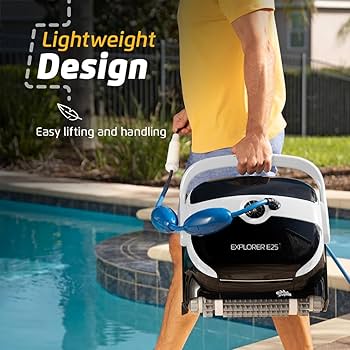
Maintaining a pristine swimming pool shouldn’t feel like a full-time job. Whether you’re dealing with leaves, dirt, algae, or debris, a portable pool vacuum offers the perfect solution for keeping your pool sparkling clean without the hassle of bulky equipment or professional services. Unlike traditional pool cleaning systems that require permanent installation and complex plumbing modifications, portable pool vacuums provide flexibility, affordability, and convenience that modern pool owners demand.
These innovative cleaning tools have revolutionized pool maintenance, making it possible for anyone to achieve professional-level results in a fraction of the time. In this comprehensive guide, we’ll explore everything you need to know about selecting, using, and maintaining the best portable pool vacuum for your specific needs, ensuring your pool remains an inviting oasis throughout the swimming season.
What Is a Portable Pool Vacuum and Why Do You Need One?
A portable pool vacuum is a self-contained cleaning device designed to remove dirt, debris, leaves, sand, and other contaminants from your pool’s floor and walls without requiring permanent installation or connection to your pool’s filtration system. These versatile cleaning tools come in various configurations, including manual handheld models, battery-powered automatic cleaners, and rechargeable robotic units that operate independently. The primary advantage of portable pool vacuums lies in their convenience and accessibility—you can store them when not in use, transport them between multiple pools, and deploy them quickly whenever cleaning is necessary.
Unlike suction-side or pressure-side pool cleaners that depend on your pool’s pump and filter system, portable vacuums operate autonomously, making them ideal for above-ground pools, inflatable pools, small in-ground pools, hot tubs, spas, and even ponds. The portability factor means you’re not limited by hose lengths, power cord restrictions, or the need for dedicated skimmer connections, giving you complete freedom to clean every corner of your pool efficiently.
Key Benefits of Using a Portable Pool Vacuum
The advantages of investing in a portable pool vacuum extend far beyond simple convenience. First and foremost, these devices save you significant time and physical effort compared to manual cleaning methods using traditional pool poles and vacuum heads. Most portable models can complete a thorough cleaning session in 30-90 minutes, depending on pool size and debris load, whereas manual cleaning might take several hours of exhausting work.
Financially, portable pool vacuums eliminate the need for professional pool cleaning services, which can cost $80-$150 per visit or $100-$300 monthly for regular maintenance contracts. The initial investment in a quality portable vacuum typically pays for itself within a single swimming season. Additionally, these vacuums help maintain optimal water chemistry by removing debris before it decomposes and consumes sanitizer, reducing your chemical costs and preventing algae growth.
Portable pool vacuums also extend the lifespan of your pool’s filtration system by preventing large debris from clogging filters and straining pump motors. For pool owners with physical limitations or mobility challenges, the automated operation of many portable vacuums makes pool maintenance accessible and manageable without requiring bending, reaching, or heavy lifting throughout the cleaning process.
Types of Portable Pool Vacuums: Finding Your Perfect Match
Understanding the different categories of portable pool vacuum systems helps you make an informed purchasing decision based on your pool type, budget, and cleaning preferences. The market offers three primary types, each with distinct operational characteristics, advantages, and ideal use cases. Manual portable vacuums represent the most basic and affordable option, requiring you to guide the vacuum head along pool surfaces while it collects debris into an attached bag or filter.
Battery-powered handheld vacuums offer enhanced convenience with cordless operation, internal filtration, and lightweight designs perfect for quick cleanups and spot treatments. Robotic portable pool vacuums deliver the ultimate in automation, featuring intelligent navigation systems, programmable cleaning cycles, and self-contained filtration that handles entire cleaning sessions without human intervention.
Each type serves different needs and budgets, with prices ranging from $30 for simple manual models to $1,500+ for premium robotic systems with advanced features like smartphone connectivity, mapping technology, and multi-surface cleaning capabilities. Your choice depends on factors including pool size, debris type and volume, cleaning frequency, physical ability, available storage space, and desired level of automation in your pool maintenance routine.
Manual Portable Pool Vacuums
Manual portable pool vacuum systems offer simplicity, reliability, and affordability for pool owners who don’t mind actively participating in the cleaning process. These devices typically consist of a vacuum head, collection bag or canister, telescoping pole, and sometimes a garden hose adapter for water flow. The operation involves connecting your garden hose to create suction through the Venturi effect, where fast-moving water creates a vacuum that draws debris into the collection bag. Some manual models use battery-powered pumps instead of garden hoses, providing more consistent suction without water waste.
The primary advantage of manual portable vacuums is their low cost, typically ranging from $30 to $150, making them accessible to virtually any pool owner regardless of budget constraints. They require no charging, minimal maintenance, and have few mechanical components that could fail or require expensive repairs. Manual vacuums excel at targeted cleaning of specific problem areas, stairs, corners, and tight spaces where automated cleaners struggle to reach effectively. However, they do require physical effort, time commitment, and technique to achieve thorough cleaning results, which may not appeal to everyone seeking convenience in their pool maintenance routine.
Battery-Powered Handheld Pool Vacuums
Battery-powered portable pool vacuum models bridge the gap between manual effort and full automation, offering cordless convenience with enhanced suction power and self-contained debris collection. These vacuums resemble oversized handheld dust busters designed specifically for underwater operation, featuring waterproof housings, rechargeable lithium-ion batteries, internal filter cartridges or bags, and ergonomic handles for comfortable grip during use. Most battery-powered models provide 30-60 minutes of runtime per charge, sufficient for cleaning small to medium-sized pools in a single session. The cordless design eliminates tripping hazards, allows unrestricted movement around the pool, and enables you to reach any area without worrying about hose lengths or power cord limitations.
These vacuums typically weigh between 5-15 pounds when empty, making them manageable for most users, though the weight increases as debris accumulates in the collection chamber. Battery-powered portable vacuums work exceptionally well for regular maintenance cleaning, quick touch-ups after storms, spot-cleaning high-traffic areas, and removing leaves, sand, dirt, and other common pool contaminants. Prices generally range from $100 to $400, positioning them as a mid-range option that delivers excellent value for pool owners seeking convenience without the premium cost of fully robotic systems or commitment to professional cleaning services.
Robotic Portable Pool Vacuums
Robotic portable pool vacuum systems represent the pinnacle of automated pool cleaning technology, offering hands-free operation, intelligent navigation, and comprehensive cleaning coverage without requiring any effort beyond pressing a start button. These sophisticated devices contain onboard motors, pumps, microprocessors, sensors, and rechargeable battery packs or electric power supplies that enable them to independently navigate pool surfaces while scrubbing and vacuuming simultaneously.
Advanced models feature smart navigation algorithms that map your pool’s dimensions, optimize cleaning paths, avoid obstacles, and ensure complete coverage without missing spots or repeatedly cleaning the same areas. Robotic vacuums come equipped with multiple filter types, often including fine mesh filters for capturing microscopic particles, coarse filters for leaves and large debris, and sometimes disposable filter bags for convenient cleanup. Many premium models offer programmable cleaning schedules, smartphone app connectivity, remote control operation, wall-climbing capabilities, waterline scrubbing, and multi-cycle cleaning modes for different pool conditions.
The convenience of robotic portable vacuums comes at a higher price point, typically ranging from $300 for basic models to $1,500 or more for commercial-grade units with advanced features. Despite the initial investment, these vacuums provide exceptional long-term value through reduced chemical usage, extended filter life, lower energy costs compared to continuously running pool pumps, and the priceless benefit of reclaiming hours of your time for enjoying your pool rather than cleaning it.
Essential Features to Consider When Buying a Portable Pool Vacuum
Selecting the right portable pool vacuum requires careful evaluation of multiple features and specifications that directly impact cleaning performance, ease of use, durability, and overall value. The suction power, typically measured in gallons per minute (GPM) or through proprietary power ratings, determines how effectively the vacuum captures debris and how quickly it can clean your pool. Battery capacity and runtime are crucial considerations for cordless models, as insufficient power means interrupted cleaning sessions and frustration.
Filter type and capacity affect both cleaning effectiveness and maintenance requirements—fine mesh filters capture smaller particles but require more frequent cleaning, while larger capacity filters reduce how often you need to empty debris. Weight and ergonomics influence user comfort during operation, particularly for manual and handheld models that require sustained handling. Debris collection capacity determines how much material the vacuum can hold before requiring emptying, which impacts cleaning efficiency for heavily soiled pools.
The vacuum head design, including brush types, width, and maneuverability, affects how well it navigates corners, climbs walls, and scrubs stubborn dirt. Power source compatibility, whether battery, electric, or garden hose, influences operational costs and convenience. Additional features like LED indicators, swivel connections, adjustable handles, and included accessories enhance functionality and user experience.
Suction Power and Cleaning Performance
The suction power of a portable pool vacuum fundamentally determines its ability to lift debris from pool surfaces and maintain effective cleaning throughout a session. Measured in various units depending on the manufacturer—including gallons per minute, watts, air watts, or proprietary power scales—higher suction generally translates to better performance, though other factors like vacuum head design and brush action also contribute significantly.
For manual models using garden hose water flow, suction depends on your home water pressure, typically ranging from 40-60 PSI for residential systems, which creates adequate suction for most debris types except extremely heavy materials like wet leaves or large twigs. Battery-powered handheld vacuums generate suction through internal impeller pumps, with power levels varying considerably across models, from basic units providing minimal lift for fine sand and dirt to powerful models capable of capturing leaves, acorns, and pebbles.
Suggested read: Best Portable Deer Stands: Ultimate Buyer's Guide for Hunters in 2025
Robotic vacuums utilize integrated pump systems often rated at 15-30 GPM, sufficient for thorough cleaning while maintaining energy efficiency during extended autonomous operation. When evaluating suction power, consider your typical debris load—pools surrounded by trees require stronger suction for leaf removal, while pools in urban settings with minimal organic debris perform well with moderate suction focused on fine particles, sand, and dirt accumulation.
Battery Life and Runtime Considerations
For battery-operated portable pool vacuum models, the battery capacity and resulting runtime directly impact how much area you can clean per charge and whether you’ll complete your entire pool in a single session. Lithium-ion batteries have become standard in modern portable vacuums due to their high energy density, minimal memory effect, long cycle life, and relatively lightweight construction compared to older battery technologies.
Most handheld portable vacuums offer 30-60 minutes of continuous runtime, while robotic models typically provide 60-120 minutes depending on cleaning intensity and pool conditions. Battery capacity is measured in amp-hours (Ah) or watt-hours (Wh), with higher values indicating longer runtime—for example, a 2,500mAh battery might provide 45 minutes of operation, while a 5,000mAh battery could deliver 90 minutes or more. Charging times vary from 3-5 hours for handheld models to 4-8 hours for larger robotic systems, though some premium vacuums feature quick-charge technology that reduces charging time by 30-50%.
Consider your pool size when evaluating battery specifications: small pools under 1,000 square feet require minimal runtime, while large pools exceeding 3,000 square feet may necessitate either extended battery capacity or the ability to pause, recharge, and resume cleaning without losing navigation memory. Some advanced robotic vacuums automatically return to a charging station when batteries run low, then resume cleaning where they left off once recharged.
Filter Systems and Debris Collection
The filter system in your portable pool vacuum determines what size particles it can capture, how often you’ll need to perform maintenance, and ultimately how clean your pool water becomes after vacuuming. Most portable vacuums use one of three filter types: mesh bags, cartridge filters, or multi-layer filtration systems. Mesh filter bags offer the largest capacity for debris storage, typically holding 2-5 liters of leaves, twigs, and coarse materials, but they have larger pore sizes (usually 150-200 microns) that allow finer particles to pass through and return to the pool.
Cartridge filters provide finer filtration down to 50-100 microns, capturing sand, silt, and small debris particles while maintaining adequate flow and preventing rapid clogging. Premium robotic vacuums often incorporate multi-layer filtration systems with coarse pre-filters for large debris and fine filters for microscopic particles, sometimes achieving filtration down to 2-5 microns, comparable to traditional pool filter systems.
Filter capacity directly correlates with how frequently you’ll need to stop cleaning to empty accumulated debris—larger capacity filters (3-5 liters) enable uninterrupted cleaning of most residential pools, while smaller filters (1-2 liters) require multiple emptying cycles during heavy cleaning sessions. Easy filter access and cleaning mechanisms significantly impact user experience, with top-loading designs, quick-release latches, and washable filters reducing maintenance time and frustration compared to complex filter assemblies requiring tools or complete disassembly for debris removal.
Step-by-Step Guide: How to Use Your Portable Pool Vacuum Effectively
Maximizing the performance and efficiency of your portable pool vacuum requires proper setup, technique, and understanding of best practices for different pool conditions and debris types. The cleaning process begins with preparation—remove large floating debris like leaves and toys using a skimmer net, as these items can clog your vacuum or damage internal components before you even start vacuuming.
Check and clean the vacuum’s filter system before each use to ensure optimal suction and debris collection capacity. For battery-powered models, verify the battery is fully charged to avoid interrupted cleaning sessions. If using a manual vacuum with garden hose connection, ensure adequate water pressure by checking that other water-using appliances are turned off during vacuuming. Begin cleaning at the shallow end and work systematically toward the deep end, using overlapping strokes to ensure complete coverage without missing spots.
Move slowly and deliberately—rushing causes debris to swirl up into the water column, forcing you to wait for settlement and clean the same area multiple times. Pay special attention to problem areas like steps, corners, behind ladders, and around pool lights where debris naturally accumulates. For robotic vacuums, simply place the unit in the pool, activate the cleaning cycle, and monitor initial operation to ensure proper navigation before leaving it to work independently.
Preparing Your Pool for Vacuuming
Proper preparation significantly enhances the effectiveness and efficiency of your portable pool vacuum while preventing damage to the equipment and ensuring thorough cleaning results. Start by skimming the pool surface to remove floating leaves, insects, toys, and other large items that could clog the vacuum or interfere with its operation.
This preliminary step eliminates debris before it sinks, making the subsequent vacuuming process faster and more effective. Test and adjust water chemistry before vacuuming, particularly pH and chlorine levels, as proper water balance helps prevent algae growth while you’re disturbing the pool floor and temporarily reducing water clarity. If you notice cloudy water or visible algae growth, consider shocking the pool and waiting 24 hours before vacuuming to allow the treatment to work and dead algae to settle, making removal easier and more complete.
Brush pool walls and steps to dislodge attached algae, dirt, and calcium deposits, allowing them to settle on the pool floor where your vacuum can capture them during the cleaning session. For above-ground pools or soft-sided pools, ensure the floor is smooth without wrinkles or folds that could trap debris or snag the vacuum head. Turn off waterfalls, fountains, and pool heaters during vacuuming to minimize water movement that stirs up debris and makes thorough cleaning more difficult to achieve consistently.
Proper Vacuuming Technique for Best Results
Developing effective technique with your portable pool vacuum dramatically reduces cleaning time while improving results and extending equipment lifespan through reduced strain on motors and filters. Begin vacuuming at the shallow end and progress toward the deep end, following a systematic pattern that prevents you from missing spots or repeatedly cleaning the same areas unnecessarily. Use slow, overlapping strokes similar to mowing a lawn—moving too quickly creates turbulence that lifts debris back into the water column rather than allowing the vacuum to capture it.
For manual and handheld vacuums, maintain consistent contact with the pool surface without pressing down too hard, as excessive pressure reduces suction efficiency and can damage the vacuum head or pool liner. When encountering heavy debris accumulations, hover the vacuum slightly above the pile initially, allowing suction to lift particles before making direct contact to prevent clogging. Change direction gradually rather than making sharp turns that can flip the vacuum head or create debris clouds.
Clean steps and corners using short, controlled strokes that ensure the vacuum head maintains full contact with irregular surfaces. For vertical surfaces and walls, start at the bottom and work upward with manual models, or enable wall-climbing mode if your robotic vacuum includes this feature. Monitor the debris collection bag or canister throughout cleaning, emptying it when half to two-thirds full to maintain optimal suction power—overfilled filters significantly reduce performance and can cause debris to escape back into the pool through overflow or suction loss.
Top 5 Portable Pool Vacuum Models: Expert Recommendations for 2025
After extensive research and analysis of customer reviews, performance testing, and feature comparisons, we’ve identified the best portable pool vacuum options across different categories and price ranges to suit various pool types and cleaning needs. The POOLWHALE Automatic Pool Cleaner leads our recommendations for budget-conscious buyers seeking reliable automated cleaning without premium pricing, offering excellent value with its random navigation pattern, 90-minute runtime, and ability to handle both floors and walls in pools up to 1,000 square feet for approximately $200-$300.
For handheld convenience, the Water Tech Pool Blaster Max HD delivers impressive suction power and debris capacity in a cordless design weighing just 6 pounds, making quick cleanups and regular maintenance effortless for above-ground and small in-ground pools, priced around $150-$200. Premium robotic performance comes from the Dolphin Nautilus CC Plus, featuring smart navigation, dual scrubbing brushes, multi-layer filtration, and smartphone app connectivity that enables scheduling and monitoring from anywhere, though its $500-$700 price tag positions it as an investment for serious pool owners.
The Intex Handheld Rechargeable Vacuum serves as an excellent entry-level option for inflatable and above-ground pool owners, providing basic cordless cleaning capability for under $50, making it ideal for budget-minded buyers or those with minimal cleaning demands. For commercial-grade performance, the Dolphin Premier Robotic Pool Cleaner represents the ultimate portable pool vacuum, with advanced mapping, waterline cleaning, oversized debris capacity, and multiple filter options, justifying its $1,200-$1,500 price through exceptional longevity and virtually hands-free operation for pools up to 50 feet in length.
Budget-Friendly Options Under $100
For pool owners seeking an affordable portable pool vacuum without sacrificing basic functionality, several options deliver respectable cleaning performance without the premium price tags of advanced models. The Intex Handheld Rechargeable Vacuum with Telescoping Aluminum Shaft ranks as our top budget pick, offering cordless convenience, 50-minute runtime, debris collection bag, and extending pole for less than $50 at most retailers. This vacuum handles above-ground pools exceptionally well, removing dirt, sand, and small debris efficiently, though it struggles with leaves and larger materials due to moderate suction power.
The Pool Blaster Catfish Li Pool and Spa Cleaner provides enhanced performance in the $80-$100 range, featuring improved suction, longer battery life (60+ minutes), and ergonomic design suitable for hot tubs, spas, and small pools up to 500 square feet. For manual vacuum enthusiasts, the Kokido Telsa 30 Battery Powered Pool Vacuum delivers consistent cleaning power without requiring garden hose connection, making it ideal for locations with limited water access or above-ground pools where hose-based systems prove impractical.
These budget-friendly options require more hands-on operation compared to expensive robotic models, but they accomplish the fundamental goal of keeping pools clean while preserving your budget for other pool maintenance needs, chemical treatments, and recreational enhancements that make pool ownership more enjoyable throughout the swimming season.
Suggested read: The Ultimate Buyer's Guide to Choosing the Best Portable Gun Safe for Your Security Needs
Mid-Range Models: Best Value for Money ($100-$400)
The mid-range portable pool vacuum category offers the sweet spot between affordability and advanced features, delivering automated or semi-automated cleaning with enhanced power, longer runtime, and improved durability compared to budget options. The Water Tech Pool Blaster Max HD dominates this category with its powerful lithium-ion battery providing 75 minutes of operation, large debris bag capacity, and innovative debris screening system that maintains consistent suction even as the collection bag fills with leaves and dirt. Priced around $150-$200, it delivers exceptional value for above-ground pools and smaller in-ground installations.
The Zodiac Ranger Suction Pool Cleaner, while technically a suction-side cleaner, offers portable operation when used with a booster pump adapter, providing robotic-like automation for $200-$300 with impressive climb ability and thorough floor coverage. For true robotic convenience, the POOLWHALE Cordless Robotic Pool Cleaner operates completely independently for $250-$350, featuring 90-minute battery life, self-parking function, IPX8 waterproofing, and dual-drive motors that enable wall climbing and comprehensive pool cleaning.
The Aiper Seagull SE Cordless Robotic Pool Cleaner represents excellent value at $300-$400, offering flat-floor optimization, self-parking, 90-minute runtime, and extremely quiet operation perfect for nighttime cleaning cycles. These mid-range models eliminate the physical effort of manual vacuuming while avoiding the $500+ investment required for premium robotic systems, making them ideal for most residential pool owners seeking reliable, convenient, and effective cleaning solutions.
Premium Robotic Pool Vacuums ($400+)
Premium portable pool vacuum systems justify their higher price tags through superior cleaning performance, advanced technology, extended warranties, and features that transform pool maintenance from a chore into a completely automated process. The Dolphin Nautilus CC Plus sets the standard for intelligent robotic cleaning at $500-$700, featuring CleverClean navigation technology that scans and maps your pool for optimal cleaning paths, dual scrubbing brushes that remove algae and stains, top-loading filter cartridges accessible without getting wet, and programmable weekly timer for set-it-and-forget-it operation.
The Polaris Freedom Cordless Robotic Pool Cleaner eliminates power cords entirely while maintaining premium performance through advanced lithium-ion battery technology, offering 2.5-hour runtime, floor and wall cleaning capability, and convenient caddy with integrated charging for $800-$1,000. For ultimate performance, the Dolphin Premier Robotic Pool Cleaner represents the pinnacle of automated pool cleaning at $1,200-$1,500, featuring multi-media filtration with interchangeable cartridges for different debris types, waterline scrubbing that removes oils and sunscreen deposits, oversized filter capacity reducing maintenance frequency, and durable construction backed by a three-year warranty.
The Maytronics Dolphin Sigma Robotic Pool Cleaner pushes boundaries further with smartphone app control, gyroscope navigation, customizable cleaning modes, and advanced mapping that remembers your pool’s layout for $1,800-$2,000. These premium models transform pool ownership by eliminating manual labor, reducing chemical consumption through superior filtration, and maintaining showroom-quality water clarity with minimal human intervention beyond occasional filter cleaning and basic maintenance.
Maintenance Tips: Keeping Your Portable Pool Vacuum in Peak Condition
Proper maintenance extends the lifespan and preserves the performance of your portable pool vacuum, protecting your investment while ensuring consistent cleaning results throughout multiple swimming seasons. After each use, thoroughly rinse the vacuum with fresh water to remove pool chemicals, particularly chlorine and salt, which can degrade seals, gaskets, and plastic components over time.
Empty and clean debris collection bags or filters immediately after vacuuming—leaving wet debris in filters promotes bacteria growth, unpleasant odors, and premature deterioration of filter materials. For battery-powered models, follow manufacturer guidelines for charging, avoiding both complete discharge and constant trickle charging, as lithium-ion batteries perform best when maintained between 20-80% charge levels for long-term health. Inspect wheels, brushes, and vacuum heads regularly for wear, damage, or tangled debris like hair and string that can impair movement and reduce cleaning effectiveness.
Store your vacuum in a cool, dry location away from direct sunlight, which can fade plastic housings and degrade rubber components through UV exposure. Lubricate moving parts, O-rings, and seals annually using silicone-based lubricants recommended by the manufacturer to prevent sticking, cracking, and water intrusion. Replace worn brushes, damaged wheels, and torn filter bags promptly to maintain optimal performance and prevent secondary damage to motors and pumps from increased strain caused by deteriorated components.
Cleaning and Filter Maintenance Schedule
Establishing a consistent maintenance routine for your portable pool vacuum filter system ensures optimal cleaning performance and prevents the gradual efficiency decline that occurs when filters become clogged or damaged. After every use, remove the filter bag or cartridge and empty accumulated debris into a trash bin, then rinse thoroughly with a garden hose using moderate pressure to dislodge embedded particles from filter mesh. For mesh filter bags, turn them inside out during rinsing to access the interior surface where fine particles often accumulate and resist normal water flow.
Weekly deep cleaning involves soaking filter cartridges in a filter cleaning solution or mixture of water and white vinegar (1:1 ratio) for 1-2 hours, which dissolves oils, minerals, and organic buildup that simple rinsing cannot remove effectively. After soaking, scrub filter pleats or mesh gently with a soft brush to dislodge stubborn deposits, then rinse thoroughly and allow to air dry completely before reinstalling—never put damp filters back into vacuum housings, as trapped moisture promotes mold growth and electrical problems in battery compartments.
Replace filter cartridges according to manufacturer recommendations, typically every 1-2 seasons depending on usage frequency and debris load, as worn filters with stretched mesh or damaged pleats allow particles to pass through and return contamination to your pool. Keep spare filters on hand so you can continue cleaning while one filter dries after washing, and consider upgrading to premium filters with finer mesh when available, as improved filtration often justifies the modest additional cost through noticeably clearer water and reduced need for chemical shock treatments.
Battery Care and Storage Best Practices
Maximizing the lifespan and performance of batteries in your portable pool vacuum requires following specific care procedures that protect these expensive components from premature degradation and capacity loss. Lithium-ion batteries, standard in modern portable vacuums, perform optimally when stored at partial charge levels—aim for 40-60% charge for long-term storage between swimming seasons, as fully charged or completely depleted batteries experience faster capacity degradation over months of inactivity. Temperature significantly impacts battery health; store vacuums in climate-controlled environments between 50-80°F, avoiding garages, sheds, or outdoor storage where temperature extremes accelerate chemical degradation within battery cells.
During active swimming season, charge batteries fully before each use but avoid leaving them connected to chargers continuously after reaching full charge, as perpetual trickle charging generates excess heat that shortens battery lifespan. If your vacuum exhibits reduced runtime, recalibrate the battery management system by performing a complete discharge followed by an uninterrupted full charge cycle, which often restores accurate battery level readings and optimizes cell balancing.
Clean battery contacts and charging port connectors monthly using a dry cloth or cotton swab with isopropyl alcohol to remove corrosion, oxidation, and debris that can impede electrical connection and reduce charging efficiency. Most manufacturers recommend replacing batteries every 2-4 years depending on usage frequency, and replacement batteries typically cost $30-$100 for handheld models or $150-$300 for robotic systems—a worthwhile investment that restores original performance when your vacuum’s runtime diminishes noticeably despite proper care and maintenance throughout its service life.
Common Problems and Troubleshooting Solutions
Even the best portable pool vacuum occasionally experiences operational issues that affect cleaning performance, and understanding common problems with their solutions helps you resolve frustrations quickly without requiring professional service or premature replacement. Weak suction ranks as the most frequent complaint, typically caused by clogged filters, full debris bags, air leaks in hose connections, or blocked intake ports—systematically check each potential cause, starting with the easiest (emptying filters) and progressing to more involved inspection of seals and gaskets.
Battery-powered vacuums that won’t start or shut off prematurely often suffer from depleted batteries requiring full recharge, corroded battery contacts needing cleaning, or battery protection circuits triggered by overheating that resolve after 30-minute cooling periods. Robotic vacuums that move erratically or fail to climb walls may have worn or damaged wheels, tangled debris around axles, or accumulated dirt on navigation sensors—inspect wheels for cracks, remove any hair or string wrapped around axles, and wipe sensors with microfiber cloth. Vacuums that release debris back into the pool indicate torn filter bags, improperly sealed filter compartments, or filters installed incorrectly after cleaning—verify filter integrity and proper installation following manufacturer diagrams.
Pool vacuums that sink rather than float at designed level require checking for water intrusion into sealed chambers, damaged flotation components, or excessive debris weight pulling the unit below optimal operating depth. Understanding these common issues and their solutions minimizes downtime and frustration while helping you identify when genuine component failure requires warranty service or professional repair versus simple maintenance procedures you can perform yourself in minutes.
Addressing Loss of Suction Power
When your portable pool vacuum exhibits reduced cleaning effectiveness due to diminished suction, systematic troubleshooting identifies and resolves the underlying cause quickly without unnecessary component replacement or service calls. Begin with the simplest and most common culprit—the filter system—by removing and inspecting filters for clogs, tears, or excessive debris accumulation that restricts airflow and reduces vacuum efficiency. Even if the filter appears relatively clean, accumulated fine particles often coat mesh surfaces invisibly, significantly impeding water flow despite looking acceptable visually. Thoroughly clean or replace filters, then test vacuum performance before investigating more complex issues.
For manual vacuums using garden hose water flow, verify adequate water pressure at the source by testing with a pressure gauge (should read 40-60 PSI) or by disconnecting the hose and confirming strong water flow. Check the entire hose length for kinks, cracks, or holes that allow air infiltration and suction loss—even small punctures dramatically reduce effectiveness. Inspect all connection points, including vacuum head attachment, hose couplings, and collection bag seals, tightening or replacing O-rings and gaskets as needed to eliminate air leaks.
For battery-powered models, low battery charge causes gradually declining suction as voltage drops, so ensure full charge before testing. Internal impeller pumps can accumulate debris, hair, or mineral deposits that impede rotation and reduce pumping capacity—consult your owner’s manual for impeller access procedures and carefully clean accumulated materials using soft brushes and vinegar solution to dissolve mineral buildup without damaging blade surfaces or housing.
Resolving Battery and Charging Issues
Battery-related problems represent the second most common complaint with portable pool vacuum models using rechargeable power sources, but most issues resolve through simple troubleshooting rather than requiring expensive battery replacement. If your vacuum won’t power on, first verify the battery is charged by connecting it to the charger and confirming indicator lights show active charging—no lights or unusual blinking patterns suggest charger problems, connection issues, or battery protection circuit activation. Clean all battery contacts and charging port terminals using isopropyl alcohol on cotton swabs to remove oxidation, corrosion, or debris that prevents proper electrical connection between battery and charger or battery and vacuum.
Suggested read: The Ultimate Portable Stripper Pole Buyer's Guide for 2026
Allow overheated batteries to cool completely for at least one hour before attempting to charge or operate the vacuum, as thermal protection circuits prevent operation above safe temperature thresholds. If the vacuum runs briefly then stops, the battery may have reached end-of-life capacity reduction where internal cell degradation prevents holding sufficient charge for normal operation—test by fully charging and timing how long the vacuum runs compared to specifications (new batteries should achieve 80%+ of rated runtime). Batteries that won’t charge or show immediate full charge indication likely have failed battery management circuits requiring professional service or replacement.
For maximum battery longevity, avoid complete discharge cycles whenever possible, charge batteries after each use before storing, and replace batteries every 2-3 years proactively rather than waiting for complete failure. Most manufacturers sell replacement battery packs, or third-party equivalents offer cost savings with typically acceptable performance, though verify compatibility and capacity specifications match original equipment to ensure proper fit and safe operation.
Portable Pool Vacuum vs. Traditional Pool Cleaning Methods
Understanding how portable pool vacuum systems compare to alternative cleaning approaches helps you make informed decisions about your pool maintenance strategy and whether investing in specialized equipment delivers meaningful benefits over existing methods. Traditional manual vacuuming using pool pole-mounted vacuum heads connected to your filtration system through skimmer ports represents the original pool cleaning method, offering zero equipment cost if you already own basic pool tools but requiring significant physical effort and time—typically 1-2 hours for thorough cleaning of average residential pools. Automatic suction-side and pressure-side cleaners attach semi-permanently to your pool’s circulation system, providing hands-free operation but depending on pump runtime and potentially straining filtration systems or reducing circulation efficiency while operating.
Robotic pool cleaners, including portable models, operate independently of your pool’s plumbing and filtration, offering maximum convenience and efficiency through self-contained operation. Professional pool cleaning services eliminate all personal effort but cost $100-$300 monthly for weekly or bi-weekly visits. Compared to these alternatives, portable pool vacuums deliver optimal balance between cost, convenience, and effectiveness for most pool owners, particularly those with above-ground pools, small in-ground pools, or limited interest in permanent equipment installation and ongoing professional service contracts.
Cost Comparison: Initial Investment and Long-Term Expenses
Analyzing the financial implications of different pool cleaning methods reveals how portable pool vacuum systems often provide superior value despite higher initial purchase prices compared to basic manual equipment. Traditional manual vacuum heads and poles cost $30-$60, representing the lowest initial investment, but they require existing pool filtration systems running during cleaning, consuming electricity and incurring pump operation costs of $30-$100 monthly depending on local utility rates and pump efficiency.
Professional pool cleaning services eliminate equipment costs but charge $100-$150 per visit or $400-$600 monthly for weekly maintenance over a typical 4-5 month swimming season, totaling $1,600-$3,000 annually—a recurring expense that never builds equity or ownership. Automatic suction-side cleaners cost $150-$400 initially plus installation expenses if you lack existing vacuum ports, while pressure-side cleaners run $300-$800 plus potential booster pump requirements adding $500-$1,000 to total investment.
Portable pool vacuums range from $30 for basic manual models to $1,500 for premium robotic systems, but they eliminate recurring service fees, operate independently without forcing pump runtime, and require only modest ongoing costs for replacement filters ($10-$30 annually) and eventual battery replacement ($30-$300 every 2-4 years). A mid-range portable pool vacuum at $200-$400 pays for itself in one season by eliminating professional services, provides years of reliable operation with minimal maintenance costs, and delivers convenient cleaning performance that encourages regular maintenance rather than postponing cleaning until pool conditions deteriorate significantly.
Additionally, portable vacuums preserve your pool’s main filtration system from excessive wear and debris loading, potentially extending pump and filter lifespan by thousands of dollars over a decade of ownership. The total cost of ownership calculation clearly favors portable vacuum investment for most residential pool owners, particularly when factoring in time savings valued at even modest hourly rates—if you value your time at $20/hour and save just one hour weekly during a 20-week season, that’s $400 in labor value annually beyond the direct financial savings from avoiding professional services or reducing chemical consumption through more frequent and thorough cleaning.
Cleaning Effectiveness and Time Efficiency
When comparing cleaning performance, portable pool vacuum systems demonstrate clear advantages in both thoroughness and time efficiency across various pool maintenance scenarios compared to traditional methods. Manual vacuuming requires 60-120 minutes of sustained physical effort for complete pool cleaning, demands constant attention and technique refinement to avoid missing spots, and often requires multiple passes over heavily soiled areas to achieve acceptable results. The physical demands of manual cleaning also lead many pool owners to postpone maintenance until conditions worsen, creating cycles of neglect and intensive recovery cleaning rather than consistent upkeep.
Automatic cleaners connected to pool circulation systems operate continuously during pump runtime but clean slowly, often requiring 4-8 hours to complete full coverage, and they struggle with stairs, corners, and tight spaces where debris accumulates persistently. Professional services deliver excellent results but occur only weekly or bi-weekly, allowing debris accumulation between visits that degrades water quality and swimming experience. Portable pool vacuums, particularly battery-powered and robotic models, complete thorough cleaning in 30-90 minutes with minimal human effort beyond initial setup and occasional monitoring.
The convenience factor encourages more frequent cleaning—when vacuuming requires only dropping a robot in the pool or spending 20 minutes with a handheld vacuum, owners clean 2-3 times weekly rather than struggling through exhausting manual sessions every 10-14 days. This increased cleaning frequency maintains consistently superior water clarity, reduces chemical demands, prevents algae establishment, and creates more enjoyable swimming conditions throughout the season.
Environmental Impact and Energy Efficiency Considerations
Modern portable pool vacuum technology offers significant environmental advantages compared to traditional pool cleaning methods, reducing water waste, chemical consumption, and energy usage while maintaining superior cleaning standards. Traditional manual vacuuming connected to pool filtration systems wastes 50-200 gallons of water per cleaning session through backwashing filters clogged with collected debris, while portable vacuums with self-contained filtration eliminate this waste entirely by allowing debris disposal without water loss.
Energy efficiency represents another crucial advantage—running pool pumps for 6-8 hours during automatic cleaner operation consumes 1.5-3 kWh daily (roughly $15-$40 monthly), while portable robotic vacuums use just 0.18-0.3 kWh per cleaning cycle, reducing annual energy costs by 75-90% compared to pump-dependent systems. Chemical reduction benefits emerge from more frequent and thorough cleaning that removes organic debris before it decomposes and consumes sanitizer—pools maintained with portable vacuums typically require 20-30% less chlorine annually, saving $100-$200 on chemicals while reducing environmental release of chlorinated water through backwashing and splash-out.
The extended lifespan of pool equipment through reduced pump runtime further diminishes environmental impact by delaying replacement of pumps, filters, and motors that eventually contribute to landfill waste. Rechargeable batteries in portable vacuums do create end-of-life disposal concerns, but responsible recycling programs through retailers and municipal collection centers prevent toxic materials from entering waste streams while recovering valuable materials for new battery production.
Sustainable Pool Maintenance Practices
Integrating your portable pool vacuum into broader sustainable pool management practices amplifies environmental benefits while reducing operational costs and resource consumption throughout the swimming season. Solar charging represents an increasingly accessible option for battery-powered vacuums, with portable solar panels providing 50-100 watts of charging capacity sufficient for maintaining vacuum batteries using renewable energy that eliminates grid electricity consumption entirely.
Time cleaning cycles during off-peak electricity hours when renewable energy sources contribute higher percentages to grid supply, typically mid-day for solar-dominant regions or overnight for wind-dominant areas, reducing your carbon footprint even when using conventional charging methods. Combine portable vacuum use with natural enzyme products that accelerate organic debris breakdown, reducing chemical sanitizer demand while your vacuum removes particulate matter efficiently. Consider pool covers that prevent debris accumulation when pools aren’t in use, reducing cleaning frequency and extending time between chemical treatments through reduced evaporation and contamination.
Select eco-friendly filter cleaning solutions based on citric acid or other biodegradable compounds rather than harsh chemical filter cleaners that introduce additional toxins into wastewater streams. Properly maintain and eventually recycle vacuum components including batteries, motors, and plastic housings through manufacturer take-back programs or local e-waste collection facilities, preventing hazardous materials from entering landfills and supporting circular economy practices that recover valuable materials for new product manufacturing.
Frequently Asked Questions About Portable Pool Vacuums
What is the best portable pool vacuum for above-ground pools?
The Water Tech Pool Blaster Max HD consistently ranks as the best portable pool vacuum for above-ground pools due to its cordless convenience, powerful suction capability, lightweight design weighing just 6 pounds, and 75-minute runtime sufficient for pools up to 1,000 square feet. This handheld vacuum excels at removing dirt, sand, leaves, and debris from vinyl liners without causing damage, features an ergonomic handle for comfortable extended use, and includes a large-capacity debris bag that minimizes interruptions for emptying during cleaning sessions.
The vacuum operates completely independently of pool filtration systems, eliminating concerns about skimmer connections or hose compatibility issues common with above-ground pool setups. For budget-conscious buyers, the Intex Rechargeable Handheld Vacuum provides acceptable performance for under $50, while those seeking full automation should consider the POOLWHALE Cordless Robotic Pool Cleaner that delivers hands-free operation for $250-$350 with excellent results in above-ground pools featuring relatively flat floors and smooth vinyl liner surfaces.
How long do portable pool vacuum batteries typically last?
Battery longevity in portable pool vacuum models depends on battery chemistry, usage patterns, and maintenance practices, with typical lifespans ranging from 2-4 years before capacity degradation requires replacement. Lithium-ion batteries used in modern portable vacuums generally maintain 80% or more of original capacity through 300-500 complete charge cycles, translating to 2-3 seasons of regular use if you clean weekly during 20-week swimming seasons. Proper battery care significantly extends lifespan—storing batteries at 40-60% charge during off-seasons, avoiding complete discharge cycles, preventing exposure to temperature extremes above 95°F or below 32°F, and using manufacturer-approved chargers that properly balance cell charging all contribute to maximum longevity.
Runtime per charge remains relatively stable until batteries reach approximately 60% of original capacity, at which point you’ll notice progressively shorter operating times between charges signaling impending replacement needs. Replacement batteries cost $30-$100 for handheld models or $150-$300 for robotic systems, representing reasonable investment to restore full performance rather than replacing entire vacuum units when batteries inevitably degrade after years of service.
Can portable pool vacuums clean pool walls and steps?
The wall and step-cleaning capability of portable pool vacuum models varies significantly based on design, with manual and handheld units requiring user guidance along vertical surfaces while advanced robotic models incorporate wall-climbing technology for automated complete pool coverage. Manual portable vacuums connected to telescoping poles allow you to guide the vacuum head along walls and steps by maintaining appropriate pressure and angle, though achieving thorough cleaning requires technique and physical effort to prevent the vacuum from falling away from vertical surfaces.
Suggested read: General Electric Air Conditioner Portable: Your Ultimate Buying Guide for 2025
Handheld battery-powered vacuums work excellently on steps and shallow angles up to 45 degrees where you can comfortably reach and maintain contact, but they lack sufficient weight and adhesion for effective vertical wall cleaning in deeper areas. Premium robotic portable pool vacuums priced above $500 typically include wall-climbing features using either increased weight, sticky tracks, or active suction systems that maintain contact with vertical surfaces, enabling them to scrub and vacuum walls, waterlines, and step risers without human intervention. Mid-range robotic models under $400 generally focus exclusively on floor cleaning, though some climb walls at shallow angles during their navigation patterns.
If comprehensive wall cleaning represents a priority, verify specific model capabilities before purchasing or plan to supplement robotic floor cleaning with periodic manual wall brushing using standard pool brushes to remove algae and deposits.
How often should I use my portable pool vacuum?
Optimal usage frequency for your portable pool vacuum depends on environmental factors, pool location, surrounding vegetation, swimmer load, and desired water quality standards, though most residential pools benefit from vacuuming 2-3 times weekly during active swimming season. Pools surrounded by trees, exposed to high winds, or located in dusty areas accumulate debris rapidly and may require daily or every-other-day vacuuming to maintain pristine conditions and prevent organic material from decomposing and consuming sanitizer or supporting algae growth. Urban pools with minimal environmental contamination but frequent swimmer use need vacuuming 2-3 times weekly to remove sunscreen oils, body oils, hair, and dirt introduced by bathers that settle on pool floors and surfaces.
During periods of light use or when pools are covered, weekly vacuuming often suffices to address windblown debris and maintain water clarity. The convenience of portable pool vacuums, especially robotic and handheld battery-powered models, encourages increased cleaning frequency since 20-30 minute cleaning sessions require minimal effort compared to exhausting manual vacuuming marathons—frequent light cleaning prevents heavy debris accumulation that demands intensive recovery efforts and promotes consistently excellent water quality that enhances swimming enjoyment while reducing chemical consumption and filtration system strain throughout the season.
Are portable pool vacuums suitable for saltwater pools?
Yes, portable pool vacuum systems work excellently in saltwater pools, though specific considerations regarding material compatibility and maintenance practices ensure optimal performance and longevity in saltwater environments. Modern portable vacuums feature corrosion-resistant materials including marine-grade plastics, stainless steel components, and sealed motor housings designed to withstand saltwater exposure without premature deterioration or performance degradation.
However, saltwater’s corrosive properties make post-use rinsing absolutely critical—always thoroughly rinse your vacuum with fresh water immediately after each cleaning session, paying special attention to axles, wheels, brush assemblies, and any metal components where salt residue accelerates corrosion if allowed to dry. Inspect and replace O-rings, seals, and gaskets more frequently in saltwater applications, as salt crystals can embed in rubber compounds and create leak paths that compromise waterproofing and electrical protection.
Some manufacturers specifically rate their vacuums for saltwater use and may offer extended warranties or upgraded components for these applications, so verify saltwater compatibility before purchasing. Battery contacts require extra attention in saltwater environments—clean monthly with isopropyl alcohol and apply dielectric grease to prevent corrosion that impedes charging and electrical connections. With proper care and maintenance, portable pool vacuums deliver years of reliable service in saltwater pools, providing the same convenient, effective cleaning performance saltwater pool owners need to maintain the crystal-clear water that makes the saltwater system investment worthwhile.
Do I need special filters for different types of debris?
Many advanced portable pool vacuum models offer interchangeable filter options designed for specific debris types and particle sizes, optimizing cleaning performance and filter longevity based on your pool’s typical contamination patterns. Standard mesh filter bags with 150-200 micron openings handle general-purpose cleaning including leaves, twigs, insects, grass clippings, and coarse dirt particles while maintaining adequate flow rates that prevent premature clogging and motor strain.
Fine filter cartridges with 50-100 micron filtration capture sand, silt, pollen, and small debris particles that pass through standard mesh, delivering noticeably clearer water but requiring more frequent cleaning due to reduced capacity and faster clogging from fine particle accumulation. Ultra-fine filters down to 2-5 microns, available for premium robotic models, capture microscopic particles including algae, bacteria, and sediment comparable to traditional pool filter systems, though they necessitate cleaning after every use and work best for maintenance cleaning in already-clean pools rather than heavy debris removal.
Some manufacturers offer specialized filters including disposable filter bags for convenient cleanup after major debris events like storms, foam filters for capturing oils and fine particles simultaneously, and oversized filters with increased capacity for extended cleaning sessions in large pools. Maintaining multiple filter types allows you to optimize performance—use coarse filters for heavy leaf cleaning after storms, standard filters for routine maintenance, and fine filters for final polishing before special events or when water clarity is critical for photography and aesthetic presentation.
Expert Tips for Maximizing Your Portable Pool Vacuum Performance
Experienced pool owners and maintenance professionals share valuable insights that transform portable pool vacuum operation from adequate to exceptional, delivering superior cleaning results while extending equipment lifespan and minimizing frustration. Pre-vacuum brushing makes the single greatest difference in cleaning effectiveness—brush walls, steps, and floor 24 hours before vacuuming, allowing dislodged algae and deposits to settle where your vacuum can capture them rather than stirring up debris during the vacuuming process itself. Water chemistry optimization enhances vacuum performance and longevity by preventing scale buildup on internal components—maintain pH between 7.2-7.6, alkalinity at 80-120 ppm, and calcium hardness at 200-400 ppm to protect vacuum housings, impellers, and seals from corrosion or mineral deposits.
Strategic timing of cleaning sessions improves results—vacuum during early morning hours when water is calm, debris has settled overnight, and sunlight hasn’t warmed the water and increased bacterial activity. For robotic vacuums, occasionally alter starting positions and deployment times to vary cleaning patterns and prevent the unit from developing repetitive paths that might miss certain areas consistently. Create a maintenance calendar tracking filter cleanings, battery charges, and component inspections to establish routines that prevent small issues from becoming major problems requiring expensive repairs or premature replacement.
Optimizing Vacuum Patterns for Complete Coverage
Developing systematic cleaning patterns with your portable pool vacuum ensures complete debris removal without wasted effort or repeatedly cleaned areas while missing problem zones entirely. Divide your pool into logical sections—shallow end, deep end, steps, corners—and completely finish each section before progressing to the next, preventing the common mistake of random cleaning that leaves gaps in coverage.
For manual and handheld vacuums, establish overlapping rows similar to lawn mowing patterns, with each pass overlapping the previous by 30-50% to ensure no strips remain uncleaned between rows. Begin along walls and perimeter first, then work inward using parallel passes that methodically cover the entire floor without backtracking unnecessarily. Pay special attention to problem areas where debris naturally accumulates through water circulation patterns—typically found in corners, behind ladders and rails, under skimmer openings, and in low spots where floor contours create collection zones.
For robotic vacuums with random navigation, observe several cleaning cycles to identify any consistently missed areas, then spot-clean these locations with handheld vacuum or manual brushing to supplement automated cleaning. Advanced robotic models with smart navigation mapping eliminate coverage gaps through algorithmic path planning, but even these benefit from occasional human verification that ensures steps, waterlines, and vertical surfaces receive adequate attention during cleaning cycles.
Seasonal Maintenance and Storage Procedures
Proper seasonal preparation and storage significantly extends portable pool vacuum lifespan and ensures reliable performance when swimming season returns after winter dormancy or extended periods between uses. Before storing for winter or extended off-season periods, perform thorough cleaning by rinsing the entire vacuum with fresh water, removing all debris from filters and collection chambers, and allowing all components to dry completely for 24-48 hours before storage—trapped moisture promotes mold growth, corrosion, and electrical problems in battery compartments during storage.
Remove batteries from cordless models and store separately at 40-60% charge in climate-controlled environments between 50-75°F where temperature stability prevents degradation and capacity loss. Disassemble removable components including brushes, wheels, and filter assemblies to prevent deformation from sustained compression or contact pressure during storage, and inspect each component for wear or damage that should be addressed before next season begins. Apply silicone lubricant to all O-rings, seals, and rotating shaft assemblies to maintain flexibility and prevent drying or cracking during storage.
Store vacuums in original packaging if available, or wrap in protective materials and place in sealed storage containers that prevent dust accumulation, pest intrusion, and accidental damage from shifting stored items. Before first use each season, inspect all components, test battery charge and runtime, verify seal integrity through visual inspection and brief submersion test in shallow water, and perform a complete test cleaning cycle to identify any issues requiring attention before relying on the vacuum for regular pool maintenance throughout the upcoming season.
Choose Your Perfect Portable Pool Vacuum Today
Transform your pool maintenance routine and reclaim countless hours of your valuable time by investing in a quality portable pool vacuum that matches your specific pool type, cleaning needs, and budget constraints. Whether you’re managing an above-ground family pool requiring simple handheld convenience, maintaining an in-ground installation deserving of premium robotic automation, or operating on a tight budget but still demanding effective cleaning performance, the perfect portable vacuum solution exists for your unique circumstances.
Stop postponing pool cleaning due to exhausting manual methods, eliminate expensive recurring professional service fees that never build ownership equity, and start enjoying consistently crystal-clear water that makes every swim more refreshing and relaxing. Browse our comprehensive selection of portable pool vacuums featuring the latest technology from trusted manufacturers, competitive pricing that respects your budget, detailed product specifications that eliminate purchasing uncertainty, and authentic customer reviews from real pool owners sharing honest experiences and performance insights. Take advantage of current seasonal promotions offering significant discounts, extended warranties, and valuable accessory bundles that enhance your investment and provide everything needed for immediate implementation of your upgraded pool maintenance strategy.
For those seeking premium portable cooling solutions beyond pool maintenance, explore our curated collection of best rated portable basketball goals designed for active families who value quality, portability, and year-round entertainment options that complement your outdoor lifestyle.
Don’t let another season pass struggling with inadequate cleaning methods or watching your pool deteriorate from neglect rooted in inconvenient maintenance demands. Order your portable pool vacuum today and experience the satisfaction of effortless pool care that delivers professional results without professional costs, liberating you to focus on what truly matters—creating lasting memories with family and friends in perfectly maintained pool water that sparkles with clarity and invites endless summer enjoyment. Your pool deserves the best care, and you deserve the convenience, performance, and reliability that only quality portable pool vacuum technology can deliver season after season, year after year.