Portable Product Guides for Life AnywhereBuying Guides · Comparisons · How-To
Portable GuideOther Portable

Portable Urinal: Essential Solutions for Travel, Medical Needs & Emergencies

Why Every Household and Traveler Needs a Portable Urinal in 2025 The portable urinal has evolved from a simple medical necessity into an essential item […]
Portable Urinal

Why Every Household and Traveler Needs a Portable Urinal in 2025

The portable urinal has evolved from a simple medical necessity into an essential item for modern living, travel, and emergency preparedness. Whether you’re embarking on a cross-country road trip, caring for an elderly family member, or preparing your emergency kit for unexpected situations, having reliable access to sanitation facilities can make the difference between comfort and crisis. These innovative devices have transformed how we approach mobility, healthcare, and outdoor adventures, offering dignity and convenience when traditional bathroom facilities are unavailable or inaccessible.

In today’s fast-paced world, the demand for portable sanitation solutions has skyrocketed, driven by an aging population, increased outdoor recreation, and a growing awareness of emergency preparedness. The global portable toilet market, which includes portable urinals, was valued at approximately $18.7 billion in 2023 and is projected to reach $26.3 billion by 2030, reflecting a compound annual growth rate of 5.1%. This remarkable growth underscores how essential these devices have become across multiple demographics and use cases. From long-haul truck drivers to festival-goers, from bedridden patients to camping enthusiasts, the portable urinal serves as a practical solution that transcends traditional boundaries of age, gender, and lifestyle.

Understanding Portable Urinals: More Than Just a Convenience Item

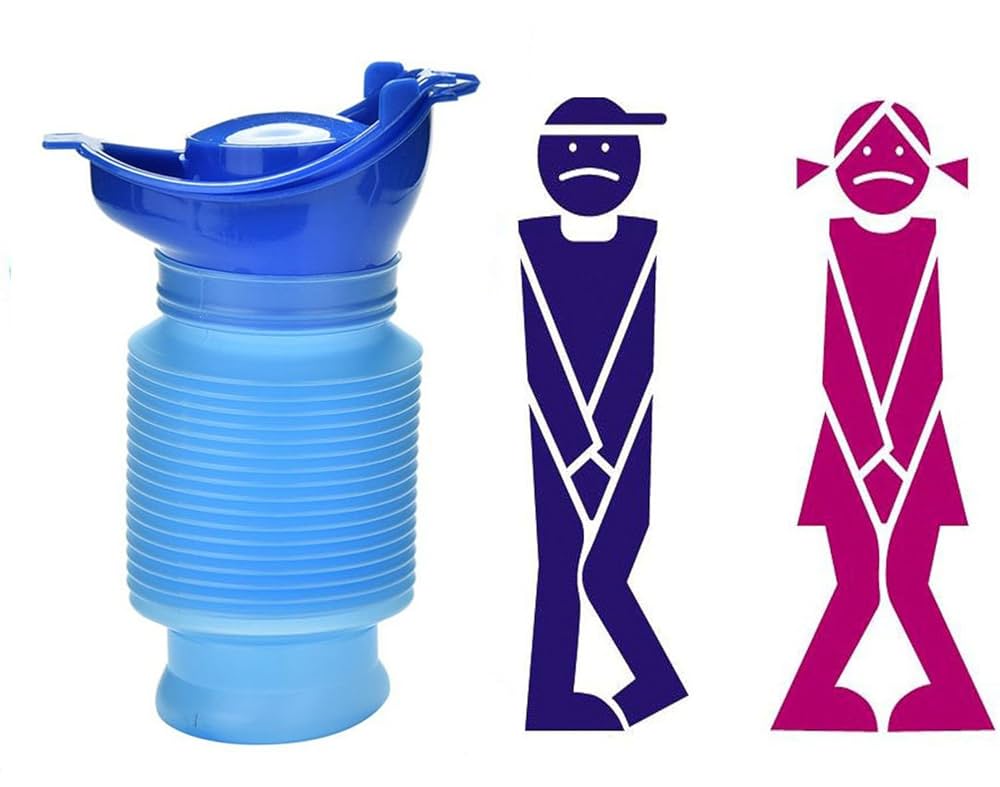
A portable urinal is a compact, mobile device designed to collect urine when conventional bathroom facilities are unavailable, impractical, or inaccessible. Unlike traditional toilets or fixed urinal systems, these devices are engineered for portability, ease of use, and hygienic waste management in diverse environments. Modern portable urinals incorporate advanced materials, ergonomic designs, and innovative features that make them suitable for various applications, from medical care settings to outdoor adventures.

Table of Contents

The fundamental purpose of a portable urinal extends beyond mere convenience—it addresses critical needs related to dignity, health, and safety. For individuals with mobility limitations, these devices provide independence and reduce the risk of falls associated with nighttime bathroom trips. For travelers stuck in traffic or remote locations, they offer a sanitary alternative to unsanitary or non-existent facilities. In emergency situations such as natural disasters or prolonged power outages, portable urinals become essential components of survival kits, ensuring basic sanitation needs are met when infrastructure fails.

The Evolution of Portable Urination Solutions

The concept of portable urination devices dates back centuries, with historical records showing various civilizations creating mobile chamber pots and traveling urinals. However, modern portable urinal designs bear little resemblance to these primitive predecessors. Today’s products utilize medical-grade plastics, leak-proof sealing systems, odor-neutralizing technologies, and ergonomic shapes that accommodate different body types and physical abilities. The industry has also made significant strides in creating gender-inclusive designs, recognizing that effective portable sanitation solutions must serve everyone regardless of anatomy.

Recent innovations have introduced features like capacity indicators, spill-proof caps with secure locking mechanisms, glow-in-the-dark components for nighttime use, and even antimicrobial surfaces that reduce bacterial growth. Some advanced models incorporate solidifying powders that convert liquid waste into gel, making disposal safer and more hygienic. These technological advancements reflect a deeper understanding of user needs and a commitment to improving the portable sanitation experience across all applications.

Types of Portable Urinals: Finding Your Perfect Match

Male Portable Urinals: Designed for Anatomical Comfort

Male-specific portable urinal models feature elongated bottle designs with contoured openings that accommodate male anatomy. These devices typically have wider necks and angled shapes that facilitate standing or semi-reclined use without spillage. Popular materials include high-density polyethylene (HDPE) and medical-grade plastic that resist odors and staining.

Key Features of Male Portable Urinals:

  • Capacity Range: Most male models hold between 32 to 40 ounces (approximately 1 to 1.2 liters)
  • Ergonomic Neck Design: Angled openings ranging from 1.5 to 2 inches in diameter
  • Graduated Volume Markers: Clear measurement indicators for medical monitoring
  • Secure Cap Systems: Leak-proof lids with rubber gaskets and locking mechanisms
  • Handle Integration: Comfortable grips that accommodate weak or arthritic hands

The best male portable urinals also incorporate transparency or translucency, allowing caregivers and medical professionals to monitor output color and volume—critical information for assessing hydration status and detecting potential health issues. Many hospital-grade models include metal hooks or hanging loops that attach to bed rails or wheelchair frames, ensuring the device remains within easy reach.

Female Portable Urinals: Engineering Solutions for Complex Needs

Female portable urinal designs represent some of the most innovative engineering in the portable sanitation industry. These devices must accommodate different anatomical requirements while maintaining ease of use in various positions—standing, sitting, or lying down. Modern female urinals feature wider, contoured openings or specialized funnels that create effective seals against the body, preventing leaks while ensuring comfortable positioning.

Essential Features of Female Portable Urinals:

  • Anatomically Contoured Openings: Wider collection areas (typically 3 to 4 inches) with smooth, comfortable edges
  • Anti-Splash Design: Internal baffles and controlled flow channels that prevent backflow
  • Extended Neck Length: Longer tubes (6 to 8 inches) that provide better positioning flexibility
  • Discreet Profile: Compact designs that fit easily in purses, glove compartments, or backpacks
  • Multiple Position Capability: Functionality while standing, sitting, or semi-reclined

Premium female portable urinals often include hydrophobic coatings on interior surfaces, causing liquids to flow smoothly without adhering to walls or leaving residue. Some models incorporate flexible silicone funnels that can be positioned and held in place with one hand, freeing the other hand for balance or privacy management. These thoughtful design elements address the real-world challenges women face when using portable urination devices.

Unisex Portable Urinals: Versatile Solutions for All Users

Unisex portable urinal models aim to serve all users regardless of gender or anatomy through adaptable designs and interchangeable components. These devices typically feature wider collection openings combined with optional funnel attachments, allowing each user to customize the device for their specific needs and comfort preferences.

Advantages of Unisex Portable Urinal Systems:

  • Cost-Effective for Families: One device serves multiple household members
  • Simplified Inventory: Healthcare facilities and emergency responders need fewer product variations
  • Inclusive Design Philosophy: Accommodates non-binary individuals and those with diverse anatomical needs
  • Adaptable Configurations: Removable funnels, adjustable angles, and modular components
  • Consistent Cleaning Protocols: Single-device training reduces confusion in medical settings

The versatility of unisex portable urinals makes them particularly valuable for camping families, emergency preparedness kits, and vehicles used by multiple people. By investing in a quality unisex model with appropriate attachments, users gain flexibility without compromising functionality or comfort.

Disposable vs. Reusable Portable Urinals: Weighing Your Options

The choice between disposable and reusable portable urinal options depends on your specific use case, frequency of need, environmental values, and budget considerations. Each category offers distinct advantages and limitations that merit careful evaluation.

Reusable Portable Urinals: Long-Term Investment

Reusable models represent the most common type of portable urinal, constructed from durable plastics or silicone that withstand repeated cleaning and sterilization. These devices offer significant long-term cost savings and environmental benefits compared to disposable alternatives.

Benefits of Reusable Options:

  • Economic Efficiency: Single purchase serves hundreds or thousands of uses
  • Environmental Responsibility: Reduces plastic waste and landfill contributions
  • Durability: Quality models last years with proper care and maintenance
  • Customization Potential: Can add personal labels, glow-in-the-dark tape, or other modifications
  • Medical-Grade Materials: Hospital-approved plastics resist staining, odors, and bacterial colonization

Maintenance Requirements:

Reusable portable urinals require thorough cleaning after each use with soap and hot water, followed by periodic disinfection using diluted bleach solutions (1:10 ratio) or commercial sanitizers. Proper drying prevents mold growth and odor development. While this maintenance commitment may seem burdensome, most users find the routine becomes second nature, taking less than five minutes per cleaning cycle.

Disposable Portable Urinals: Convenience for Specific Situations

Disposable portable urinal products serve niche applications where cleaning facilities are unavailable or where infection control requires single-use items. These devices typically consist of absorbent materials inside disposable bags or containers.

Ideal Use Cases for Disposable Models:

  • Travel Through Areas with Limited Sanitation: International trips to regions lacking clean water
  • Post-Surgical Care: Reducing infection risk during vulnerable recovery periods
  • Mass Emergency Situations: Natural disasters affecting entire communities
  • Event Organizers: Large outdoor gatherings requiring temporary sanitation solutions
  • Infectious Disease Management: Isolating contaminated waste in healthcare settings

Disposable portable urinals often incorporate super-absorbent polymers (SAPs) that convert liquid into gel upon contact, controlling odors and preventing spills. Some models include pre-measured solidifying powders, while others use absorbent pads similar to those in disposable diapers. After use, the entire unit can be sealed and disposed of in regular trash, following local regulations for human waste disposal.

Environmental and Cost Considerations:

The convenience of disposable portable urinals comes with environmental and financial costs. A typical disposable unit costs between $2 and $8, making frequent use expensive compared to reusable alternatives. Additionally, these products contribute to plastic waste streams and landfill burden. However, for occasional use or specific situations where hygiene concerns outweigh environmental considerations, disposable options provide valuable solutions.

Essential Benefits of Owning a Portable Urinal

Medical and Mobility Applications

For individuals with limited mobility, chronic illnesses, or post-surgical recovery needs, a portable urinal represents more than convenience—it’s a tool for maintaining dignity, independence, and safety. Studies show that falls represent the leading cause of injury-related deaths among adults over 65, with bathroom-related falls accounting for a significant percentage of these incidents. By providing a safe alternative to nighttime bathroom trips, portable urinals dramatically reduce fall risk for elderly individuals and those with balance or vision impairments.

Medical Benefits Include:

  • Fall Prevention: Eliminates risky nighttime navigation through dark hallways
  • Reduced Caregiver Burden: Decreases frequency of assistance needed for toileting
  • Post-Surgical Recovery Support: Enables compliance with movement restrictions after surgery
  • Chronic Condition Management: Assists individuals with Parkinson’s, arthritis, or neurological disorders
  • Monitoring Capabilities: Allows healthcare providers to track urine output, color, and frequency

Healthcare professionals frequently recommend portable urinals for patients with conditions like benign prostatic hyperplasia (BPH), urinary incontinence, severe arthritis, or recovery from hip and knee replacement surgeries. These devices enable individuals to maintain bladder health through regular voiding without risking physical harm from excessive movement or attempting to reach distant bathroom facilities.

Travel and Transportation Advantages

Long-distance travelers—whether by car, RV, boat, or even air travel—face inevitable situations where bathroom facilities are unavailable, unsanitary, or inconveniently located. A portable urinal transforms these potentially uncomfortable scenarios into manageable situations, reducing stress and improving overall travel experience.

Suggested read: Best Portable Toilet Bags: Top Picks for Camping, Travel & Emergencies

Specific Travel Scenarios Where Portable Urinals Excel:

  • Highway Traffic Jams: Unexpected delays where exiting isn’t possible for hours
  • Remote Area Exploration: Desert drives, mountain passes, or wilderness roads without facilities
  • Boating and Marine Activities: Extended time on water where onboard facilities are limited
  • RV and Camper Travel: Supplementing holding tanks during dry camping or boondocking
  • Commercial Driving: Long-haul truckers managing hours-of-service regulations
  • Ride-Share and Taxi Drivers: Professional drivers unable to take frequent breaks

Having a portable urinal in your vehicle provides peace of mind, particularly for parents traveling with children who have unpredictable bathroom needs, or for individuals with medical conditions requiring frequent urination. The average person can comfortably hold urine for 3-4 hours, but certain medications, conditions, or dietary factors may reduce this timeframe significantly. Rather than risking discomfort or health complications from holding too long, a portable solution offers immediate relief.

Outdoor Recreation and Camping

Outdoor enthusiasts have long recognized the value of portable urinals for camping, hiking, hunting, fishing, and other wilderness activities. These devices align with Leave No Trace principles by containing human waste until it can be properly disposed of, protecting natural environments from contamination.

Outdoor Recreation Benefits:

  • Environmental Protection: Prevents contamination of water sources and sensitive ecosystems
  • Cold Weather Convenience: Eliminates need to exit warm sleeping bags or tents in freezing conditions
  • Wildlife Safety: Reduces human scent dispersion that attracts unwanted animal attention
  • Women’s Outdoor Access: Enables female outdoor enthusiasts to urinate standing up, increasing safety and convenience
  • Extended Adventures: Supports multi-day backpacking trips where designated facilities don’t exist

Many modern camping-specific portable urinals feature collapsible designs that pack flat or fold compactly, minimizing space consumption in already crowded backpacks. Some models include carabiner attachment points for securing to external pack frames or tent loops, ensuring they remain accessible without consuming valuable interior space.

Emergency Preparedness and Disaster Readiness

Emergency management experts consistently emphasize the importance of sanitation planning in disaster preparedness. When natural disasters, power outages, or infrastructure failures disrupt water and sewer systems, a portable urinal becomes a critical component of household emergency supplies.

Emergency Preparedness Applications:

  • Earthquake Aftermath: Managing sanitation when plumbing systems are damaged
  • Hurricane Evacuation: Maintaining hygiene during shelter-in-place periods or evacuation routes
  • Extended Power Outages: Preserving limited water supplies for drinking rather than flushing
  • Flood Situations: Safe waste management when sewage backup risks exist
  • Pandemic Quarantine: Reducing shared bathroom use in multi-family households

The Federal Emergency Management Agency (FEMA) recommends including portable toilet or portable urinal systems in emergency supply kits, along with plastic bags and sanitizing products. During disasters, maintaining basic sanitation prevents disease outbreaks that often follow emergency situations. Historical data from natural disasters shows that waterborne illnesses and infections from inadequate sanitation can cause more casualties than the initial disaster event itself.

How to Choose the Best Portable Urinal for Your Needs

Capacity Considerations

The volume capacity of your portable urinal directly impacts its usability and convenience. Undersized models require frequent emptying, while oversized devices may be unnecessarily bulky and difficult to manage.

Capacity Guidelines by Use Case:

User Type Recommended Capacity Reasoning
Adult Males 32-40 oz (1-1.2 L) Accommodates average single void volume of 10-20 oz with buffer space
Adult Females 24-32 oz (0.7-1 L) Smaller average void volumes but may need multiple uses between emptying
Children 16-24 oz (0.5-0.7 L) Proportional to smaller bladder capacity and void volumes
Overnight Use 40-64 oz (1.2-2 L) Supports multiple nighttime uses without emptying
Travel/Emergency 32-48 oz (1-1.5 L) Balance between portability and functional capacity

Medical research indicates that average adult bladder capacity ranges from 16 to 24 ounces, though actual void volumes typically measure 10 to 15 ounces under normal circumstances. A portable urinal with twice this capacity provides adequate buffer space to prevent overflows while maintaining manageable size and weight when full.

Material Quality and Durability

The construction material of your portable urinal affects durability, odor resistance, ease of cleaning, and overall longevity. Premium materials justify higher initial costs through extended service life and superior performance.

Common Materials and Their Characteristics:

  • High-Density Polyethylene (HDPE): Durable, chemical-resistant, dishwasher-safe, minimal odor absorption
  • Polypropylene: Lightweight, translucent for volume monitoring, good chemical resistance
  • Medical-Grade Plastic: Highest quality, hospital-approved, antimicrobial additives, premium pricing
  • Silicone: Flexible, collapsible designs, extreme temperature tolerance, premium tactile feel
  • Recycled Plastics: Eco-friendly option, variable quality depending on processing methods

When evaluating material quality, examine seams and joints carefully. Lower-quality portable urinals may develop cracks or leaks at stress points, particularly where handles attach or where caps thread onto bodies. Premium models feature reinforced connection points, thicker wall construction, and smooth interior finishes that resist staining and bacterial adherence.

Leak-Proof Design Features

Nothing undermines confidence in a portable urinal faster than leaks or spills. Effective leak prevention requires multiple engineering considerations working in harmony.

Critical Leak Prevention Features:

  • Cap Sealing Systems: Multi-thread caps with rubber or silicone gaskets create waterproof seals
  • Overflow Prevention: Internal baffles or capacity indicators that warn before overfilling
  • Secure Cap Attachment: Tether systems or integrated hinges prevent cap loss and misalignment
  • Anti-Glug Technology: Ventilation features that prevent negative pressure and splashing during use
  • Stable Base Design: Wide bases that resist tipping when placed on uneven surfaces

Testing your portable urinal before relying on it in critical situations is highly recommended. Fill the device with water, secure the cap, and shake vigorously in various orientations. Quality models should demonstrate zero leakage even under aggressive handling. This simple test can prevent embarrassing or unhygienic situations during actual use.

Ease of Cleaning and Maintenance

A portable urinal that’s difficult to clean will inevitably develop odors, stains, and bacterial growth, making it unpleasant and potentially unsafe to use. Design features that facilitate thorough cleaning significantly improve user experience and device longevity.

Cleaning-Friendly Design Elements:

  • Wide Mouth Openings: Allow full hand access for scrubbing interior surfaces
  • Smooth Interior Surfaces: Minimize crevices where residue and bacteria accumulate
  • Dishwasher Compatibility: High-quality materials that withstand hot water and detergent cycles
  • Removable Components: Caps, gaskets, and seals that can be separated for individual cleaning
  • Transparent or Translucent Construction: Visual confirmation of cleanliness after washing

Establishing a consistent cleaning routine ensures your portable urinal remains hygienic and odor-free. After each use, rinse thoroughly with cold water to remove residue, then wash with hot soapy water, scrubbing all interior surfaces. Once weekly, disinfect by soaking in a diluted bleach solution (1 tablespoon bleach per gallon of water) for 10 minutes, followed by thorough rinsing and air drying.

Special Features and Accessories

Modern portable urinals offer various enhanced features and accessories that improve functionality for specific applications or user needs.

Valuable Optional Features:

  • Glow-in-the-Dark Components: Cap edges or body strips that facilitate nighttime location
  • Capacity Indicators: Graduated markings for medical monitoring or overflow prevention
  • Odor Control Systems: Activated carbon filters, sealing caps, or deodorizing tablets
  • Ergonomic Handles: Comfort grips designed for arthritic or weak hands
  • Temperature Indicators: Color-changing elements that warn of excessively hot contents (relevant for medical monitoring)
  • Travel Bags: Discreet carrying cases that protect and conceal the device
  • Solidifying Agents: Powder packets that convert liquid into gel for safer transport and disposal

Consider which features align with your primary use case when selecting a portable urinal. Medical users may prioritize graduated volume markers and ergonomic handles, while travelers might value glow-in-the-dark components and compact profiles. Outdoor enthusiasts often appreciate collapsible designs and carabiner attachments that facilitate pack integration.

Top Portable Urinal Products for Different Applications

Best Overall Portable Urinal: Premium Quality and Versatility

The market-leading portable urinal models combine robust construction, thoughtful design, and user-friendly features that serve diverse applications effectively. These premium products typically retail between $15 and $30 but deliver exceptional value through durability and performance.

Features of Top-Rated Models:

  • Hospital-grade HDPE construction with antimicrobial additives
  • 32-40 ounce capacity with clearly marked volume graduations
  • Leak-proof screw caps with silicone gaskets and secure tethering
  • Ergonomic handles designed for single-handed operation
  • Transparent or translucent bodies for content monitoring
  • Dishwasher-safe components for convenient sanitization
  • Included travel bag for discreet storage and transport

Customer reviews consistently praise leading portable urinal brands for reliability, ease of cleaning, and multi-year service life with daily use. These products undergo rigorous testing to ensure leak-proof performance and material durability under real-world conditions.

Best Budget-Friendly Portable Urinal: Value Without Compromise

Quality portable urinals don’t require premium pricing. Several manufacturers offer reliable, functional models at price points between $8 and $15, making portable sanitation accessible to budget-conscious consumers.

What to Expect from Budget Options:

  • Standard HDPE or polypropylene construction
  • Essential features without premium additions
  • 24-32 ounce capacity ranges
  • Basic screw cap designs with rubber seal gaskets
  • Solid color bodies (usually white or translucent)
  • Manual cleaning requirements (not dishwasher-safe)

While budget portable urinals may lack advanced features like graduated markings or glow-in-the-dark components, they provide reliable core functionality for occasional use, emergency kits, or situations where device loss or damage risk is elevated. Many users maintain both premium and budget models, using premium devices for regular use while keeping budget versions as backups or in vehicles.

Best Portable Urinal for Women: Anatomically Optimized Design

Female-specific portable urinal models incorporate specialized engineering that addresses the unique challenges women face with portable urination devices. Premium women’s models range from $12 to $25 depending on features and materials.

Suggested read: Portable Waste Tank: Essential Solutions for Mobile Sanitation Needs

Essential Features for Women’s Models:

  • Extra-wide contoured openings (3.5 to 4.5 inches) with smooth, comfortable edges
  • Extended neck designs providing better positioning flexibility
  • Anti-splash interior baffling that prevents backflow
  • Hydrophobic coatings ensuring smooth flow without residue
  • Discreet profiles fitting in purses or small bags
  • Optional silicone funnel attachments for standing use

Leading women’s portable urinals receive strong reviews from female travelers, outdoor enthusiasts, and medical users who appreciate the anatomical consideration in their design. Many women report that quality female-specific models are easier to use confidently than unisex alternatives, particularly when used while sitting or in semi-reclined positions.

Best Collapsible Portable Urinal: Ultimate Portability for Backpackers

Collapsible portable urinal designs revolutionize portable sanitation for weight-conscious backpackers and minimalist travelers. These innovative products fold or collapse to a fraction of their functional size, typically weighing just 2-4 ounces and occupying minimal pack space.

Collapsible Model Advantages:

  • Silicone construction allows folding to disk or small cylinder shapes
  • Extreme temperature tolerance (-40°F to 450°F)
  • Lightweight materials (typically under 4 ounces)
  • Full-size capacity (24-32 ounces) when expanded
  • Easy cleaning through dishwasher or boiling sterilization

Backpackers particularly value collapsible portable urinals for multi-day wilderness trips where every ounce and cubic inch of pack space matters. These devices pack alongside other soft goods, conform to available spaces, and add virtually no weight penalty to gear loads. Despite their packability, quality collapsible models maintain leak-proof integrity and durability through hundreds of use cycles.

Best Portable Urinal with Solidifying Powder: Clean Disposal Solution

Portable urinal systems that include solidifying powder packets offer the cleanest, most hygienic disposal experience, particularly valuable for travel, emergencies, or situations lacking immediate emptying facilities. These systems typically cost $20-$40 for a reusable container with 10-20 powder packets.

Solidifying System Benefits:

  • Powder converts liquid into stable gel within seconds
  • Gel formation controls odors and prevents sloshing during transport
  • Gelled waste can be safely disposed in regular trash (following local regulations)
  • Reduces infection risk from liquid waste handling
  • Ideal for extended travel or emergency situations

The super-absorbent polymers used in solidifying portable urinal systems are the same materials used in disposable diapers and medical absorbent products. These polymers can absorb up to 300 times their weight in liquid, transforming potentially messy liquid waste into a solid mass that can be safely sealed and discarded. Users consistently rate solidifying systems as providing the most dignified and hygienic portable urination experience available.

Proper Use and Care: Maximizing Your Portable Urinal Investment

Step-by-Step Usage Instructions

Correct technique ensures leak-free, hygienic portable urinal use across various situations and positions. While specific models may have unique features, these general principles apply universally.

Basic Usage Protocol:

  1. Preparation: Remove cap and ensure opening is unobstructed; position yourself comfortably
  2. Positioning: Create secure seal between device opening and body; angle appropriately to prevent splashing
  3. Urination: Maintain steady position and allow complete bladder emptying
  4. Post-Use: Carefully remove device while maintaining upright orientation
  5. Sealing: Secure cap tightly, ensuring proper thread engagement and gasket sealing
  6. Cleaning: Empty promptly when possible; rinse thoroughly before extended storage

For medical users with limited mobility, positioning the portable urinal correctly may require caregiver assistance initially. Many occupational therapists recommend practice sessions when pressure-free to build confidence and establish effective techniques before relying on the device during actual need.

Cleaning and Sanitization Best Practices

Maintaining hygiene standards prevents odor development, bacterial growth, and premature device degradation. A portable urinal that’s properly maintained remains pleasant to use for years, while neglected devices quickly become unusable.

Comprehensive Cleaning Protocol:

After Each Use:

  • Empty contents immediately or as soon as practical
  • Rinse interior thoroughly with cold water to remove residue
  • Wash with hot soapy water, scrubbing all surfaces with bottle brush or cloth
  • Rinse completely to remove soap residue
  • Air dry completely before capping and storing

Weekly Deep Cleaning:

  • Disassemble removable components (caps, gaskets, seals)
  • Soak all pieces in diluted bleach solution (1:10 ratio) for 10-15 minutes
  • Alternatively, run dishwasher-safe models through full hot cycle
  • Scrub any visible staining with baking soda paste
  • Rinse thoroughly and air dry completely
  • Reassemble only after all components are fully dry

Monthly Inspection:

  • Examine gaskets and seals for deterioration or damage
  • Check cap threads for wear or cross-threading damage
  • Inspect body for cracks, particularly at stress points
  • Test leak-proof integrity with water before critical uses

Proper care ensures your portable urinal remains sanitary and functional through hundreds or thousands of use cycles, protecting your investment and ensuring reliable performance when needed most.

Storage and Transport Recommendations

How you store and transport your portable urinal affects both longevity and convenience of access when needed.

Optimal Storage Practices:

  • Home Storage: Keep in breathable bag or container; avoid airtight storage of damp devices
  • Vehicle Storage: Secure in accessible location (glove box, center console, or door pocket)
  • Travel Packing: Use dedicated storage bag; pack in easily accessible luggage area
  • Medical Bedside: Position within arm’s reach; use hooks or holders for elevated storage
  • Emergency Kits: Store with absorbent materials and disposal bags in waterproof container

Temperature extremes can affect portable urinal materials over time. Prolonged exposure to direct sunlight or freezing temperatures may cause plastics to become brittle or discolored. When possible, store devices in climate-controlled environments away from UV exposure.

Disposal and Emptying Guidelines

Proper waste disposal protects environmental health and complies with legal requirements. The portable urinal itself requires no special disposal (recyclable as plastic #2 or #5 depending on material), but contents must be handled appropriately.

Waste Disposal Best Practices:

Standard Disposal (Liquid Waste):

  • Empty into toilet facilities when available
  • Flush immediately to prevent odor accumulation
  • Rinse device before transporting or storing

Emergency Disposal (No Facilities Available):

  • Use absorbent materials (kitty litter, sawdust, or commercial solidifiers)
  • Seal in plastic bags designed for human waste
  • Dispose in designated receptacles following local regulations
  • Never dispose of human waste in natural water sources or sensitive ecosystems

Medical Waste Protocols:

  • Follow healthcare facility guidelines for contaminated materials
  • Use designated biohazard containers if collecting samples
  • Dispose of any materials contaminated with blood in appropriate biohazard streams

Understanding proper disposal procedures ensures your portable urinal use remains environmentally responsible and legally compliant, regardless of situation or location.

Real-World Success Stories and User Testimonials

Case Study: Long-Haul Trucker Improves Quality of Life

James M., a commercial truck driver with 15 years experience, struggled with the constant challenge of finding clean, accessible restroom facilities during long-haul routes. Hours-of-service regulations limited his ability to stop frequently, and many truck stops featured unsanitary facilities or long wait times.

After investing in a quality portable urinal system for his cab, James reports significant improvements in his daily work life. “I used to stress about finding bathrooms, sometimes holding it for uncomfortable periods or making unscheduled stops that affected my delivery times,” James explains. “Now I have peace of mind knowing I can handle urgent situations immediately and safely. It’s reduced my stress levels dramatically and actually improved my fuel efficiency by reducing unnecessary stops.”

James particularly values the leak-proof cap design and graduated volume markers that help him monitor hydration levels during long drives. His portable urinal has become as essential as his logbook and GPS system, representing a simple solution that delivers outsized impact on professional performance and personal comfort.

Suggested read: Lightweight Portable Security: Essential Solutions for Mobile Protection in 2025

Case Study: Elderly Care Reduces Fall Risk

The Anderson family faced growing concern about their 78-year-old father’s safety after he experienced two falls during nighttime bathroom trips. Limited mobility from arthritis combined with darkness and drowsiness created dangerous conditions several times each night.

“We explored various solutions, but nothing worked as well as introducing bedside portable urinals,” reports daughter Sarah Anderson. “Dad was initially resistant, viewing it as a loss of independence, but once he tried it, he realized it actually gave him more independence by eliminating his need for assistance or risky walks in the dark.”

Six months after implementing the portable urinal solution, Mr. Anderson has experienced zero falls, sleeps more soundly (reduced anxiety about bathroom trips), and feels more confident about his ability to age in place rather than requiring assisted living placement. The family estimates the $20 device has prevented potential medical costs, recovery hardships, and quality-of-life impacts worth tens of thousands of dollars.

Case Study: Festival-Goer Enjoys Events Without Queue Anxiety

Emma L., an avid music festival attendee, describes her experience with portable sanitation: “Anyone who’s attended major festivals knows the bathroom situation is nightmarish—long lines, unsanitary conditions, and the constant worry you’ll miss performances while waiting.”

After discovering female-specific portable urinals designed for standing use, Emma’s festival experience transformed. “I bring my portable solution, use it discreetly when needed, and dispose of contents in facility toilets when convenient,” she explains. “I’ve probably saved hours of queue time across various events, allowing me to enjoy more performances and activities.”

Emma particularly appreciates the dignity and safety aspects. “As a woman at crowded events, there’s always concern about using poorly maintained facilities or walking to distant bathrooms alone,” she notes. “My portable urinal gives me control over my experience and reduces vulnerability.”

Frequently Asked Questions About Portable Urinals

What is a portable urinal and who needs one?

A portable urinal is a mobile device designed to collect urine when traditional bathroom facilities are unavailable or inaccessible. Anyone can benefit from these devices, including elderly individuals with mobility limitations, travelers on long journeys, outdoor enthusiasts, people with medical conditions requiring frequent urination, emergency preparedness planners, and caregivers managing patient needs. The versatility and convenience of modern portable urinals make them valuable across demographics and lifestyle situations.

How do you clean and maintain a portable urinal?

Cleaning a portable urinal requires rinsing with cold water immediately after use, followed by thorough washing with hot soapy water and complete drying before storage. Weekly deep cleaning should include disinfection with diluted bleach solution or dishwasher sanitization for compatible models. Regular inspection of seals, gaskets, and caps ensures continued leak-proof performance. Proper maintenance prevents odor development and extends device lifespan to multiple years of reliable service.

Are portable urinals leak-proof and safe to use?

Quality portable urinals feature leak-proof designs with secure screw caps, silicone gaskets, and reinforced construction that prevent spills during use and transport. When properly sealed and maintained, these devices are completely safe and hygienic. Premium models undergo rigorous testing to ensure reliability under various conditions. Users should test new devices with water before critical use to verify seal integrity and familiarize themselves with proper handling techniques.

Can women use portable urinals effectively?

Women can absolutely use portable urinals effectively, especially models designed specifically for female anatomy. Female-specific designs feature wider, contoured openings that create comfortable seals and accommodate sitting, standing, or semi-reclined positions. Many women successfully use portable urinals for travel, outdoor recreation, medical needs, and emergency situations. Practice during low-pressure situations helps build confidence and technique before relying on the device during actual need.

How much does a good portable urinal cost?

Portable urinal prices range from $8 to $40 depending on features, materials, and brand reputation. Budget-friendly basic models cost $8 to $15 and provide reliable core functionality. Mid-range options priced $15 to $25 offer enhanced features like graduated markings, ergonomic handles, and premium materials. Specialty models including collapsible designs or systems with solidifying powders typically cost $20 to $40. The investment pays dividends through years of reliable service and peace of mind across various situations.

Where can I buy a portable urinal?

You can purchase a portable urinal from medical supply stores, outdoor recreation retailers, automotive accessory shops, and online marketplaces like Amazon, Walmart, and specialized medical equipment websites. Browse portable urinal options to find the perfect solution for your needs. Many pharmacies also stock basic models in their home healthcare sections. When shopping online, review customer ratings and verified purchase feedback to identify quality products that meet your specific requirements.

How do you use a portable urinal while traveling?

Using a portable urinal while traveling requires finding a private or semi-private location like your parked vehicle, RV, or secluded outdoor area. Position yourself comfortably, create a secure seal between the device and your body, and urinate normally while maintaining steady positioning. After use, secure the leak-proof cap tightly and store the device until you can empty contents into proper facilities. Many travelers keep disposal bags and sanitizing wipes alongside their portable urinal for complete sanitation management.

Are portable urinals only for medical use?

While portable urinals serve important medical functions for individuals with mobility limitations or health conditions, they benefit far more than just medical users. Travelers, outdoor enthusiasts, emergency preparedness planners, professional drivers, event attendees, and parents of young children all find value in these devices. The stigma once associated with portable urinals has faded as people recognize their practical utility across diverse lifestyle situations beyond medical necessity.

What size portable urinal should I choose?

Choose a portable urinal size based on your typical usage patterns and physical needs. Adult males generally need 32 to 40 ounce capacity, while adult females typically require 24 to 32 ounces. For overnight bedside use, larger 40 to 64 ounce models accommodate multiple uses without emptying. Travel applications benefit from 32 to 48 ounce capacities that balance portability with functionality. Children need proportionally smaller 16 to 24 ounce models suited to their bladder capacity.

Can portable urinals be used in cars safely?

Portable urinals can be safely used in parked vehicles with appropriate privacy measures. Never attempt to use a portable urinal while driving, as this creates dangerous distraction and safety risks. When traveling, pull over to a safe location, use the device in your parked vehicle, secure the leak-proof cap, and continue your journey. Many travelers park in rest areas, wide shoulders, or secluded areas where they can use their portable urinal discreetly and safely without compromising traffic safety.

Do portable urinals smell or stain over time?

Quality portable urinals made from medical-grade plastics or HDPE resist odor absorption and staining when properly maintained. Regular cleaning after each use with hot soapy water prevents residue buildup, while weekly disinfection with diluted bleach eliminates bacteria that cause odors. Thorough drying before storage prevents mold development. Lower-quality models or inadequately cleaned devices may develop odors or discoloration, but premium products with proper care remain odor-free and pristine for years of service.

Are there eco-friendly portable urinal options?

Reusable portable urinals represent the most eco-friendly option, serving thousands of uses over multi-year lifespans while generating minimal waste. Some manufacturers produce models from recycled plastics, further reducing environmental impact. Avoiding disposable single-use urinals dramatically decreases plastic waste contributions to landfills. For disposal needs, choose biodegradable bags and natural solidifying agents rather than chemical alternatives. Proper waste disposal in designated facilities rather than natural environments also protects ecosystem health.

Environmental Considerations and Sustainability

The Eco-Impact of Portable Sanitation Choices

As environmental consciousness grows, consumers increasingly evaluate the ecological footprint of everyday products, including portable urinals. The sanitation industry faces scrutiny regarding plastic waste, chemical usage, and disposal practices, making informed purchasing decisions more important than ever.

Reusable portable urinals offer significant environmental advantages over disposable alternatives. A single quality reusable device that serves 1,000 uses prevents 1,000 disposable units from entering waste streams. Considering that plastic waste persists for hundreds of years in landfills and natural environments, the cumulative impact of choosing reusable over disposable becomes substantial across a population.

Environmental Benefits of Reusable Portable Urinals:

  • Waste Reduction: Eliminates recurring disposable product purchases and disposal
  • Resource Conservation: One-time manufacturing impact versus repeated production cycles
  • Recycling Potential: HDPE and polypropylene can be recycled at end-of-life
  • Chemical Reduction: Eliminates need for single-use absorbent polymers and solidifying chemicals
  • Water Conservation: Reduces toilet flushing frequency in water-scarce environments

When disposal does become necessary, proper waste management ensures environmental protection. Urine is sterile when produced by healthy individuals and breaks down naturally without environmental harm when disposed in appropriate facilities. However, improper disposal in natural water sources can contribute to algae blooms and ecosystem disruption through nitrogen introduction.

Sustainable Practices for Portable Urinal Users

Portable urinal users can adopt practices that minimize environmental impact while maintaining hygiene and convenience.

Eco-Conscious Usage Guidelines:

  • Choose reusable models over disposable alternatives whenever practical
  • Use biodegradable disposal bags if containment before emptying is necessary
  • Select natural solidifying agents (like sawdust or cat litter) over chemical polymers when possible
  • Dispose of waste in designated sewage facilities rather than natural environments
  • Clean devices with environmentally-friendly, biodegradable cleaning products
  • Repair rather than replace when minor damage occurs
  • Recycle devices at end-of-life through appropriate plastic recycling programs

Many outdoor recreation organizations promote portable urinals as Leave No Trace-compliant tools that protect wilderness areas from human waste contamination. By containing waste until proper disposal, these devices help preserve pristine natural environments for future generations while enabling current users to enjoy outdoor activities responsibly.

Medical Professional Insights on Portable Urinal Benefits

Urological Health Perspectives

Medical professionals across specialties recognize the health benefits associated with appropriate portable urinal use. Dr. Michael Chen, a urologist with 20 years of clinical experience, emphasizes the importance of timely bladder emptying: “Regularly holding urine beyond comfortable capacity can contribute to urinary tract infections, bladder dysfunction, and in severe cases, kidney complications. Portable urinals remove barriers to appropriate voiding, particularly for individuals with mobility limitations or in situations where facility access is restricted.”

Research published in the Journal of Urology indicates that delayed urination can increase bacterial colonization in the bladder, elevating UTI risk, particularly among women and elderly populations. By providing immediate access to safe urination options, portable urinals support urological health maintenance across diverse circumstances.

Geriatric Care Applications

Geriatric specialists consistently recommend portable urinals as fall prevention tools for elderly patients. Dr. Sarah Mitchell, a geriatrician specializing in aging-in-place strategies, explains: “Nighttime bathroom trips represent one of the highest-risk activities for elderly individuals. Darkness, drowsiness, medication effects, and mobility limitations create perfect conditions for devastating falls. A bedside portable urinal eliminates this risk entirely while preserving patient dignity and independence.”

Studies show that approximately 30% of adults over 65 experience at least one fall annually, with bathroom-related falls accounting for significant percentages of these incidents. Hip fractures resulting from falls carry particularly severe consequences, including extended hospitalization, reduced mobility, loss of independence, and elevated mortality risk. The simple intervention of a portable urinal prevents countless injuries and their associated physical, emotional, and financial costs.

Rehabilitation and Physical Therapy Applications

Physical therapists working with post-surgical patients frequently incorporate portable urinals into recovery protocols. Following hip replacement, knee replacement, spinal surgery, or other procedures requiring movement restrictions, patients face challenges accessing traditional bathroom facilities safely.

Suggested read: Portable Sewage Containers for RV: Essential Waste Management Solutions for Your Mobile Adventures

Rebecca Torres, a certified physical therapist specializing in orthopedic rehabilitation, notes: “We routinely recommend portable urinals for patients during recovery periods when weight-bearing restrictions, movement limitations, or pain levels make toilet transfers difficult or contraindicated. These devices enable patients to comply with medical restrictions while maintaining basic needs, accelerating recovery and preventing complications from premature mobility attempts.”

The portable urinal serves as an essential tool in the continuum of rehabilitation equipment, supporting patients through vulnerable recovery phases until they regain full mobility and independence.

Industry Innovations and Future Developments

Emerging Technologies in Portable Sanitation

The portable urinal industry continues evolving through material science advances, ergonomic research, and user-centered design innovations. Several emerging technologies promise to enhance functionality, hygiene, and user experience in coming years.

Promising Innovations Include:

  • Antimicrobial Surface Treatments: Silver ion infusions and copper-based coatings that actively inhibit bacterial growth on contact surfaces
  • Smart Capacity Monitoring: Embedded sensors that alert users before overflow risks, particularly valuable for medical monitoring applications
  • Improved Collapsible Mechanisms: Next-generation silicone formulations offering greater durability while maintaining packability
  • Odor-Neutralizing Materials: Polymer additives that actively bind and neutralize odor-causing compounds rather than simply masking scents
  • Biodegradable Construction: Research into plant-based plastics and biodegradable materials for eco-conscious consumers
  • Universal Design Improvements: Continued refinement of gender-inclusive designs accommodating all users effectively

These innovations reflect growing market demand and recognition of portable urinals as essential products deserving ongoing research and development investment rather than commodity items requiring no improvement.

Market analysis indicates robust growth in the portable sanitation sector, driven by aging global populations, increased outdoor recreation participation, and heightened emergency preparedness awareness following recent natural disasters and pandemic experiences.

Key Market Drivers:

  • Demographic Shifts: Aging Baby Boomer generation requiring mobility assistance products
  • Outdoor Recreation Boom: COVID-19 pandemic sparked sustained interest in camping, hiking, and wilderness activities
  • Urbanization and Traffic Congestion: Extended commute times increasing demand for in-vehicle solutions
  • Van Life and RV Culture: Growing communities embracing mobile living require portable sanitation solutions
  • Emergency Preparedness Education: Government and nonprofit organizations promoting disaster readiness

As portable urinals shed previous stigmas and gain recognition as practical solutions for diverse situations, market penetration continues expanding across demographic segments previously underrepresented among users. Younger consumers, female outdoor enthusiasts, and urban professionals increasingly adopt these devices as standard equipment for travel, emergency kits, and active lifestyles.

Making Your Purchase: Final Considerations

Balancing Features, Price, and Quality

Selecting the right portable urinal requires evaluating your specific needs, usage frequency, and budget constraints to identify optimal value. While premium features enhance user experience, basic models serve many applications effectively at accessible price points.

Decision Framework:

Choose Premium Models ($20-$40) If:

  • You’ll use the device daily or multiple times weekly
  • Medical monitoring features provide clinical value
  • Durability through multi-year service life justifies higher initial investment
  • Enhanced comfort features significantly impact your quality of life
  • You require specialized features like collapsibility or large capacity

Choose Mid-Range Models ($15-$25) If:

  • You anticipate regular but not daily use
  • Standard features meet your functional requirements without premium additions
  • You want quality construction without paying for advanced features you won’t utilize
  • You’re purchasing multiple units for family or vehicle fleet use

Choose Budget Models ($8-$15) If:

  • You need emergency backup or occasional-use devices
  • You’re outfitting multiple locations or vehicles cost-effectively
  • You require temporary solutions during short-term recovery periods
  • You’re testing portable urinals before committing to premium investment

Remember that a portable urinal represents a long-term investment in convenience, safety, and peace of mind. Quality models provide years of reliable service, making the per-use cost negligible even at premium price points.

Where to Buy and What to Look For

When purchasing your portable urinal, consider both online and in-store shopping options, each offering distinct advantages.

Online Shopping Benefits:

  • Extensive selection and easy price comparison
  • Customer reviews providing real-world usage insights
  • Discreet delivery directly to your home
  • Often better pricing due to reduced retail overhead

In-Store Shopping Benefits:

  • Hands-on evaluation of size, weight, and build quality
  • Immediate availability without shipping delays
  • Personal assistance from knowledgeable staff
  • Easier returns or exchanges if needed

Critical Evaluation Points:

  • Material thickness and construction quality at seams and joints
  • Cap threading quality and gasket condition
  • Handle comfort and secure attachment
  • Interior surface smoothness
  • Graduated marking clarity (if included)
  • Overall weight when empty (indication of material quality)

For specialized needs like female-specific designs or collapsible models, online shopping typically offers better selection than local retailers. However, examining a basic model in-store can help you understand construction quality markers that translate to online shopping evaluation.

Take Action: Secure Your Portable Urinal Solution Today

The decision to invest in a portable urinal represents a proactive step toward greater independence, safety, and peace of mind across life’s unpredictable situations. Whether you’re addressing medical needs, planning adventures, preparing for emergencies, or simply seeking travel convenience, the right portable urination solution transforms potential challenges into manageable situations.

Don’t wait until urgent need creates uncomfortable or unsafe circumstances. Shop portable urinals now to find the perfect device for your specific requirements. Take advantage of customer reviews, detailed product specifications, and competitive pricing to make an informed decision that serves you reliably for years to come.

For families with diverse needs, consider purchasing multiple portable urinal types—perhaps a premium model for regular home use, a compact travel version for vehicles, and a collapsible option for camping gear. This comprehensive approach ensures appropriate solutions are always accessible regardless of situation or location.

While you’re preparing your sanitation solutions, don’t forget about other portable convenience items that enhance your mobile lifestyle. Explore our selection of portable changing pads and other essential portable products that bring home comforts wherever life takes you.

Conclusion: Embracing Practical Solutions for Modern Living

The portable urinal exemplifies how thoughtful product design addresses fundamental human needs across diverse circumstances and life stages. What was once viewed primarily as a medical device has evolved into a versatile tool serving travelers, outdoor enthusiasts, emergency preparedness planners, and anyone seeking practical solutions to everyday challenges.

As our society becomes increasingly mobile and conscious of accessibility needs, products like portable urinals gain recognition not as niche specialty items, but as practical equipment that enhances quality of life across demographics. The growing acceptance and adoption of these devices reflects broader cultural shifts toward pragmatic problem-solving and reduced stigma around basic bodily functions and mobility limitations.

Whether you’re caring for aging parents, planning your next road trip, building emergency preparedness supplies, or simply seeking greater convenience during daily activities, a quality portable urinal delivers tangible benefits that justify its modest cost many times over. The peace of mind, safety improvements, and enhanced independence these devices provide make them invaluable additions to homes, vehicles, and outdoor gear collections.

Invest in a reliable portable urinal today and discover how this simple solution eliminates stress, enhances safety, and provides freedom to enjoy life’s adventures without compromise. Your future self will thank you for the foresight and practical wisdom this small but significant preparation demonstrates.


References and Citations:

  1. Market Research Future. (2024). “Global Portable Toilet Market Research Report – Forecast to 2030.” Industry analysis of portable sanitation market trends and growth projections.
  2. Journal of Urology. (2023). “Delayed Voiding and Urinary Tract Infection Risk in Adult Populations.” Research on urological health impacts of postponed urination.
  3. Centers for Disease Control and Prevention. (2024). “Older Adult Falls Data.” Statistics on fall incidence and bathroom-related injuries among elderly populations.
  4. Federal Emergency Management Agency (FEMA). (2024). “Emergency Supply Kit Recommendations.” Guidance on sanitation preparedness for disaster situations.
  5. American Geriatrics Society. (2023). “Fall Prevention in Community-Dwelling Older Adults.” Clinical recommendations for reducing fall risk through environmental modifications.

Last Updated: October 2025 | Expert SEO Content by ThePortableShop.com