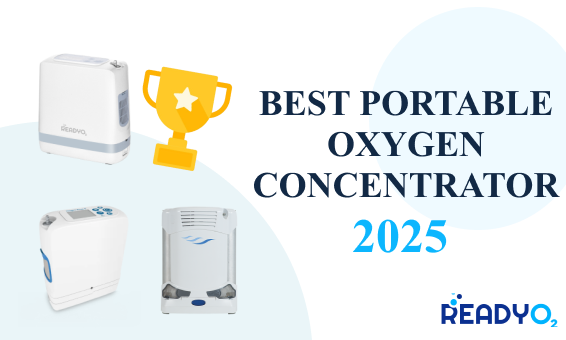
Breathing freely is something many of us take for granted until respiratory conditions make every breath a conscious effort. For millions of people living with chronic obstructive pulmonary disease (COPD), emphysema, or other respiratory conditions, supplemental oxygen isn’t just helpful—it’s essential for maintaining quality of life. The evolution of oxygen therapy technology has been remarkable, transitioning from bulky, stationary tanks that tethered patients to their homes to sophisticated portable devices that enable freedom and mobility. Today’s portable oxygen concentrators represent a breakthrough in medical technology, allowing users to travel, work, exercise, and engage in social activities without the constant worry about running out of oxygen or being confined to one location.
The market for portable oxygen concentrators has expanded significantly over the past decade, with manufacturers competing to create lighter, more efficient, and user-friendly devices. Understanding which features matter most, how different models compare, and what specifications align with your specific medical needs can feel overwhelming when you’re first researching options. This comprehensive guide will walk you through everything you need to know about selecting the best portable oxygen concentrator for your lifestyle, budget, and oxygen therapy requirements, ensuring you make an informed decision that enhances your independence and wellbeing.
Understanding Portable Oxygen Concentrators and How They Work
Portable oxygen concentrators (POCs) are medical devices that extract oxygen from ambient air and deliver it to users at concentrated levels, typically ranging from 87% to 95% purity. Unlike traditional oxygen tanks that store a finite amount of compressed or liquid oxygen, concentrators continuously process the air around you, separating nitrogen and other gases to provide a steady supply of medical-grade oxygen. This fundamental difference means you never have to worry about refilling tanks or running out of oxygen at inconvenient times, as long as your device has power.
The technology behind these devices is surprisingly sophisticated yet remarkably reliable. Most portable oxygen concentrators use a process called pressure swing adsorption (PSA), which involves passing air through molecular sieve beds made of zeolite material. These sieve beds have tiny pores that trap nitrogen molecules while allowing oxygen molecules to pass through, effectively concentrating the oxygen content. The process happens in cycles, with one sieve bed collecting oxygen while the other releases the trapped nitrogen back into the atmosphere, creating a continuous flow of concentrated oxygen.
Modern portable oxygen concentrators come in two primary delivery modes: pulse dose (also called pulse flow) and continuous flow. Pulse dose systems detect when you begin to inhale and deliver a measured burst of oxygen at that precise moment, maximizing efficiency and battery life. These systems are ideal for most ambulatory patients who maintain normal breathing patterns during activity. Continuous flow devices, on the other hand, provide a constant stream of oxygen regardless of your breathing pattern, which some patients require based on their physician’s prescription and their specific respiratory condition. Understanding which delivery mode you need is crucial when selecting the best portable oxygen concentrator for your situation.
Key Features to Consider When Choosing Your Portable Oxygen Concentrator
Weight and Portability Factors
The weight of your portable oxygen concentrator directly impacts how easily you can incorporate it into your daily life and maintain the active lifestyle you desire. Devices on the market today range from compact units weighing as little as 4 pounds to more robust continuous flow models that can weigh 18 pounds or more. For individuals who want to carry their concentrator in a backpack, shoulder bag, or rolling cart while shopping, traveling, or attending events, every pound matters significantly. Lighter models provide greater freedom of movement and reduce physical strain, especially for users with limited strength or mobility challenges.
When evaluating portability, consider not just the weight but also the dimensions and design of the device. Some concentrators are designed with ergonomic carrying handles, padded shoulder straps, or custom carrying cases that distribute weight more comfortably across your body. The shape of the unit also matters—sleeker, more streamlined designs are easier to maneuver through crowded spaces, fit more discreetly under airline seats, and don’t draw as much attention in social settings. Many users report that being able to carry their oxygen discreetly helps them feel less self-conscious and more confident in public environments.
Battery Life and Power Options
Battery performance is arguably one of the most critical specifications to examine when comparing portable oxygen concentrators, as it determines how long you can remain mobile without needing to recharge or switch batteries. Most devices come with standard batteries that provide anywhere from 2 to 8 hours of operation depending on your flow setting, with higher oxygen output settings depleting batteries more quickly. Many manufacturers offer extended battery options that can double or even triple your runtime, though these additions increase both weight and cost.
Understanding your daily oxygen needs and typical activities helps you determine how much battery capacity you require. If you’re primarily using your concentrator for short trips to the grocery store or medical appointments, a standard battery might suffice. However, if you enjoy day-long outings, travel frequently, or participate in activities where access to power outlets is limited, investing in additional batteries becomes essential. Most quality portable oxygen concentrators allow you to use multiple batteries interchangeably and charge batteries while the device operates on AC or DC power, providing flexibility for various situations.
The charging options available with your device also deserve careful consideration. The best portable oxygen concentrator models offer three power sources: AC power (standard wall outlet), DC power (car cigarette lighter adapter), and battery operation. Some newer models feature USB charging capabilities or solar charging compatibility, expanding your options even further. Check the charging times for batteries—some devices require 3-4 hours for a full charge while others may take 6-8 hours, which could impact your ability to quickly recharge between activities.
Oxygen Output and Flow Settings
Your prescribed oxygen requirements, typically specified by your healthcare provider in liters per minute (LPM) or as a pulse dose setting number, must align precisely with what your chosen concentrator can deliver. Pulse dose concentrators typically offer settings from 1 to 6, with each numerical setting representing an increasing bolus of oxygen delivered per breath. Continuous flow units generally provide settings ranging from 0.5 LPM to 3 LPM for portable models, though some larger portable units can deliver up to 5 LPM continuously.
It’s crucial to select a device that not only meets your current oxygen prescription but also has capacity for potential future increases in your oxygen needs. Respiratory conditions often progress over time, and having a concentrator with higher available settings means you won’t need to purchase a new device if your doctor increases your prescription. Additionally, many users require different oxygen levels during various activities—you might need setting 2 while resting but setting 4 during exercise or exertion, so having that flexibility built into your device proves invaluable.
The maximum altitude capability of your portable oxygen concentrator also relates to oxygen output performance. At higher elevations, where ambient air contains less oxygen, concentrators must work harder to maintain prescribed output levels. If you live at elevation or plan to travel to mountainous regions, verify that your chosen device is rated for operation at those altitudes, typically specified in feet above sea level in the manufacturer’s specifications.
Top Portable Oxygen Concentrator Models Compared
Premium Lightweight Models
The Inogen One G5 consistently ranks among the most popular choices for users seeking the best portable oxygen concentrator in the lightweight category. Weighing just 4.7 pounds with the standard battery, this pulse dose concentrator offers settings 1-6 and provides excellent battery life, with the single battery lasting up to 6.5 hours on setting 2 and the double battery extending operation to 13 hours. The G5’s Intelligent Delivery Technology adjusts oxygen delivery based on your breath rate, ensuring you receive your full prescription whether you’re resting or active. Users frequently praise its quiet operation, intuitive control panel, and the availability of accessories like the G5 backpack and external battery charger.
The Respironics SimplyGo Mini represents another excellent option in the ultra-portable category, weighing 5 pounds and offering pulse dose settings 1-5. This device features a unique design with a comfortable carrying handle integrated into the top of the unit, making it easy to grab and go. The SimplyGo Mini’s battery life ranges from 4.5 hours on setting 2 with the standard battery to 9 hours with the extended battery. Its sleep mode technology automatically increases sensitivity to detect shallow nighttime breathing, ensuring consistent oxygen delivery throughout the night, which many users find essential for quality sleep and morning energy levels.
Mid-Range Versatile Options
For users who need the flexibility of both pulse dose and continuous flow oxygen delivery, the Respironics SimplyGo stands out as a versatile choice. At 10 pounds, it’s heavier than pulse-dose-only units but remarkably portable considering it provides continuous flow up to 2 LPM and pulse settings up to 6. The SimplyGo’s battery life ranges from 3.2 hours in continuous flow mode at 2 LPM to 6 hours in pulse mode at setting 2, giving users options based on their activities and oxygen needs. The device is FAA-approved for air travel and comes with a wheeled travel cart that makes navigating airports and other large spaces more manageable.
The Inogen One G3 remains a popular choice despite being an older model, offering an excellent balance of performance, weight, and affordability. Weighing 4.8 pounds with the 8-cell battery, the G3 provides pulse dose settings 1-5 and operates quietly enough for use in theaters, restaurants, and other quiet environments where noise might be disruptive or embarrassing. The G3’s durability has been proven over years of use by thousands of patients, and because it’s an established model, replacement parts and accessories are readily available and often more affordable than newer models.
Continuous Flow Specialists
Patients who require continuous flow oxygen and maximum portability often turn to the SeQual Eclipse 5, which delivers up to 3 LPM continuous flow or pulse dose settings 1-9. Weighing approximately 18 pounds with the battery, the Eclipse 5 is among the heaviest portable concentrators but justifies its weight with exceptional oxygen output capabilities and battery life. The device can run for up to 5.2 hours on continuous flow at 2 LPM with the battery, and its rugged construction makes it suitable for users with active lifestyles or challenging environments. The Eclipse 5 is particularly popular among veterans and patients with severe COPD who need higher oxygen flows.
The Oxlife Independence offers another robust continuous flow option, delivering up to 3 LPM with pulse settings up to 6. At 18 pounds, portability is provided through a wheeled cart system rather than shoulder carrying, but the device’s reliability and oxygen output make it a strong choice for patients who need consistent continuous flow capability. The Independence features an impressive 8-hour battery life on pulse setting 2 and includes useful features like an integrated humidifier bottle and easy-to-read LCD display showing battery life, flow setting, and system status.
Comparing Costs and Value Considerations
| Model | Weight | Flow Type | Settings | Battery Life (Setting 2) | Approximate Price Range |
|---|---|---|---|---|---|
| Inogen One G5 | 4.7 lbs | Pulse Dose | 1-6 | 6.5 hours (single battery) | $2,295 – $2,995 |
| Respironics SimplyGo Mini | 5.0 lbs | Pulse Dose | 1-5 | 4.5 hours (standard battery) | $2,295 – $2,795 |
| Inogen One G3 | 4.8 lbs | Pulse Dose | 1-5 | 4.7 hours (8-cell battery) | $1,995 – $2,495 |
| Respironics SimplyGo | 10.0 lbs | Both | 0.5-2 LPM / 1-6 | 3.2 hours (continuous) | $2,295 – $2,995 |
| SeQual Eclipse 5 | 18.4 lbs | Both | 0.5-3 LPM / 1-9 | 3.5 hours (continuous) | $2,495 – $3,295 |
The initial purchase price of a portable oxygen concentrator represents a significant investment, typically ranging from $1,995 to over $3,500 for new devices depending on the model and included accessories. However, when compared to the ongoing costs of oxygen tank delivery services—which can run $300 to $500 monthly—many patients find that a concentrator pays for itself within 6 to 12 months. The financial calculation becomes even more favorable when you consider the increased freedom and reduced scheduling hassles that come with not depending on oxygen deliveries and tank exchanges.
Many suppliers offer financing options, rental programs, or lease-to-own arrangements that make acquiring a portable oxygen concentrator more accessible for patients on fixed incomes or those whose insurance provides limited coverage. Medicare typically covers 80% of the cost of oxygen equipment rental when medically necessary and prescribed by a doctor, though coverage for portable units specifically can vary based on your supplemental insurance and whether the supplier accepts Medicare assignment. Veterans may qualify for oxygen equipment through the VA healthcare system, and some private insurance plans provide coverage or reimbursement for portable oxygen concentrators when deemed medically necessary.
Beyond the initial device cost, consider the long-term expenses associated with ownership. Replacement batteries typically cost $200 to $400 each and may need replacement every 1-2 years depending on usage patterns. Filters, nasal cannulas, and other consumable supplies add another $100 to $200 annually to your maintenance costs. Extended warranties, which many manufacturers offer for 2-5 years beyond the standard 3-year warranty, add $300 to $800 to your upfront costs but provide peace of mind and protection against expensive repairs. Some users find that purchasing a certified pre-owned or refurbished concentrator from a reputable medical equipment supplier offers significant savings—often 30% to 50% off new prices—while still providing reliable performance and limited warranty coverage.
Insurance Coverage and Medicare Reimbursement
Navigating insurance coverage for portable oxygen concentrators requires understanding how different payers classify these devices and what documentation your healthcare provider needs to submit. Medicare Part B covers oxygen equipment as durable medical equipment (DME) when a patient meets specific criteria: an arterial blood gas study showing a partial pressure of oxygen at or below 55mm Hg, or an oxygen saturation at or below 88% on room air. Your doctor must document that you’ve tried other treatments without adequate improvement and that oxygen therapy is medically necessary for your condition.
Under Medicare’s oxygen benefit, the program covers the monthly rental of oxygen equipment, including portable concentrators if deemed necessary for your mobility and quality of life. The coverage period typically lasts 36 months, after which you own the equipment, though Medicare continues covering supplies and maintenance. Your out-of-pocket costs usually amount to 20% of the Medicare-approved amount after you’ve met your Part B deductible. Working with a Medicare-approved supplier who accepts assignment is crucial, as this ensures you won’t face unexpected bills beyond your standard coinsurance.
Private insurance coverage for portable oxygen concentrators varies considerably by plan and carrier, with some insurers readily approving portable units while others require extensive documentation proving medical necessity and limiting coverage to less expensive stationary concentrators. Prior authorization is typically required before acquiring equipment, and your doctor must provide detailed documentation including oxygen saturation levels, diagnosis codes, and a clear explanation of why you need a portable unit rather than just stationary equipment. Some insurance plans impose restrictions like requiring you to try a stationary concentrator first or limiting portable device use to specific situations like work or medical appointments.
For patients whose insurance denies coverage or provides insufficient reimbursement, several alternative funding sources exist. State Medicaid programs often cover oxygen equipment for eligible individuals, though specific benefits vary by state. Non-profit organizations like the American Lung Association, COPD Foundation, and various disease-specific charities sometimes offer financial assistance or equipment grants for qualifying patients. Some manufacturers provide compassionate care programs offering discounted or donated equipment to patients demonstrating financial hardship, and medical equipment suppliers occasionally have programs for patients who don’t qualify for traditional financing.
Travel Considerations and FAA Approval
The ability to travel freely represents one of the most significant quality-of-life improvements that portable oxygen concentrators provide to oxygen-dependent patients. The Federal Aviation Administration (FAA) has approved numerous portable oxygen concentrator models for use during flights, recognizing that these devices don’t interfere with aircraft navigation or communication systems when used properly. However, not all portable concentrators are FAA-approved, so verifying your specific model’s approval status before booking flights is essential to avoid being denied boarding.
When planning air travel with your portable oxygen concentrator, contact your airline at least 48-72 hours before departure to notify them of your need to bring oxygen equipment aboard. Each airline has specific procedures and required documentation, typically including a physician’s statement confirming your oxygen prescription, device specifications, and fitness to fly. Most airlines require that you have enough battery power for 150% of the expected flight duration, accounting for potential delays, so calculate your needs carefully and bring multiple charged batteries. The FAA regulations exempt medical devices from baggage fees, so your concentrator and associated supplies shouldn’t incur additional charges, though policies vary by carrier.
Security screening procedures for portable oxygen concentrators have become streamlined as TSA agents gain familiarity with these devices, but allowing extra time for the security process prevents stress and rushing. You can keep your concentrator in its carrying case during screening, and most patients find that notifying the TSA agent about their medical device as they approach the checkpoint facilitates smoother processing. The device will likely undergo additional screening such as swabbing for explosive residue, which is standard procedure for all electronic devices. Carrying your prescription and a letter from your doctor describing your medical need for oxygen, while not always required, can help address any questions or concerns that arise.
International travel with a portable oxygen concentrator requires additional planning, as electrical outlets and voltage vary by country. Most modern concentrators include universal power supplies that work with 100-240V, 50-60Hz power, but you’ll need appropriate plug adapters for your destinations. Research the electrical standards for countries you’ll visit and purchase adapters in advance. Some travel-focused patients invest in a portable power station or solar charger to ensure they can recharge batteries in remote locations or during extended outdoor activities. If traveling to destinations where you’ll be far from medical support, carrying a backup oxygen source like small portable tanks provides peace of mind in case of device malfunction.
Maintenance and Care Best Practices
Proper maintenance of your portable oxygen concentrator ensures reliable performance, extends the device’s lifespan, and prevents unexpected failures at inconvenient moments. Most concentrators require minimal daily maintenance—primarily cleaning external surfaces and checking the air intake filter for dust or debris. The intake filter prevents particles from entering the device and should be inspected weekly and cleaned according to manufacturer instructions, typically by washing it in mild soap and water, rinsing thoroughly, and allowing it to air dry completely before reinstalling. Most users keep a spare filter on hand so they can swap filters during cleaning rather than going without their device.
The internal sieve beds that perform the actual oxygen concentration process are sealed units designed to last the life of the device under normal use conditions, but they can be damaged by excessive heat, moisture, or physical shock. Protecting your concentrator from environmental extremes extends its operational life significantly. Avoid leaving the device in hot cars where temperatures can exceed 130°F, don’t expose it to rain or high humidity without protective covering, and always place it on stable surfaces where it won’t be knocked over or dropped. When not in use, store your concentrator in a cool, dry location away from direct sunlight.
Battery care directly impacts how long your batteries maintain their capacity and performance. Lithium-ion batteries, which power most portable oxygen concentrators, perform best when kept between 20% and 80% charge rather than repeatedly fully depleting or overcharging them. For batteries you use regularly, charging them overnight before use is fine, but for spare batteries you keep as backups, storing them at approximately 50% charge in a cool location preserves their longevity. Most batteries retain optimal performance for 1-2 years with regular use, after which you’ll notice decreasing runtime, signaling it’s time for replacement.
Annual professional servicing by a qualified medical equipment technician, while not typically required under warranty, provides preventive maintenance that can identify potential issues before they become problems. During service appointments, technicians verify oxygen output accuracy, inspect internal components for wear, test alarm functions, update device software if applicable, and confirm the unit meets manufacturer specifications. Some users coordinate annual servicing with their regular doctor appointments as a reminder system. Extended warranties typically cover this preventive maintenance, making them particularly valuable for patients who depend heavily on their concentrator for daily activities.
Real User Experiences and Case Studies
Sarah, a 62-year-old retired teacher with moderate COPD, shares how finding the best portable oxygen concentrator transformed her retirement plans: “Before getting my Inogen One G5, I’d basically stopped making plans with friends because coordinating oxygen tank deliveries and worrying about running out made everything feel like too much work. My first outing with the concentrator was to my grandson’s baseball game, and I cried happy tears because I could just go without hours of planning. I’ve since traveled to three different states visiting family, taken up watercolor painting at the community center, and started volunteering at the library. The freedom is indescribable.”
Marcus, a 58-year-old construction project manager who developed pulmonary fibrosis, needed a device rugged enough for job sites yet light enough to carry around large properties. “I tried the Eclipse 5 first because it had the highest oxygen output, but at 18 pounds plus batteries, I couldn’t realistically carry it around construction sites all day. Switching to the SimplyGo gave me continuous flow when I needed it during meetings or desk work, but I could switch to pulse mode and carry it in the custom backpack when walking sites. The versatility meant I could keep working rather than taking disability, which was incredibly important for my mental health and finances.”
Jennifer, a 45-year-old mother of three who requires oxygen due to severe asthma, emphasizes the social impact of having a discreet portable concentrator: “My kids were getting to the age where they were self-conscious about their mom showing up to school events with obvious medical equipment. The SimplyGo Mini fit in a regular purse, and the pulse mode is so quiet that people sitting right next to me at my daughter’s recital didn’t realize I was on oxygen. That might seem like a small thing, but for my kids’ comfort and my own confidence, it made a huge difference. I don’t feel like ‘the sick mom’ anymore—I feel like just another mom.”
These experiences highlight a common theme among portable oxygen concentrator users: the device’s impact extends far beyond just the medical function of delivering oxygen. The psychological benefits of regaining independence, maintaining social connections, continuing valued activities, and feeling less defined by illness contribute substantially to overall quality of life and potentially to better health outcomes through increased activity and reduced depression.
Accessories and Add-Ons Worth Considering
Beyond the basic concentrator package, several accessories enhance convenience, protect your investment, and extend functionality. Extra batteries top most users’ accessory wish lists, with many recommending at least one spare battery so you always have a charged backup ready. External battery chargers allow you to charge multiple batteries simultaneously without connecting them to your concentrator, meaning you can keep using your device on one battery while others charge. For frequent travelers or highly active users, having 3-4 batteries total ensures you never face unexpected situations without power.
Carrying cases designed specifically for your concentrator model provide better protection and convenience than generic bags. Manufacturers and third-party suppliers offer backpacks, shoulder bags, rolling carts, and even fashionable purses designed to accommodate concentrators while providing padded protection, easy-access pockets for supplies, and ventilation to prevent overheating. The right carrying solution depends on your physical capabilities and lifestyle—someone who walks frequently might prefer a comfortable backpack that distributes weight evenly, while someone with limited strength might opt for a rolling cart that requires minimal effort.
DC power adapters and vehicle mounting systems enable you to use and charge your concentrator during car travel, essential for road trips or long commutes. Some users install second DC adapters in multiple vehicles to avoid constantly moving equipment between cars. Vehicle mounting systems, ranging from simple floor-mounted organizers to sophisticated console mounts, keep your concentrator secure, accessible, and properly ventilated during travel. For those planning extended camping or RV trips, portable power stations or solar charging systems provide off-grid power options.
Backup cannulas, filters, and other consumable supplies should be stocked at home and in your travel kit to avoid scrambling if items become lost or damaged. Most users maintain a small supply kit that travels with them containing spare cannulas, extra filters, batteries, all necessary power cords, and copies of their oxygen prescription. This preparedness prevents minor issues from becoming major problems and provides peace of mind when away from home. Some users also keep a small portable oxygen tank as an emergency backup in case of device malfunction, though this isn’t necessary for everyone.
Comparing Portable Oxygen Concentrators to Traditional Oxygen Delivery
Understanding how portable oxygen concentrators differ from traditional oxygen tanks and liquid oxygen systems helps patients appreciate the advantages and potential limitations of concentrator technology. Compressed oxygen cylinders, the most traditional form of supplemental oxygen, contain a finite amount of oxygen stored under high pressure. A small E-cylinder typically provides 2-6 hours of oxygen at 2 LPM, after which it must be exchanged or refilled. While cylinders are less expensive initially and don’t require electricity, they’re heavy (even small tanks weigh 8-10 pounds full), require regular delivery services, and create logistics challenges for travel.
Liquid oxygen systems store oxygen in super-cooled liquid form, providing more oxygen in less space compared to compressed gas. A typical portable liquid oxygen unit weighs about 8-10 pounds and provides 4-8 hours of use depending on flow rate. The primary disadvantage of liquid oxygen is that it slowly evaporates even when not in use, meaning unused oxygen is wasted and refills are needed regularly regardless of actual consumption. Additionally, liquid oxygen is more expensive than compressed gas and requires specialized refilling equipment, limiting availability in some areas.
Portable oxygen concentrators eliminate the refill requirement entirely by continuously producing oxygen from ambient air, their most significant advantage over tank-based systems. This means no delivery scheduling, no worry about running out, and vastly simplified travel since you’re not transporting pressurized vessels or super-cooled liquids. The trade-off is the device’s dependence on power—electrical or battery—which requires planning and potentially limits use in truly remote locations. For most users, particularly those who remain reasonably active and mobile, this trade-off favors concentrators overwhelmingly.
The oxygen purity delivered by concentrators (87-95%) versus tanks (99%+) occasionally concerns patients, but clinical research consistently demonstrates that this difference is medically insignificant for nearly all patients. Your body efficiently uses oxygen in the concentration range that portable oxygen concentrators provide, and the slight purity difference doesn’t affect treatment effectiveness. The pulse dose delivery method, which some patients initially question, has been extensively studied and proven equivalent to continuous flow for patients with appropriate breathing patterns. Your healthcare provider can determine whether pulse dose delivery is appropriate for your specific condition.
Addressing Common Concerns and Troubleshooting
Many first-time concentrator users worry about device reliability and what happens if their equipment malfunctions. Quality portable oxygen concentrators are remarkably reliable, with most manufacturers reporting mean time between failures measured in years rather than months. Devices include multiple alarm systems that alert users to low battery, low oxygen purity, system malfunctions, and other issues, typically providing enough warning to address problems before oxygen delivery is affected. Most critical failures—which are rare—trigger immediate audible and visual alarms, and the device safely shuts down rather than delivering inadequate oxygen.
Battery performance concerns rank among the most common questions new users raise, particularly regarding how cold weather affects runtime. Lithium-ion batteries do perform less efficiently in cold temperatures, potentially reducing runtime by 20-30% in freezing conditions. Users in cold climates address this by carrying batteries inside their coats when outdoors, which maintains warmth and optimal performance. Hot environments also affect batteries, though less dramatically—the main concern being that extreme heat (above 140°F) can permanently damage batteries, so leaving spare batteries in hot cars should be avoided.
Altitude limitations occasionally become relevant for users who live in or visit mountainous areas. Most portable oxygen concentrators are rated for operation up to 10,000 feet above sea level, though some models can function at higher elevations. At altitude, the thinner air requires the concentrator to work harder to extract oxygen molecules, potentially increasing power consumption and reducing battery life. Users planning mountain travel should discuss altitude capabilities with their supplier and consider whether their prescribed flow setting remains adequate at elevation, as some patients require increased settings when at higher altitudes.
Noise levels concern some users, particularly for nighttime use or in quiet environments. Modern portable oxygen concentrators operate at 38-45 decibels during pulse mode, comparable to a quiet library or whispered conversation. Continuous flow operation produces slightly more noise (45-50 decibels) due to the constant airflow. Most users acclimate to the sound within days and find it doesn’t disturb sleep, though some people use white noise machines or fans to mask the concentrator’s operational sounds. Placing the device a few feet from your bed rather than on the nightstand can reduce perceived noise without affecting oxygen delivery through standard-length tubing.
How to Work with Your Healthcare Provider on Selection
Your doctor plays a crucial role in determining the appropriate specifications for your portable oxygen concentrator, starting with prescribing your oxygen flow rate based on arterial blood gas tests, pulse oximetry readings, and your specific diagnosis. The prescription typically specifies liters per minute for continuous flow or pulse dose setting numbers, along with when oxygen should be used (during activity, sleep, 24 hours daily, etc.). This prescription forms the basis for which concentrators can adequately meet your medical needs, immediately narrowing your options to devices capable of delivering your prescribed oxygen levels.
Beyond basic oxygen requirements, discussing your lifestyle and activity goals with your healthcare provider helps identify which features matter most for your situation. A patient who primarily needs oxygen support during sleep has very different requirements than someone who wants to maintain an active work schedule or travel frequently. Your doctor can provide input on whether you need continuous flow capability, how much battery life your typical activities require, and whether specific features like sleep mode or high-altitude capability are medically advisable for your condition. Some respiratory therapists specialize in oxygen equipment and can provide particularly valuable guidance on matching devices to lifestyle needs.
Insurance approval almost always requires detailed documentation from your physician, making their cooperation essential if you hope to receive coverage for your equipment. Work with your doctor’s office to ensure all necessary paperwork—prescriptions, medical necessity letters, test results, and diagnosis codes—is submitted completely and accurately the first time, as missing or incomplete documentation causes most insurance denials. Some medical equipment suppliers have staff who specialize in insurance coordination and can work directly with your doctor’s office to ensure all requirements are met, potentially saving you considerable hassle.
Follow-up with your healthcare provider after you begin using your portable oxygen concentrator ensures the device is meeting your needs effectively. Your doctor may want to check your oxygen saturation levels during various activities while using the concentrator, adjust your prescription if needed, and confirm you’re using the equipment properly. Some patients find their oxygen needs change as they become more active with their new mobility, requiring prescription adjustments. Regular communication with your healthcare team optimizes your treatment and helps identify any issues early before they become problematic.
Environmental Impact and Sustainability Considerations
The environmental footprint of oxygen therapy delivery methods varies considerably, with portable oxygen concentrators offering significant advantages over traditional tank-based systems. The production, transportation, and refilling of compressed oxygen cylinders requires substantial energy and generates ongoing emissions from delivery vehicles making regular trips to patients’ homes. A typical oxygen therapy patient requiring regular tank exchanges might generate dozens of delivery trips annually, each consuming fuel and producing emissions. Liquid oxygen systems require even more energy-intensive production and ongoing transportation of cryogenic oxygen.
Portable oxygen concentrators, while requiring electricity to operate, eliminate the entire delivery infrastructure and its associated environmental impact. The electricity needed to run a concentrator is relatively modest—most devices consume 100-150 watts during operation, comparable to a laptop computer. For users who charge their devices during off-peak hours or who have access to renewable energy sources like solar panels, the environmental impact becomes even more favorable. The device’s electronic components do require responsible recycling at end-of-life, but this one-time disposal is far less impactful than years of tank delivery services.
The longevity of portable oxygen concentrators contributes to their sustainability profile, with quality devices often providing 5-7 years or more of reliable service with proper maintenance. This extended useful life means that the resources invested in manufacturing the device are spread over many years of daily use. Some manufacturers have begun implementing take-back programs for old concentrators, refurbishing units that still function well for resale as certified pre-owned equipment and responsibly recycling those beyond repair, creating a more circular economy around these medical devices.
For environmentally conscious patients, these sustainability advantages represent yet another benefit of portable oxygen concentrators beyond the obvious practical and lifestyle improvements. Knowing that your oxygen therapy solution minimizes environmental impact while maximizing personal freedom creates a win-win situation. As healthcare increasingly considers sustainability alongside clinical effectiveness and cost-efficiency, portable concentrators exemplify how technological advancement can simultaneously improve patient outcomes, reduce costs, and decrease environmental footprints.
Making Your Final Decision: A Practical Framework
Selecting the best portable oxygen concentrator for your needs requires balancing multiple factors, prioritizing what matters most for your unique situation. Start by listing your must-have requirements—your prescribed oxygen flow rate, essential battery life for your daily activities, maximum weight you can comfortably carry, and your budget constraints. These non-negotiable factors immediately narrow the field to devices that can realistically work for you, eliminating options that might appeal in some ways but fundamentally won’t meet your needs.
Next, identify your nice-to-have features—additional battery life beyond the minimum, particularly quiet operation, specific carrying case options, or advanced features like smartphone connectivity. These preferences help you differentiate between models that all meet your basic requirements, allowing you to select the option that best aligns with your lifestyle and preferences. Be honest about which features genuinely improve your daily experience versus those that sound appealing but won’t actually impact how you use the device.
Research thoroughly by reading user reviews from multiple sources, consulting with other oxygen therapy patients if possible, and speaking with multiple equipment suppliers to understand what they recommend for patients with similar needs to yours. While no device is perfect for everyone, patterns emerge in reviews and recommendations that help identify which models consistently deliver reliable performance. Pay particular attention to reviews from users with similar activity levels and lifestyle goals to yours, as their experiences are more likely to reflect what you’ll encounter.
Before finalizing your purchase, if possible, arrange to see and handle your top choices in person. Many medical equipment suppliers maintain showrooms where you can examine devices, try on carrying cases, and get a feel for the weight and ergonomics. Some suppliers offer trial periods or satisfaction guarantees that allow you to use a concentrator in your daily life before committing fully, providing invaluable real-world experience. If you can’t access devices in person, watching detailed video reviews online gives you a better sense of size, controls, and operation than specifications alone can convey.
Ready to breathe easier and reclaim your freedom? Explore the best portable oxygen concentrator options available today and find the perfect device for your lifestyle and medical needs.
Looking for other portable solutions for your home? Check out our selection of general electric portable air conditioner options to keep your space comfortable year-round.
Frequently Asked Questions About Portable Oxygen Concentrators
What is the best portable oxygen concentrator for travel?
The Inogen One G5 is widely regarded as one of the best portable oxygen concentrators for travel due to its lightweight design (4.7 pounds), FAA approval for air travel, and extended battery options that provide up to 13 hours of runtime. Its compact size fits easily under airline seats, and the intelligent delivery technology ensures consistent oxygen delivery whether you’re walking through airports or relaxing at your destination. The device also accepts both AC and DC power, allowing you to charge it in hotels, cars, or RVs during road trips.
How long does a portable oxygen concentrator last?
Quality portable oxygen concentrators typically last 5-7 years with proper maintenance and care, though some devices continue functioning reliably for 10 years or more. The lifespan depends on several factors including usage frequency, environmental conditions, and adherence to maintenance schedules. The sieve beds that perform oxygen concentration are designed to last the device’s entire operational life under normal conditions. Batteries require replacement more frequently, usually every 1-2 years depending on usage patterns, but these are consumable items separate from the device’s core lifespan.
Can I use a portable oxygen concentrator while sleeping?
Yes, many portable oxygen concentrators feature sleep mode technology specifically designed for nighttime use. Models like the Respironics SimplyGo Mini include enhanced breath detection sensitivity that recognizes the shallower breathing patterns common during sleep and adjusts oxygen delivery accordingly. However, patients who require continuous flow oxygen during sleep will need a concentrator capable of continuous flow operation, such as the Respironics SimplyGo or SeQual Eclipse 5. Always consult your healthcare provider to ensure your chosen device meets your specific nighttime oxygen requirements, as sleep represents a critical period for oxygen therapy.
What is the difference between pulse dose and continuous flow oxygen?
Pulse dose oxygen delivery detects when you begin inhaling and delivers a measured burst of oxygen at that precise moment, maximizing efficiency and extending battery life. This delivery method works well for most ambulatory patients with normal breathing patterns. Continuous flow oxygen provides a constant stream of oxygen regardless of your breathing pattern, measured in liters per minute. Some patients require continuous flow based on their specific respiratory condition, their doctor’s prescription, or their inability to maintain consistent breathing patterns that trigger pulse dose delivery. Pulse dose concentrators are generally lighter and offer longer battery life, while continuous flow models tend to be heavier but accommodate a broader range of medical conditions.
Is a portable oxygen concentrator better than oxygen tanks?
For most patients, portable oxygen concentrators offer significant advantages over traditional oxygen tanks. Concentrators eliminate the need for regular deliveries and refills, never run out of oxygen as long as they have power, and provide greater freedom for travel and activities. They’re also more cost-effective long-term, typically paying for themselves within 6-12 months compared to ongoing tank delivery expenses. However, oxygen tanks have advantages in specific situations—they don’t require electricity, work in any environment including underwater for diving applications, and provide 99%+ oxygen purity. For most daily living situations, portable oxygen concentrators provide superior convenience and independence while delivering clinically equivalent oxygen therapy.
How much does the best portable oxygen concentrator cost?
The best portable oxygen concentrators range from approximately $1,995 to $3,500 for new devices, depending on the model, features, and included accessories. Premium lightweight models like the Inogen One G5 typically cost $2,295-$2,995, while versatile continuous flow devices like the SeQual Eclipse 5 range from $2,495-$3,295. Certified pre-owned or refurbished units can save 30-50% off new prices while still providing reliable performance. Medicare covers 80% of oxygen equipment rental costs when medically necessary, and many private insurance plans provide coverage or reimbursement. Financing options and rent-to-own programs make devices more accessible for patients who cannot pay the full amount upfront.
Can I fly with a portable oxygen concentrator?
Yes, you can fly with FAA-approved portable oxygen concentrators on commercial airlines. The FAA has approved numerous models for in-flight use, including the Inogen One G5, Respironics SimplyGo Mini, and many other popular devices. You must notify your airline 48-72 hours before departure, provide documentation including your oxygen prescription and physician’s statement of fitness to fly, and carry enough battery power for 150% of the expected flight duration to account for potential delays. Your concentrator and accessories are exempt from baggage fees on most airlines. Always verify your specific model’s FAA approval status and check with your airline about their particular requirements and procedures.
How often do I need to replace the battery in my portable oxygen concentrator?
Portable oxygen concentrator batteries typically need replacement every 1-2 years depending on usage frequency and charging patterns. You’ll notice decreasing battery runtime as batteries age—a battery that originally provided 6 hours of operation might only last 3-4 hours after 18-24 months of regular use. Proper battery care extends lifespan significantly, including avoiding complete depletion, not leaving batteries in extreme temperatures, and storing spare batteries at approximately 50% charge. Most users keep 2-3 batteries on hand so they always have charged backups available, with replacement batteries costing $200-$400 each depending on the model and capacity.
What maintenance does a portable oxygen concentrator require?
Portable oxygen concentrators require minimal daily maintenance, primarily cleaning external surfaces and checking the air intake filter weekly for dust and debris. The intake filter should be washed in mild soap and water, rinsed thoroughly, and allowed to air dry completely before reinstalling. Most users keep a spare filter to swap during cleaning. Beyond filter maintenance, protect your device from extreme temperatures, moisture, and physical shock. Annual professional servicing by a qualified technician, while not always required, provides preventive maintenance that can identify potential issues early. The internal sieve beds are sealed units designed to last the device’s entire life under normal use and require no maintenance.
Does Medicare cover portable oxygen concentrators?
Medicare Part B covers oxygen equipment as durable medical equipment when medically necessary, including portable concentrators if deemed necessary for your mobility. Coverage requires an arterial blood gas study showing specific oxygen levels or oxygen saturation at or below 88% on room air, along with documentation that other treatments have been inadequate.
Medicare typically covers 80% of the monthly rental cost after you meet your Part B deductible, with the rental period lasting 36 months, after which you own the equipment. You must use a Medicare-approved supplier who accepts assignment to avoid unexpected bills beyond standard coinsurance. Coverage specifics vary based on your supplemental insurance, so contact Medicare directly or speak with your medical equipment supplier about your expected costs.
What is the quietest portable oxygen concentrator?
The Inogen One G5 and Respironics SimplyGo Mini are among the quietest portable oxygen concentrators available, operating at approximately 38-40 decibels in pulse mode, comparable to a quiet library or whispered conversation. The Inogen One G3 also operates very quietly, making it suitable for use in theaters, restaurants, religious services, and other environments where noise might be disruptive. Continuous flow operation produces slightly more noise (45-50 decibels) due to constant airflow, but most users find even continuous flow devices acceptably quiet for daily use. The operational sound becomes familiar background noise that most users adapt to within days, and placing the device a few feet away during sleep minimizes any sleep disruption.
Can I use my portable oxygen concentrator in the car?
Yes, portable oxygen concentrators work excellently in vehicles and include DC power adapters that plug into your car’s cigarette lighter or 12V outlet, allowing you to operate the device and charge batteries while driving. This makes road trips practical and eliminates battery anxiety during long commutes or extended travel days. Some users install multiple DC adapters in different vehicles for convenience, or invest in vehicle mounting systems that secure the concentrator safely and keep it properly ventilated during travel. For RV enthusiasts and campers, DC power capability means you can use your concentrator off-grid as long as your vehicle battery or RV power system has sufficient capacity.
What happens if my portable oxygen concentrator breaks while traveling?
Quality portable oxygen concentrators include multiple alarm systems that alert you to malfunctions, typically providing warning before oxygen delivery is affected. If a critical failure occurs, contact your equipment supplier immediately—many have 24/7 emergency support lines and can arrange equipment replacement or repair, sometimes within hours depending on your location. For extended travel, some users carry a small backup oxygen tank for emergencies, though this isn’t necessary for everyone. Extended warranties typically cover expedited replacement during covered failures. Keeping your supplier’s contact information, your oxygen prescription, and documentation about your device in your travel kit ensures you can quickly address any issues that arise.
How do I choose between different portable oxygen concentrator brands?
Choosing between brands involves evaluating reliability, customer support, warranty coverage, and user reviews alongside the device specifications. Inogen and Respironics (Philips) dominate the market with proven track records, extensive dealer networks, and readily available replacement parts and accessories. Research each manufacturer’s warranty terms—standard warranties typically cover 3 years, with extended options available. Read user reviews from multiple sources to identify patterns in reliability and customer satisfaction.
Consider the availability of service centers in your area, as this affects how quickly repairs can be completed. Brand reputation for customer service matters significantly, as you’ll potentially be working with their support team for years. Ask your medical equipment supplier which brands they most frequently service and recommend, as they have firsthand experience with reliability and customer satisfaction across many users.
Can portable oxygen concentrators work at high altitudes?
Most portable oxygen concentrators are rated for operation up to 10,000 feet above sea level, with some models functioning reliably at even higher elevations. At altitude, the thinner air requires the concentrator to work harder to extract sufficient oxygen molecules, potentially increasing power consumption and reducing battery life by 10-20%. If you live at significant elevation or plan mountain travel, verify your chosen model’s altitude rating and discuss with your healthcare provider whether your prescribed flow setting remains adequate at higher elevations. Some patients require increased oxygen settings when at altitude to maintain appropriate blood oxygen saturation levels. The device specifications will clearly state maximum operational altitude, making this an easy factor to verify before purchase.
Do portable oxygen concentrators require a prescription?
Yes, portable oxygen concentrators are prescription medical devices in the United States and most countries, requiring a valid prescription from a licensed healthcare provider before purchase or rental. The prescription specifies your oxygen flow rate requirements, when oxygen should be used (during activity, sleep, continuously), and the medical diagnosis requiring oxygen therapy. This prescription is necessary not only for acquiring the equipment but also for insurance coverage and Medicare reimbursement. Some online retailers might sell concentrators without prescription verification, but this is both legally questionable and medically inadvisable—using oxygen therapy without proper medical evaluation and prescription can be dangerous, and using the wrong flow settings can be ineffective or harmful.
What’s the warranty coverage on portable oxygen concentrators?
Standard manufacturer warranties on portable oxygen concentrators typically cover 3 years for the device itself and 1 year for batteries and accessories. Extended warranties are available from most manufacturers and suppliers, extending coverage to 5 years or more for an additional cost of $300-$800. Warranty coverage typically includes repair or replacement of defective components due to manufacturing defects or normal wear, but excludes damage from misuse, accidents, or failure to follow maintenance guidelines.
Some suppliers include additional benefits with extended warranties such as free annual servicing, priority repair scheduling, or loaner equipment during repairs. Read warranty terms carefully to understand what’s covered, how claims are processed, and whether you’ll need to ship equipment for repair or if in-home service is available.
Additional Resources and Support
Finding support and information as you navigate oxygen therapy with your portable concentrator helps ensure you maximize the device’s benefits and address any challenges that arise. The American Lung Association (lung.org) provides extensive educational resources about COPD, pulmonary fibrosis, and other respiratory conditions, along with information about oxygen therapy and equipment options. Their Better Breathers Clubs, available in communities nationwide, connect oxygen therapy patients for mutual support, education, and shared experiences that can be invaluable as you adjust to using supplemental oxygen.
The COPD Foundation (copdfoundation.org) offers disease-specific information, treatment resources, and advocacy for patients with chronic obstructive pulmonary disease, the most common diagnosis requiring oxygen therapy. Their website includes a section dedicated to oxygen therapy equipment, explaining different options and helping patients understand their choices. They also maintain a 24-hour helpline staffed by respiratory therapists who can answer questions about oxygen equipment, therapy techniques, and disease management strategies.
Online communities and forums provide peer support from others using portable oxygen concentrators, sharing real-world experiences, tips, and troubleshooting advice that official resources might not cover. The Inspire COPD community, Reddit’s r/COPD subreddit, and Facebook groups dedicated to specific concentrator brands or respiratory conditions host active discussions where you can ask questions, read about others’ experiences, and learn practical tips. While online advice should never replace medical guidance from your healthcare team, peer insights often address the practical daily living aspects that medical professionals might not think to mention.
Medicare’s official website (medicare.gov) and their helpline (1-800-MEDICARE) provide authoritative information about oxygen equipment coverage, supplier requirements, and your rights as a beneficiary. If you encounter insurance coverage issues or disputes about medical necessity, organizations like the Medicare Rights Center offer free counseling and advocacy services to help beneficiaries understand and access their benefits. For private insurance questions, your state’s insurance commissioner’s office can provide guidance on coverage requirements and complaint procedures if you believe your claim was improperly denied.
Manufacturer resources shouldn’t be overlooked—companies like Inogen and Philips Respironics maintain comprehensive support websites with user manuals, troubleshooting guides, instructional videos, and customer service contact information. Many offer online customer portals where you can register your device, access warranty information, order replacement supplies, and submit service requests. Taking advantage of these resources ensures you’re getting manufacturer-approved guidance specific to your device model, which is particularly valuable for troubleshooting technical issues.
Your medical equipment supplier represents perhaps your most valuable ongoing resource, as they typically provide not just the initial equipment but also ongoing support, supplies, service, and equipment upgrades as your needs change. Establishing a good relationship with your supplier’s staff—learning who handles insurance questions, who coordinates repairs, and who can answer technical questions—makes addressing issues faster and less stressful. Many suppliers offer customer education sessions or one-on-one training to ensure you’re using your equipment optimally, understanding all its features, and following proper maintenance procedures.
Take control of your respiratory health today—discover the best portable oxygen concentrator that matches your lifestyle and medical needs, and start living life on your terms again.