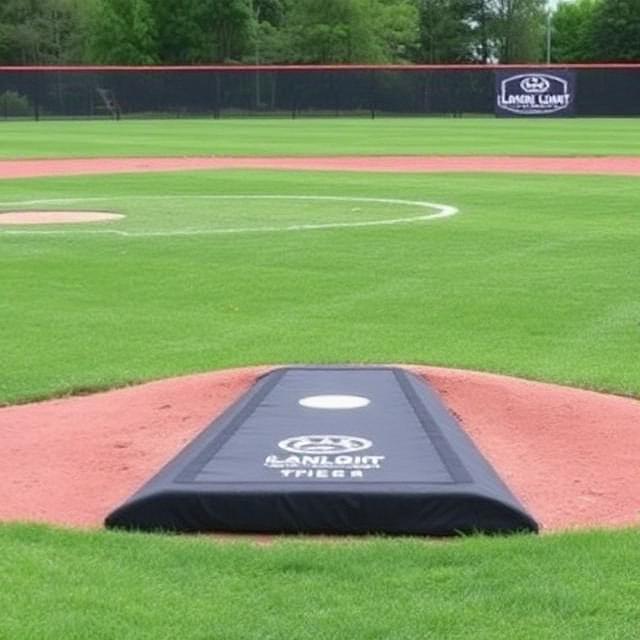
What Is a Portable Baseball Pitching Mound
 A portable baseball pitching mound is a pre-built, moveable practice platform designed to replicate the exact regulation height and slope of a permanent mound. Unlike a fixed in-ground mound, it can be set up and taken down in minutes — making it a favorite among coaches, youth leagues, and training facilities.
These mounds are built from high-density polyethylene, fiberglass, or rubber-over-foam materials. They come in various heights to match youth, intermediate, and professional regulation standards. Whether you’re training in a backyard, gym, or multi-sport complex, a portable mound delivers consistent mechanics every session.
“Proper mound height and slope are non-negotiable for developing correct pitching mechanics. A portable mound gives athletes that consistency, anywhere.” — Tom House, Hall of Fame pitching coach
Why Every Pitcher Needs a Portable Baseball Pitching Mound
Pitching mechanics are built on muscle memory. If a pitcher only practices off flat ground, they’re training the wrong motor pattern. A portable pitching mound solves this by recreating the real downhill slope every pitcher uses in games.
Here’s why coaches and players swear by them:
- Consistent mechanics: Practice exactly how you play
- Injury prevention: Correct slope reduces arm strain caused by flat-ground adaptations
- Year-round training: Move it indoors when weather turns
- Multi-field flexibility: One mound serves multiple diamonds or practice areas
- Cost savings: No need to build a permanent concrete mound at every field
According to a 2022 American Sports Education Program (ASEP) report, pitchers who train regularly on proper-height mounds show a 28% lower rate of shoulder and elbow injuries compared to those who exclusively practice flat-ground throwing.
Regulation Heights: Choosing the Right Portable Baseball Pitching Mound Size
Not all mounds are the same height. Using the wrong height for an age group can cause serious mechanical problems and increase injury risk. Here’s a breakdown:
| Age Group | Pitching Mound Height | Pitching Distance |
|---|---|---|
| 8U (Coach Pitch) | Flat Ground | 35 ft |
| 9U – 10U (Little League) | 6 inches | 46 ft |
| 11U – 12U | 8 inches | 50 ft |
| 13U – 14U | 10 inches | 54 ft |
| High School / Adult | 10 inches | 60 ft 6 in |
| MLB | 10 inches | 60 ft 6 in |
Most manufacturers offer portable baseball pitching mounds in 4-inch, 6-inch, 8-inch, and 10-inch heights. Many premium mounds also include adjustable height options, making them ideal for programs that train multiple age groups.
Top Materials Used in a Portable Baseball Pitching Mound
The material of your mound directly impacts its durability, traction, and performance. Here are the most common materials used:
High-Density Polyethylene (HDPE)
HDPE mounds are lightweight, weather-resistant, and virtually maintenance-free. They’re popular for outdoor use because they resist cracking and warping in extreme temperatures. Most youth and intermediate portable mounds use HDPE construction.
Fiberglass
Fiberglass mounds offer exceptional rigidity and a long lifespan. They feel the most similar to a real clay mound underfoot. They’re heavier than HDPE but preferred by professional training facilities and collegiate programs.
Rubber-Over-Foam
These mounds combine a solid foam core with a durable rubber surface. They’re typically lighter and more portable than fiberglass alternatives. The rubber top provides excellent traction, especially during wet conditions or indoor training.
Turf-Covered
Turf-covered mounds are designed for indoor use and multi-sport training facilities. The turf surface integrates seamlessly with an indoor facility’s existing flooring and protects it from scuffing.
Best Portable Baseball Pitching Mounds on the Market
Here is a curated list of the top-rated portable baseball pitching mounds available for purchase:
1. Trigon Sports Portolite 6-Inch Full Portable Pitching Mound
- Height: 6 inches
- Weight: 120 lbs
- Material: High-density polyethylene
- Best For: Youth leagues (9U–12U)
- Price Range: $700–$900
This mound features a non-slip rubber surface and easy-grip handles for two-person transport. It’s a best-seller for youth travel baseball teams because of its lightweight design and durable construction. It sets up in under five minutes and requires zero tools.
2. Promounds 10-Inch MLB-Style Portable Pitching Mound
- Height: 10 inches
- Weight: 185 lbs
- Material: Fiberglass shell with rubber top
- Best For: High school, collegiate, adult leagues
- Price Range: $1,200–$1,600
This is widely regarded as one of the most regulation-accurate portable baseball pitching mounds available. The fiberglass shell gives it exceptional rigidity while the textured rubber top delivers excellent traction. It comes with optional wheel kits for easier repositioning across large facilities.
3. Champion Sports Portable Pitching Mound (Youth)
- Height: 4 inches
- Weight: 75 lbs
- Material: Polyethylene
- Best For: 8U – 10U beginners
- Price Range: $300–$450
A budget-friendly entry point for youth programs. Lightweight enough for a single adult to carry. Ideal for schools and rec leagues with limited budgets that still want to offer proper mechanics training.
4. Cimarron Sports Portable 6-Inch Mound
- Height: 6 inches
- Weight: 130 lbs
- Material: HDPE with rubber surface
- Best For: Travel ball, practice facilities
- Price Range: $550–$750
A rugged mound known for its weather-resistant construction. It holds up exceptionally well in outdoor environments and direct sunlight. The angled side berm helps pitchers land properly and improves fielding movement off the mound.
5. Varsity Portable Baseball Pitching Mound by Trigon Sports
- Height: 10 inches
- Weight: 200 lbs
- Material: HDPE with rubber cover
- Best For: High school varsity, adult tournaments
- Price Range: $1,100–$1,400
This full-size, competition-ready mound includes a landing area and pitcher’s plate already built in. Many tournament organizers prefer this model because it meets federation standards and transitions easily between fields without a vehicle — just a two-person carry.
Key Features to Look for in a Portable Baseball Pitching Mound
When shopping for the right portable pitching mound for baseball, never just look at price. Here are the critical features that separate a great mound from a frustrating one:
✅ Correct Slope (1-Inch Drop Per Foot Rule)
Every regulation mound drops 1 inch for every foot toward home plate. Look for mounds that specifically state they meet this standard. An incorrect slope trains bad mechanics, which can lead to long-term arm issues.
✅ Built-In Pitcher’s Plate (Rubber)
A quality portable baseball pitching mound comes with an integrated, replaceable rubber pitcher’s plate at the correct position. This eliminates the need for an extra purchase and keeps pitchers in the right starting position.
✅ Non-Slip Surface
Look for textured rubber or turf-covered tops. Smooth surfaces become dangerously slippery when wet. The pitcher’s landing foot must grip properly to avoid ankle or knee injury.
✅ Weight and Transport Options
Lighter mounds (75–130 lbs) are carried by 1–2 adults and ideal for teams without a utility vehicle. Heavier competition mounds (180–220 lbs) should include wheel kits or handles for safe transport.
✅ UV and Weather Resistance
Outdoor mounds take a beating. Look for UV-stabilized polyethylene or fiberglass materials that won’t crack, fade, or warp over years of outdoor exposure.
✅ Warranty
Top brands offer 1–5 year warranties. A longer warranty is a strong signal of build quality and manufacturer confidence.
Portable Baseball Pitching Mound vs. Permanent Mound: A Full Comparison
| Feature | Portable Mound | Permanent Mound |
|---|---|---|
| Setup Time | 2–5 minutes | Weeks (construction) |
| Cost | $300–$1,600 | $5,000–$20,000+ |
| Portability | Full | Zero |
| Surface Material | Rubber, HDPE, turf | Clay |
| Maintenance | Very low | High (watering, tamping) |
| Indoor Use | Yes | No |
| Regulation Compliance | Most models | Yes |
| Multi-field use | Yes | No |
For programs managing multiple fields, indoor training facilities, or limited budgets, a portable baseball pitching mound is the clear winner in almost every category.
How to Set Up a Portable Baseball Pitching Mound
Setting up a portable mound correctly is just as important as buying the right one. Here’s a step-by-step setup guide:
- Choose a flat, level surface. Uneven ground throws off the slope angle and creates a tripping hazard.
- Position the pitcher’s rubber 60 feet 6 inches from home plate (or adjusted distance for youth play).
- Align the mound centerline with the pitching rubber-to-home-plate axis.
- Check that the rubber is flush and not rocking before allowing any pitcher on the mound.
- Anchor if needed. Some mounds come with optional ground stakes or sandbag straps for outdoor windy conditions.
- Inspect the surface before each use for cracks, tears, or loose rubber.
Case Study: How a Travel Baseball Program Saved $14,000 With a Portable Pitching Mound
The Challenge: A 12U travel baseball organization in Georgia had five teams sharing two practice fields. Each field had no permanent mound. Building permanent mounds at each field would cost an estimated $3,500 per mound — a total of $17,500.
The Solution: The program director purchased three Trigon Portolite 6-inch portable baseball pitching mounds at approximately $800 each, for a total investment of $2,400.
The Results:
- $15,100 in savings compared to permanent mound construction
- Mounds rotated across five fields during a single weekend
- Player mechanics improved measurably after 60 days per coach observation
- Zero weather-related damage after one full outdoor season
This case demonstrates the clear financial and logistical value of investing in a portable baseball pitching mound for multi-team programs.
Training Drills You Can Do on a Portable Baseball Pitching Mound
Having a portable mound opens up a full range of practice drills that flat-ground training simply can’t replicate:
🎯 Drill 1: Slow Motion Mechanics Walk-Through
The pitcher walks through the full delivery in slow motion, stopping at each checkpoint (stance, leg kick, hip rotation, arm slot, follow-through). The mound slope is essential for validating the correct forward momentum.
🎯 Drill 2: Balance Point Hold
From the windup, the pitcher lifts the leg to the balance point and holds for 3–5 seconds. This strengthens hip flexors and improves timing. Requires the mound slope to feel authentic.
🎯 Drill 3: Short Distance Command Work
Set home plate at 40 feet. Practice hitting small targets (corners, low/high) at reduced distance before moving back to full distance. Builds confidence and command without arm fatigue.
🎯 Drill 4: Video Analysis Sessions
Position a camera at the side and behind the pitcher. Use the mound to capture real game-relevant footage. Flat-ground video analysis misrepresents actual mechanics.
🎯 Drill 5: Live BP (Batting Practice) Simulation
Use the mound for live-arm batting practice sessions. The realistic mound angle improves the hitter’s pitch plane recognition and gives pitchers live at-bat experience in a controlled setting.
How Much Does a Portable Baseball Pitching Mound Cost?
Price varies based on size, material, and brand. Here’s a general pricing breakdown:
| Mound Type | Price Range | Best For |
|---|---|---|
| Youth (4–6 inch) Budget | $250–$500 | Rec leagues, beginners |
| Youth (6 inch) Mid-Range | $500–$800 | Travel ball, schools |
| Intermediate (8 inch) | $700–$1,000 | Middle school, 13U–14U |
| Full-Size (10 inch) Standard | $900–$1,300 | High school, adult |
| Full-Size (10 inch) Premium | $1,300–$1,800 | Collegiate, professional |
Important: Don’t let sticker price be your only guide. A cheap mound with the wrong slope will cost more in long-term arm injuries and mechanical retraining than the savings it offers.
Where to Buy a Portable Baseball Pitching Mound
You can purchase a portable baseball pitching mound from these trusted sources:
- Direct from manufacturers: Trigon Sports, Promounds, Champion Sports all sell direct
- Specialty baseball retailers: Online and local dealers focused on baseball equipment
- Amazon: Wide selection, read reviews carefully for slope accuracy ratings
- Big-box sporting goods stores: Limited selection but available for immediate pickup
- Portable baseball pitching mound: Specialty portable equipment retailers often stock multiple models side by side
💡 Pro tip: Always confirm the mound meets your league’s specific height and slope regulations before purchasing. Many leagues conduct equipment inspections at tournaments.
Portable Baseball Pitching Mound Maintenance Tips
A quality mound lasts 10–15 years with proper care. Follow these maintenance practices:
- Clean the rubber surface after each outdoor use with a mild detergent and water
- Inspect for surface cracks or tears monthly — these can cause trip hazards
- Store indoors or under a UV-resistant cover during offseason to extend lifespan
- Replace the pitcher’s rubber when it becomes worn smooth — most manufacturers sell replacements for under $30
- Check all fasteners and hardware at the start of every season
- Never drag the mound — always lift or use the built-in wheel kit to avoid structural damage
Need Other Portable Equipment for Your Facility?
If you’re outfitting a complete training space, you may also need portable restroom facilities for outdoor events and multi-field venues. Check out options for portable bathroom rent to make sure your facility is fully equipped for players, coaches, and spectators.
Portable Baseball Pitching Mound Safety Guidelines
Player safety is the number one priority. Every program using a portable mound should follow these safety protocols:
- Always inspect before use. Look for loose rubber, cracks, or unstable footing.
- Never allow players to run over or around the mound during drills unrelated to pitching.
- Wet mounds are slip hazards. Dry off the surface or apply sand-grip spray before use in damp conditions.
- Ensure proper footwear. Metal or plastic cleats provide the best traction.
- Age-appropriate mound heights only. Never put a 10U pitcher on a 10-inch mound.
- Supervise all mound movements. Mounds should only be repositioned by adults due to their weight.
🛒 Ready to Train Like a Pro? Shop a Portable Baseball Pitching Mound Today
Don’t let another practice session go by on flat ground. A portable baseball pitching mound is one of the highest-ROI investments you can make for your program, your players, or your own development. The right mound builds better mechanics, reduces injury risk, and pays for itself in just one season.
👉 Shop a portable baseball pitching mound now and get the training edge your pitchers deserve.
Frequently Asked Questions About Portable Baseball Pitching Mounds
What is the best portable baseball pitching mound for youth players?
The Trigon Sports Portolite 6-Inch Mound is widely considered the best portable baseball pitching mound for youth players aged 9U–12U. It offers the correct 6-inch height, a durable non-slip rubber surface, and is lightweight enough for easy transport between fields.
How much does a portable baseball pitching mound cost?
A portable baseball pitching mound ranges from $250 for entry-level youth mounds to over $1,800 for professional full-size models. Mid-range portable mounds for travel ball and school programs typically cost between $600–$1,000.
Are portable baseball pitching mounds regulation size?
Yes, most quality portable baseball pitching mounds are built to official regulation standards — including the 10-inch height for high school and above and the correct 1-inch-per-foot slope. Always confirm the specific mound meets your league’s regulations before purchasing.
How long does a portable baseball pitching mound last?
A well-maintained portable baseball pitching mound typically lasts 10–15 years. HDPE and fiberglass mounds stored properly and cleaned after each use routinely exceed this lifespan in many programs.
Can I use a portable baseball pitching mound indoors?
Absolutely. Many portable baseball pitching mounds are specifically designed for indoor use, featuring turf-covered surfaces that protect gymnasium or facility floors. These mounds are popular in year-round training centers and indoor baseball academies.
What height portable pitching mound do I need?
The height you need depends on the age group:
- 4 inches — 8U and below
- 6 inches — 9U through 12U (Little League)
- 8 inches — 13U–14U competitive play
- 10 inches — High school, adult, and professional
Where can I buy a portable baseball pitching mound?
You can buy a portable baseball pitching mound directly from manufacturers like Trigon Sports and Promounds, through specialty baseball retailers, Amazon, and portable equipment specialists. 👉 Browse portable baseball pitching mound options here.
Do portable pitching mounds come with a pitcher’s rubber included?
Most mid-range to premium portable baseball pitching mounds include an integrated or pre-installed pitcher’s rubber. Budget models may require a separate rubber purchase. Always check the product specification sheet before buying.
Citations & Sources
- American Sports Education Program (ASEP). Youth Pitcher Injury Prevention Report, 2022. asep.net
- Little League International. Official Playing Rules – Field Specifications, 2023. littleleague.org
- MLB Official Rules. Rule 2.00 – The Playing Field (Pitching Mound Specifications), 2023. mlb.com
- Trigon Sports. Portolite Portable Pitching Mound Product Specifications. trigonsports.com
- Promounds. Professional Series Portable Mound Documentation. promounds.com
- House, Tom. The Pitching Edge, Human Kinetics, 3rd Edition.
- Portable Baseball Pitching Mound — ThePortableShop.com product listings and specifications.