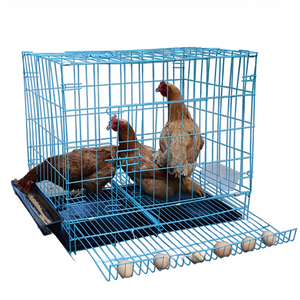
Understanding the Portable Chicken Cage Revolution
The portable chicken cage market has fundamentally changed how both backyard enthusiasts and commercial poultry producers manage their flocks. These mobile housing solutions deliver unmatched flexibility, allowing chickens to graze on fresh grass while remaining secure and comfortable. Unlike traditional stationary coops, portable chicken cages merge the advantages of free-range farming with the biosecurity and organizational control of confined systems. Rising interest in sustainable agriculture and self-sufficient living has quickly elevated portable poultry housing from a niche hobby item to a mainstream necessity for farmers of all scales.
Modern portable designs solve persistent problems that fixed coops simply cannot address. They enable rotational grazing, which prevents soil nutrient depletion and reduces parasite loads while giving birds access to insects, fresh vegetation, and natural foraging behaviors. This mobility lets you relocate your flock away from muddy zones during wet seasons, position them strategically to fertilize garden beds, or protect vulnerable landscaping from scratching. Such adaptability makes portable cages especially valuable for small-scale operations where maximizing multi-purpose land use is essential.
The evolution of portable chicken housing mirrors broader shifts toward ethical food production and transparent supply chains. As consumers increasingly demand organic eggs, humanely raised poultry, and direct connections to their food sources, these mobile structures offer a practical bridge between industrial operations and completely unmanaged free-range setups. Whether you are raising laying hens, processing meat birds, or maintaining ornamental breeds, selecting the right portable cage system supports animal welfare, maintains strict biosecurity, and aligns with your specific agricultural goals.
Key Benefits of Using a Portable Chicken Cage System
Improved Pasture Management and Soil Health
Portable chicken cages excel at distributing manure evenly across your property instead of creating concentrated waste hotspots. When birds stay in one location, nitrogen-heavy droppings can actually burn soil and damage turf through over-fertilization. Moving a portable chicken cage every few days spreads this nutrient-rich resource uniformly, turning your flock into an efficient land-management tool. Chickens consume weed seeds, excess vegetation, and pests while depositing manure loaded with nitrogen, phosphorus, and potassium. This natural fertilization cycle significantly cuts or eliminates the need for synthetic inputs, fostering healthier pastures and more sustainable growing practices.
- Rotational grazing gives vegetation time to recover between visits, stimulating root growth without damaging plant structures.
- Mimics wild bird migration patterns, leading to more resilient turf and diverse ground cover.
- Agricultural studies show properly managed poultry rotation can boost pasture productivity by 25–40% compared to continuous grazing.
- Enhanced soil structure and microbial activity create a regenerative cycle that improves land quality season after season.
Disease Prevention and Parasite Control
One of the strongest health advantages of portable chicken cages lies in breaking parasite life cycles and limiting disease transmission. Fixed-location flocks inevitably accumulate coccidia, roundworms, and other pathogens in the soil and deep bedding. These organisms survive for months, continuously reinfecting birds and often requiring medication. Regularly moving chickens to fresh ground interrupts this cycle because most poultry parasites cannot survive long without a host. By the time you return to a previously grazed area—usually after several weeks—natural die-off and lack of hosts have drastically reduced pathogen loads.
Portable systems also prevent the ammonia and bacterial buildup common in permanent coops with stagnant deep litter. High ammonia concentrations stress respiratory systems and encourage airborne illnesses. Consistent airflow around mobile cages, combined with frequent moves to clean soil, keeps harmful gas levels negligible. The resulting reduction in disease pressure means healthier birds, lower mortality, fewer veterinary bills, and minimized reliance on antibiotics. For organic producers, managing health through environment rather than medication is crucial for certification compliance and consumer trust.
Flexibility and Space Optimization
A portable chicken cage design offers unmatched versatility for utilizing property throughout the year. During spring and summer, position cages in orchards to suppress pests and fertilize fruit trees. In autumn, move them across garden beds to consume crop residue, eat insect larvae, and prepare soil for winter planting. Winter setups should prioritize sheltered, south-facing locations, while rainy periods demand elevated, well-drained ground. This seasonal adaptability allows you to integrate chickens seamlessly into diverse farming activities rather than treating them as isolated elements.
Space optimization extends to temporary projects and compact properties. Mobile cages work exceptionally well for raising meat birds for just 8–12 weeks before processing, eliminating the need for permanent infrastructure dedicated to short-term use. After broilers finish, that ground can transition to vegetable plots, additional laying hen rotation, or other uses. Small-property owners benefit greatly from this approach, keeping poultry without permanently sacrificing valuable yard space. Even community gardeners or apartment dwellers with shared outdoor access successfully use portable cages for seasonal egg production.
Types of Portable Chicken Cage Designs
Chicken Tractors
Chicken tractors are the most widely used portable cage style, named for their ability to “till” soil as birds scratch and forage. These bottomless frames, typically built from wood or PVC pipe with wire mesh sides and weather-resistant roofs, sit directly on the ground. Models range from compact A-frame units housing 3–4 birds to larger designs accommodating 20 or more. The open floor gives chickens direct access to grass, insects, and topsoil while their scratching naturally aerates and fertilizes the land. Most tractors include a small enclosed roosting area for nighttime safety against predators and harsh weather.
The primary advantage of chicken tractors is their simplicity and proven effectiveness for pasture-based systems. Basic models require minimal carpentry skills and readily available materials, keeping startup costs low. Moving the tractor daily or every other day prevents overgrazing and ensures constant foraging opportunities. Limitations include potential sinking in soft, wet soil and the physical effort required to move heavier models alone. Predator security also varies by build quality, as light frames may allow digging or tearing. Despite these considerations, tractors remain a top choice for backyard flocks due to their excellent performance, straightforward operation, and strong value proposition.
Mobile Coops on Wheels
For keepers seeking easier mobility and sturdier construction, wheeled mobile coops offer significant upgrades over traditional tractors. Elevated structures equipped with wheels or skids allow one or two people to reposition substantial weight across varied terrain with far less strain than dragging a floorless frame. The raised floor improves drainage, simplifies cleaning, and deters burrowing predators like foxes and rats. Many wheeled coops feature integrated nesting boxes, ergonomically placed roosting bars, and external access doors for convenient egg collection and maintenance.
Commercial mobile coops often incorporate professional-grade details such as galvanized steel frames, corrugated metal roofing, multiple entry points, removable dropping boards, and built-in storage. While premium models range from $500 to $3,000, their durability and convenience justify the investment for serious poultry keepers. DIY builders frequently repurpose livestock panels, recycled lumber, and salvaged hardware to create custom wheeled coops at a fraction of retail prices. These systems perform best for larger flocks of 15–30 birds and situations requiring longer relocation distances. The elevation also makes them ideal for areas with high water tables or frequent rainfall, where ground-contact designs would quickly become muddy and unsanitary.
Modular and Expandable Systems
Modular portable chicken cage systems push flexibility further by allowing you to adjust size and layout as your flock grows or your needs shift. These designs typically use standardized panels that connect together, enabling you to start small and add sections later. Some modular setups separate daytime runs from nighttime housing, offering configuration options for different purposes. This expandability is particularly valuable for beginners who want to test the waters without committing to oversized or undersized infrastructure.
- Disassemble sections for thorough cleaning, replace damaged panels individually, and reconfigure layouts to match changing property conditions.
- Use multiple smaller units to manage breeding projects, quarantine new arrivals, or isolate aggressive birds from the main flock.
- Higher upfront cost per square foot compared to basic tractors, but superior longevity and adaptability often yield better long-term returns.
Choosing the Right Portable Chicken Cage for Your Needs
Flock Size Considerations
Selecting the correct portable chicken cage dimensions starts with understanding space requirements per bird. Standard laying hens need a minimum of 2–3 square feet inside the enclosed roosting area and 8–10 square feet in the outdoor run. Bantams require less space, while larger meat breeds need more. These minimums ensure adequate resting room, reduce aggression from overcrowding, and maintain sanitary conditions. However, providing extra space consistently results in calmer birds, better production rates, and fewer behavioral issues.
Plan for anticipated growth over the next two to three years rather than just current numbers. Most keepers expand their flocks as experience builds, and designing for 12 birds when you currently have six prevents costly immediate upgrades. Conversely, massively oversizing for a small flock creates inefficiency, as you will move unnecessary weight and birds