Best Portable Chicken Coops: Complete Buying Guide for Backyard Poultry Success
The backyard chicken movement has surged in recent years as homeowners increasingly embrace sustainable living and fresh egg production. At the foundation of successful poultry keeping lies one critical decision: selecting the right housing for your flock. Portable chicken coops have revolutionized small-scale farming by delivering flexibility, improved bird health, and simplified maintenance compared to traditional stationary structures. Whether you are raising your first flock or upgrading an existing setup, understanding mobile coop systems will significantly impact both your success and your birds’ wellbeing.
Unlike permanent structures that demand substantial investment and tie you to a single location, portable chicken coops give you the freedom to rotate your flock across different areas of your property. This rotation mimics natural foraging behaviors while preventing soil depletion and parasite accumulation that commonly affect stationary coops. Responding to growing demand, manufacturers now offer everything from lightweight hoop designs to heavy-duty wheeled units with integrated runs. Making an informed choice requires evaluating your specific needs, local climate, predator pressure, and long-term flock management goals.
Understanding Portable Chicken Coops: Features and Benefits
Portable chicken coops represent a fundamental shift in how backyard farmers manage poultry. These mobile structures combine housing and often an enclosed run into a single unit that can be relocated with minimal effort. The core design principle centers on pasture rotation, a practice professional farmers have used for generations to maintain healthy soil and reduce disease pressure. By relocating your chickens to fresh ground every few days or weeks, you essentially reset their environment. They gain access to new insects, fresh vegetation, and untouched soil, while previously occupied areas recover and regenerate.
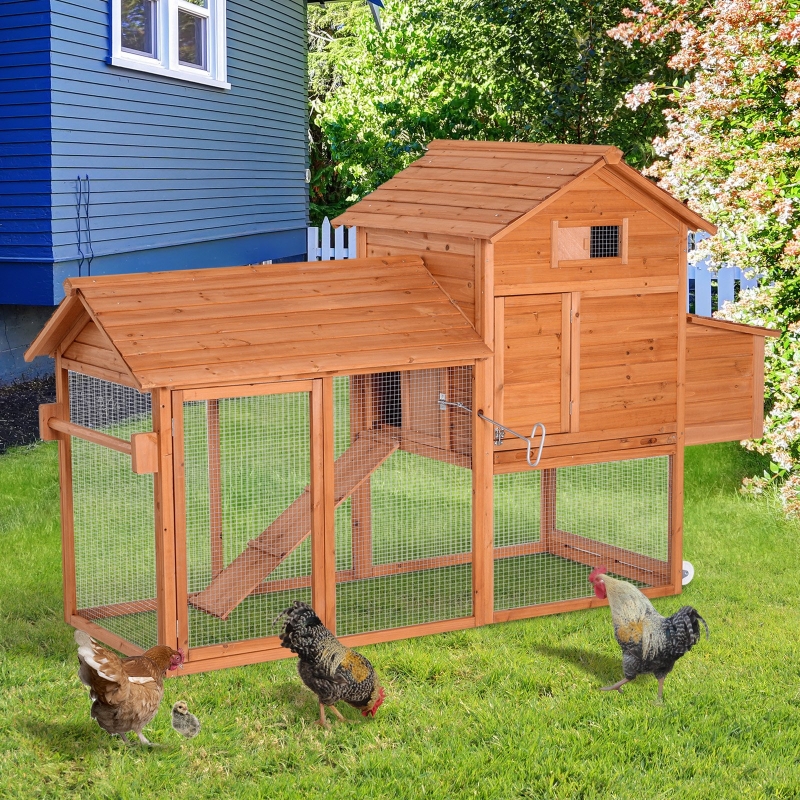
Quality portable chicken coops typically utilize lightweight yet durable materials such as pressure-treated lumber, hardware cloth, and weather-resistant roofing. Weight is a critical design factor; the structure must be heavy enough to resist wind and deter predators, yet light enough for one or two people to move manually. Modern designs frequently feature integrated wheels, skids, or handles strategically placed to facilitate relocation. The enclosed run, usually covered with secure wire mesh, provides supervised outdoor access while protecting birds from aerial and ground threats. This combination of shelter and protected outdoor space addresses the dual needs of security and environmental enrichment essential for healthy, productive flocks.
Key advantages of portable chicken coops include:
- Improved flock health through reduced exposure to accumulated waste and parasites
- Better pasture management by naturally distributing manure across your property
- Flexible positioning for optimal sun exposure and weather protection
- Easier cleaning since droppings spread across multiple locations instead of concentrating in one spot
- Fresh forage access that provides supplemental nutrition and mental stimulation
- Reduced feed costs as chickens consume insects, grass, and natural food sources
- Zoning compliance in areas where permanent structures face legal restrictions
- Experimental placement options allowing you to test different locations before committing to a permanent setup
The biological benefits of regular coop relocation cannot be overstated. Research indicates that parasite loads, particularly coccidia and intestinal worms, decrease significantly when chickens regularly access fresh ground. While concentrated nitrogen in chicken manure serves as excellent fertilizer, leaving it in one location too long can burn vegetation and create toxic buildup. Relocating your portable coop prevents accumulation while distributing valuable nutrients across your landscape. Many homesteaders strategically move their coops ahead of planting season, using their birds as natural preparation tools that fertilize, aerate, and clear weeds through scratching and pecking.
Types of Portable Chicken Coops for Different Needs
Chicken Tractors: The Original Mobile Coop Design
Chicken tractors pioneered the mobile coop concept and remain the most recognized style among backyard farmers. These bottomless structures feature an elongated rectangular design, typically measuring four to ten feet long and two to four feet wide, with an enclosed sleeping area at one end and an open wire-covered run extending from it. The name reflects their soil cultivation function; as chickens scratch, peck, and fertilize, they effectively till and prepare the ground beneath them. Traditional models sit directly on the grass with no floor in the run section, allowing direct ground contact while keeping birds safely contained. Moving them daily or every few days creates a rotating pattern that maximizes both chicken wellbeing and pasture health.
The classic A-frame chicken tractor offers exceptional stability and simplicity. Its triangular profile sheds rain and snow effectively while providing ample headroom for larger breeds. Construction typically involves a wooden frame covered with hardware cloth on the sides and corrugated metal or shingles on the roof. These units work exceptionally well for small flocks of two to four chickens, with most measuring four by eight feet, a size manageable for one person to relocate. The enclosed nesting and roosting area occupies roughly one-third of the footprint, leaving two-thirds as covered run space. This configuration strikes an ideal balance between protection and outdoor access, making it highly suitable for suburban settings.
Wheeled Coops: Convenience Meets Functionality
Wheeled portable chicken coops have gained tremendous popularity due to their ease of movement and accessibility. These structures mount on sturdy wheels, usually two or four, transforming relocation from a lifting task into a simple pulling or pushing motion. Quality wheeled designs incorporate pneumatic tires rather than solid plastic wheels, providing better performance on uneven terrain and preventing frame stress caused by rigid wheels. Wheel assemblies typically feature locking mechanisms to prevent unwanted movement during high winds or interior cleaning. This design particularly appeals to keepers with mobility concerns, larger properties, or heavier structures that would otherwise require multiple people to move.
Construction quality varies widely in this category. Budget models often feature undersized wheels that sink into soft ground, creating frustrating movement difficulties. Premium designs address this through larger diameter wheels, reinforced axle mounts, and proper weight distribution. Handle placement significantly impacts usability; ergonomically positioned handles at the correct height reduce strain and provide better leverage. Many wheeled coops incorporate a hybrid design where the wheels lift the entire structure several inches off the ground, creating a mobile raised coop. This elevation improves ventilation, protects against ground moisture, and enhances predator-proofing since most ground predators struggle with elevated entries.
Hoop House Style Portable Coops
Hoop house or ark-style portable chicken coops feature distinctive curved roofs created by bending PVC pipe or metal conduit over a rectangular base. Borrowed from agricultural greenhouse construction, this design offers exceptional internal space efficiency since curved walls eliminate dead space found in angular corners. The smooth arch deflects wind extremely effectively, making these structures particularly suitable for exposed locations. Most hoop coops utilize a combination of materials: treated wood for the base frame, bent tubing for the hoops, tarps or greenhouse plastic for the covering, and hardware cloth for enclosed areas requiring visibility and ventilation.
The lightweight nature of hoop house designs, often weighing fifty to one hundred pounds less than comparable wooden structures, makes them incredibly easy to relocate. Two people can typically move an eight-foot hoop coop without significant effort, and some compact designs allow single-person relocation. The flexible tubing construction provides surprising durability, as material flexibility increases resilience against impact and stress. However, these designs require careful anchoring, as their light weight and large surface area make them susceptible to wind uplift. Experienced users often add temporary ground stakes or sandbags during extended windy periods. Translucent coverings create a bright, naturally lit interior that chickens find attractive while reducing the need for supplemental daytime lighting.
Walk-In Portable Chicken Coops
For larger flocks or keepers who prioritize easy access, walk-in portable chicken coops represent the premium category. These structures provide sufficient interior height, typically five and a half to six and a half feet, allowing humans to stand comfortably inside. Cleaning, egg collection, health checks, and general maintenance become straightforward tasks rather than awkward contortions required in low-profile designs. The additional height accommodates proper roosting bar installation at appropriate elevations, supporting chickens’ natural instinct to roost as high as possible for security.
The trade-off for this convenience comes in weight and complexity. Walk-in portable chicken coops typically weigh three hundred to five hundred pounds depending on materials, requiring heavy-duty wheel systems, multiple movers, or sometimes small utility vehicles for relocation. Many designs address this through modular construction where the main coop and attached run separate for movement, then reconnect at the new location. Despite their weight, these structures offer unmatched versatility for mixed-age flocks, broody hen management, and introducing new birds, scenarios where multiple internal spaces and easy intervention access substantially improve management success.
Essential Features to Look for in Portable Chicken Coops
Size and Capacity Considerations
Determining appropriate coop size represents perhaps the most critical decision in your selection process. Industry recommendations typically suggest four square feet of interior coop space per chicken for sleeping quarters, and an additional eight to ten square feet per chicken in the covered run if birds will spend extended time confined. These represent absolute minimums; providing more space invariably results in healthier, less stressed birds with fewer behavioral problems. Overcrowding triggers negative consequences including feather pecking, egg eating, reduced egg production, increased disease transmission, and elevated stress hormones that compromise immune function.
When