Portable Diesel Heater: Ultimate Heating Solution for Any Adventure
When temperatures drop in remote locations, a portable diesel heater becomes an essential piece of equipment. Unlike traditional systems that rely on electrical hookups or constant propane refills, diesel-powered units deliver exceptional efficiency and complete independence. These compact heating solutions have transformed how outdoor enthusiasts, contractors, and RV travelers maintain comfortable temperatures in challenging conditions. Whether you are planning a winter camping trip, working in an unheated workshop, or traveling in a camper van, understanding the capabilities and advantages of these systems will significantly enhance your cold-weather experiences.
What Sets Portable Diesel Heaters Apart?
Portable diesel heaters operate on a fundamentally different principle than propane, electric, or kerosene alternatives. These units burn diesel fuel inside a closed combustion chamber, extracting maximum heat energy while minimizing fuel waste. The fuel is atomized and burned efficiently within an isolated chamber, warming air through a heat exchanger without introducing combustion byproducts into your breathing space. This design vents carbon monoxide and exhaust gases outside through a dedicated pipe, making diesel heaters significantly safer for enclosed environments than open-flame options.
The primary advantage lies in fuel efficiency and runtime. Diesel contains approximately 35-40 megajoules of energy per liter, which is substantially higher than propane or gasoline. This high energy density allows a portable diesel heater to run for 8 to 24 hours on a single tank, depending on the output setting and tank size. Modern models typically consume between 0.1 and 0.5 liters per hour, making them highly economical for extended use. Additionally, diesel fuel remains stable longer than gasoline, does not require pressurized containers like propane, and is widely available at stations worldwide.
How Diesel Heaters Work: The Technology Behind the Warmth
Modern portable diesel heaters use sophisticated engineering to maximize both efficiency and safety. The heating cycle starts when the internal fuel pump draws diesel from a tank and delivers it to the combustion chamber via precision metering systems. An electronically controlled glow plug ignites the fuel, reaching temperatures over 1000°F. The combustion chamber is specifically designed to extract maximum heat while keeping interior air completely separate from exhaust gases, ensuring you only breathe clean, warmed air.
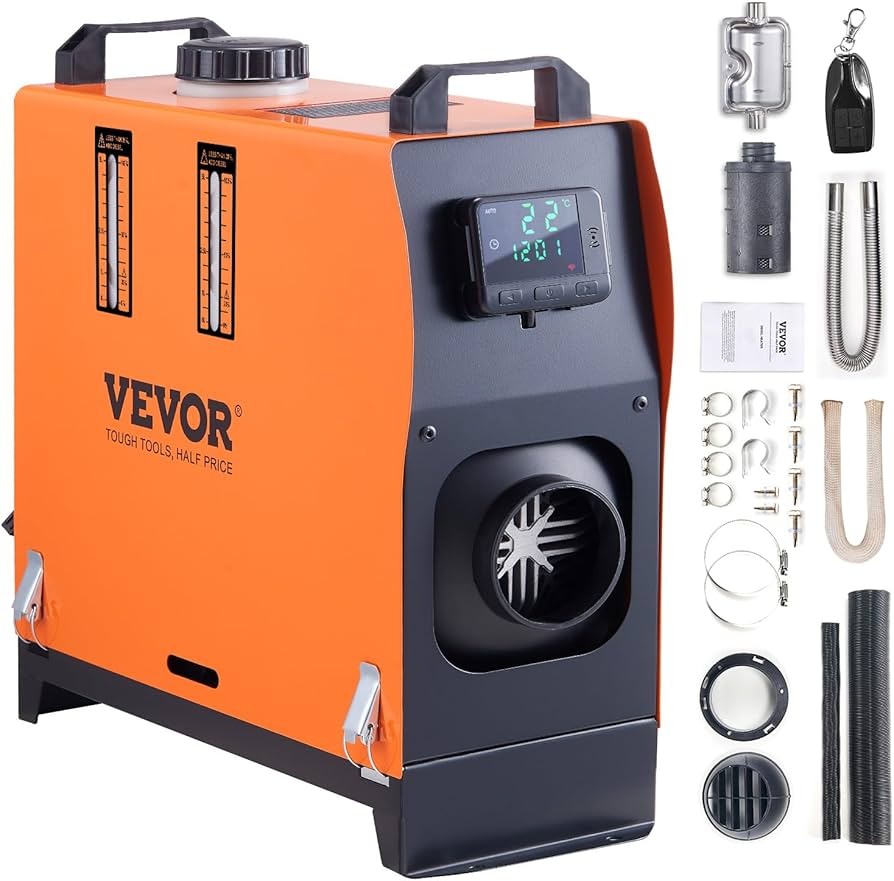
The heat exchanger is the core component driving efficiency. As hot exhaust travels through metal fins and tubes, a separate fan circulates ambient air across these heated surfaces. This forced-air system rapidly distributes warmth throughout your space without mixing breathable air with combustion fumes. Advanced models include altitude compensation sensors, automatic ignition sequences, and overheat protection. Premium control boards feature programmable thermostats, multiple heat settings ranging from 1kW to 8kW, and digital displays tracking real-time temperature, fuel usage, and system status.
Key Benefits of Choosing a Portable Diesel Heater
Exceptional Fuel Efficiency and Economy
One of the most compelling reasons to choose a portable diesel heater is its remarkable fuel economy. Compared to propane heaters that burn 1-3 pounds per hour for similar heat output, diesel heaters typically use 0.1-0.3 liters per hour on low settings and 0.3-0.6 liters per hour on high settings. This translates to operating costs of roughly $0.30-$2.00 per hour, depending on local diesel prices and heat requirements. For an 8-hour overnight camper van session, fuel costs might total just $2.40-$4.80, whereas a comparable propane system could cost $8-$15 for the same period.
Economic benefits extend beyond immediate fuel expenses. Diesel fuel remains stable for 6-12 months when treated with stabilizers, unlike propane’s pressure concerns or gasoline’s 3-6 month shelf life. Many users report annual heating costs dropping by 40-60% after switching to diesel. Furthermore, diesel heaters perform consistently across temperatures from -40°F to 105°F, while propane efficiency drops significantly in extreme cold as tank pressure falls. This reliability makes portable diesel heating ideal for winter camping, ice fishing shelters, and cold-climate worksites.
Versatility Across Multiple Applications
Portable diesel heaters excel in diverse environments. RV and camper van owners represent the largest user group, benefiting from reliable warmth without draining house batteries or requiring shore power. A typical 2kW unit draws only 1-3 amps (20-36 watts), making it fully compatible with solar setups and enabling multi-day off-grid camping. Most units measure 13-17 inches long, 6-8 inches wide, and 5-7 inches tall, allowing discreet installation under seats, in compartments, or on vehicle frames.
Construction and agricultural workers use these heaters to maintain productivity in unheated buildings. A 5kW model can effectively warm a 400-600 square foot workspace, keeping tools functional and preventing material freezing down to -20°F. Truck drivers utilize them for sleeper cab heating during rest stops without idling engines, potentially saving $2000-$5000 annually in fuel costs. Boat owners install marine-grade versions for cabin comfort during shoulder seasons. Emergency preparedness advocates value them for home backup heating during grid failures, while ice fishing guides, hunters, and event coordinators all benefit from their portability and power.
Comparing Popular Portable Diesel Heater Models
- 2kW Compact: 2,000 watts output, 0.1-0.25 L/hr consumption, 5-10 liter tank, covers 150-200 sq ft, priced $150-$300.
- 5kW Standard: 5,000 watts output, 0.2-0.5 L/hr consumption, 10-25 liter tank, covers 400-600 sq ft, priced $200-$450.
- 8kW Heavy-Duty: 8,000 watts output, 0.3-0.8 L/hr consumption, 15-35 liter tank, covers 600-1000 sq ft, priced $350-$700.
Selecting the right model requires matching power output to your space. Two-kilowatt units suit small camper vans, truck sleepers, and ice fishing shelters up to 200 square feet. These entry-level models usually feature simpler controls, single-speed fans, and basic thermostats, ideal for maintaining temperatures 20-30°F above ambient in well-insulated areas. Mid-range 5kW heaters offer the best balance for most users, providing enough power for larger RVs, work trailers, and small workshops while keeping fuel use reasonable. These typically include variable heat output, programmable timers, and remote controls.
Heavy-duty 8kW systems tackle serious heating challenges in larger spaces, poorly insulated structures, or extreme cold. Professional contractors favor these powerful units for construction trailers, agricultural buildings, and emergency applications. Premium models add advanced features like LCD exhaust temperature displays, automatic altitude adjustment, smartphone app connectivity, and diagnostic systems. Some high-end units support dual-fuel operation (diesel and kerosene) or integrate built-in tanks versus external connections. Consider installation complexity, mounting space, and power needs when choosing between integrated and modular systems.
Installation Considerations and Setup Requirements
Proper installation demands careful attention to ventilation, fuel delivery, and electrical connections. The exhaust system is the most critical safety component. Combustion gases must vent outside through approved piping, typically 24mm stainless steel tubing. Exhaust pipes should exit through walls, floors, or vehicle underbodies using proper insulation and fire-safe grommets. Most setups require 12-18 inches of pipe extending beyond the structure to prevent exhaust recirculation. Always position the outlet away from air intakes, windows, and high-traffic areas.
Air intake systems also require thoughtful planning. While some models draw combustion air from inside, superior installations use external intakes to completely isolate combustion from living spaces. This setup prevents oxygen depletion and backdrafting. Mount the heater securely on vibration-dampening pads if installing in vehicles, maintaining 4-6 inches of clearance from combustible materials. Use automotive-grade fuel injection hose with proper fittings, protecting lines from abrasion and heat. Electrical connections need properly fused circuits—2kW units typically require 5-amp fuses, while 5kW systems need 10-15 amp protection. Quality installations include emergency shutoff switches and correct wire gauges to prevent voltage drop.
Safety Features and Operational Precautions
Modern portable diesel heaters incorporate multiple safety mechanisms to prevent hazardous situations. Overheat protection sensors monitor exhaust and internal temperatures, automatically shutting down the unit if thresholds are exceeded (usually 250-300°F for exhaust). Flame-out detection verifies proper combustion; if the flame extinguishes unexpectedly, the control board initiates a cooling cycle and shutdown to prevent unburned fuel accumulation. Low voltage protection stops operation when battery power