Portable Product Guides for Life AnywhereBuying Guides · Comparisons · How-To
Portable GuideOther Portable

Portable Fuel Tank with Pump: Your Complete Buying and Usage Resource

Why You Need a Portable Fuel Tank with Pump When you’re managing equipment in remote locations, operating a boat, or maintaining a fleet of vehicles, […]
Portable Fuel Tank with Pump

Why You Need a Portable Fuel Tank with Pump

When you’re managing equipment in remote locations, operating a boat, or maintaining a fleet of vehicles, having a reliable portable fuel tank with pump becomes not just convenient but essential. These versatile fuel storage solutions combine mobility with efficient fuel transfer capabilities, eliminating the need for manual siphoning or time-consuming refueling trips. Unlike traditional jerry cans that require tilting and pouring, a portable fuel tank with an integrated pump system delivers fuel quickly, safely, and with minimal spillage.

The market for portable fuel storage has evolved significantly over the past decade, with manufacturers now offering sophisticated pumping systems that rival fixed installations in performance while maintaining complete portability. Whether you’re a contractor moving between job sites, a marine enthusiast requiring reliable fuel storage for extended trips, or a farm operator needing to refuel equipment in the field, understanding the features and capabilities of modern portable fuel tanks with pumps will help you make an informed investment. This comprehensive guide explores everything from capacity considerations and pump types to safety regulations and maintenance best practices, ensuring you select the right solution for your specific needs.


Understanding Portable Fuel Tank with Pump Systems

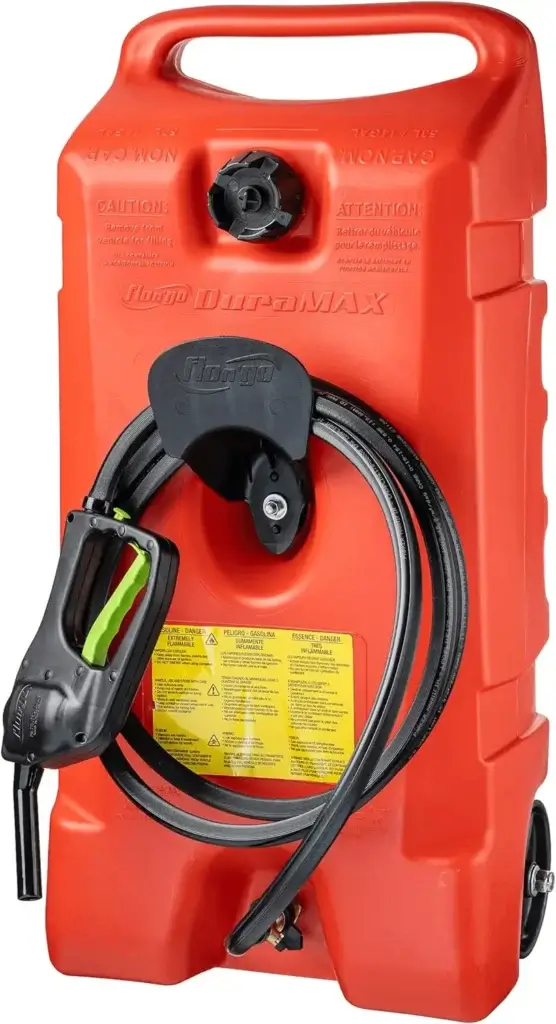
A portable fuel tank with pump represents an integrated fuel storage and transfer system designed for mobility and convenience. These units typically consist of a fuel-safe container constructed from high-density polyethylene (HDPE) or steel, paired with either a manual or electric pump mechanism. The engineering behind these systems focuses on three critical elements: durability to withstand transportation and outdoor conditions, safety features that prevent leaks and comply with regulatory standards, and pump efficiency that enables rapid fuel transfer without compromising fuel quality.

Table of Contents

Modern portable fuel tanks with pumps range from compact 15-gallon models suitable for personal watercraft to industrial-grade 100-gallon units designed for commercial operations. The pump integration distinguishes these systems from standard fuel containers by incorporating specialized components including fuel-resistant hoses, automatic shut-off nozzles, and flow meters for accurate dispensing. Many contemporary models feature EPA and CARB compliance certifications, ensuring they meet stringent environmental and safety standards. The convenience factor extends beyond simple fuel transfer—these systems enable users to establish temporary refueling stations anywhere, reducing downtime and increasing operational efficiency across numerous applications from construction sites to agricultural operations.


Key Benefits of Using a Portable Fuel Tank with Pump

Operational Efficiency and Time Savings

Investing in a quality portable fuel tank with pump delivers substantial time savings compared to traditional refueling methods. Electric pump systems can transfer fuel at rates between 10 to 15 gallons per minute, meaning you can refill a standard vehicle tank in approximately two minutes rather than the ten to fifteen minutes required for manual pouring. This efficiency multiplies across multiple pieces of equipment, potentially saving hours each week for businesses operating machinery fleets. The convenience of on-site refueling eliminates travel time to fuel stations, which for remote operations can represent 30-60 minutes per trip when accounting for round-trip distance and waiting time at commercial pumps.

Cost Management and Budget Control

Purchasing fuel in bulk and storing it in portable tanks typically reduces per-gallon costs by 10-20% compared to retail gas station prices. Businesses can leverage wholesale fuel purchasing agreements and strategic buying during price dips, capabilities impossible with pay-as-you-go retail fueling. The ability to monitor fuel consumption through metered dispensing also provides valuable data for budgeting and identifying inefficient equipment. Farm operations report saving $2,000-$5,000 annually by switching from retail fueling to bulk purchasing with portable tank storage, while construction companies document similar savings when servicing equipment fleets of five or more units.

Enhanced Safety and Environmental Protection

Modern portable fuel tanks with integrated pumps incorporate multiple safety features that significantly reduce spill risks compared to manual fuel handling. Automatic shut-off nozzles prevent overfilling, while grounded pumping systems eliminate static electricity hazards that can cause ignition. Sealed tank designs with pressure-relief valves prevent vapor buildup while containing fumes that would otherwise escape during manual pouring. These safety enhancements protect workers, reduce environmental contamination, and ensure compliance with increasingly stringent fuel handling regulations. Insurance providers often recognize these safety improvements with reduced premium rates for businesses using certified portable fuel storage systems.


Types of Portable Fuel Tank with Pump Configurations

Electric Pump Systems

Electric-powered portable fuel tank with pump configurations represent the most popular choice for users requiring frequent, high-volume fuel transfers. These systems utilize 12-volt DC pumps that connect to vehicle batteries or 110-volt AC pumps for stationary applications with electrical access. Electric pumps deliver flow rates typically ranging from 8 to 20 gallons per minute depending on pump horsepower and nozzle diameter. The primary advantage lies in effortless operation—users simply activate a switch and monitor the fill process without physical exertion. Premium electric systems incorporate digital meters that track total gallons dispensed, providing accurate consumption records essential for business accounting and equipment monitoring.

The technology behind electric fuel pumps includes rotary vane mechanisms or gear-driven systems that create suction and pressure to move fuel through the delivery hose. Quality electric pumps feature explosion-proof motors and sealed electrical connections to prevent spark risks in fuel vapor environments. Battery-powered portable tanks offer exceptional flexibility for remote locations without electrical infrastructure, with some models providing sufficient power for 100+ gallons on a single vehicle battery charge. The investment in electric pump systems typically ranges from $400 to $1,500 depending on capacity and features, with commercial-grade units commanding premium prices but delivering superior longevity and warranty coverage.

Manual Pump Options

Manual pump portable fuel tanks provide an economical alternative for users with lower-volume needs or those seeking backup systems for emergency situations. These configurations utilize hand-operated rotary pumps or lever-action mechanisms that transfer fuel through manual effort, achieving flow rates between 2 to 8 gallons per minute depending on pumping vigor and system design. While requiring physical work, manual pumps offer complete independence from electrical power sources and contain fewer mechanical components that might fail, enhancing reliability for intermittent use scenarios. Agricultural operations and recreational users often prefer manual systems for seasonal equipment or boats that require refueling only occasionally.

The construction of manual fuel pumps typically employs cast iron or aluminum housings with internal impellers or piston mechanisms that create flow with each pump stroke. Quality manual systems feature smooth action with minimal resistance, reducing fatigue during extended pumping sessions. The simplicity of manual pumps translates to minimal maintenance requirements—occasional lubrication and seal inspection represent the primary upkeep tasks. Price points for manual pump portable fuel tanks range from $150 to $500, making them accessible for budget-conscious buyers. However, users should realistically assess their fueling frequency and volume requirements, as the physical demands of manual pumping can become burdensome with regular use or large-capacity tanks.


Capacity Considerations: Choosing the Right Size Portable Fuel Tank with Pump

Selecting appropriate capacity for your portable fuel tank with pump requires careful analysis of your specific usage patterns, storage capabilities, and regulatory constraints. Tank sizes typically range from 15 gallons for personal use up to 110 gallons for commercial applications, with popular mid-range options at 30, 50, and 65 gallons addressing most user needs. The capacity decision involves balancing convenience against portability—larger tanks reduce refilling frequency but increase weight and handling difficulty. A 30-gallon gasoline tank weighs approximately 200 pounds when filled, while a 100-gallon unit exceeds 650 pounds, necessitating vehicle or trailer transport rather than manual handling.

Usage frequency represents the primary capacity determinant. Recreational boat owners refueling once per weekend typically find 30-40 gallon tanks sufficient, providing 2-3 fill-ups between refills. Contractors operating multiple pieces of equipment daily often require 65-110 gallon capacities to minimize bulk fuel purchasing trips while maintaining 2-3 weeks of operating supply. Agricultural operations may deploy multiple portable tanks of varying sizes—smaller units for field equipment and larger tanks for central storage at maintenance facilities. Regulatory considerations also influence capacity choices, as tanks exceeding 119 gallons often trigger additional permitting requirements and fire safety regulations. Most users find optimal balance with 50-65 gallon capacities, offering substantial fuel storage while remaining manageable for typical pickup truck bed transport.

Tank Capacity Typical Applications Filled Weight Vehicles Serviced per Fill Price Range
15-25 gallons Personal watercraft, lawn equipment 100-165 lbs 1-2 vehicles $200-$400
30-40 gallons Small boats, farm equipment 200-265 lbs 2-4 vehicles $350-$600
50-65 gallons Contractor trucks, medium fleets 330-430 lbs 4-6 vehicles $500-$900
75-110 gallons Commercial operations, large fleets 495-725 lbs 6-10 vehicles $800-$1,500

Essential Features to Look for in a Portable Fuel Tank with Pump

Pump Specifications and Performance

The pump component of your portable fuel tank with pump directly impacts operational efficiency and user satisfaction. Flow rate specifications deserve primary attention—electric pumps should deliver minimum 10 gallons per minute for practical use, with premium units reaching 15-20 GPM for commercial applications. Pump duty cycle ratings indicate continuous operation capability, with quality units supporting 30-60 minutes of uninterrupted pumping necessary for depleting large tanks. Self-priming capability enables pumps to initiate fuel flow without manual priming procedures, essential for user-friendly operation. Look for pumps with replaceable components including impellers, seals, and motors, as these serviceability features extend system lifespan and reduce long-term costs compared to sealed units requiring complete replacement upon failure.

Tank Construction and Durability

Tank material and construction quality determine longevity and safety performance over years of use. High-density polyethylene (HDPE) tanks offer corrosion resistance, lighter weight, and translucent construction allowing fuel level visibility, making them ideal for occasional use and mobile applications. Steel tanks provide superior puncture resistance and UV protection, preferred for heavy commercial use and permanent installations despite increased weight. Wall thickness significantly affects durability—quality polyethylene tanks feature 0.25-inch minimum wall thickness, while steel tanks should utilize 16-gauge or thicker material. Reinforced corners, protective bases, and impact-resistant designs indicate manufacturer attention to real-world durability requirements. UV-resistant additives in plastic tanks prevent degradation from sun exposure, critical for outdoor storage extending beyond occasional use.

Safety and Compliance Features

Regulatory compliance and safety features separate quality portable fuel tanks with pumps from basic alternatives that may create liability risks. EPA and CARB certifications ensure tanks meet federal and California environmental standards, increasingly important as states adopt stricter fuel storage regulations. Safety features should include pressure-relief valves preventing tank rupture from thermal expansion, grounded pump systems eliminating static electricity hazards, and automatic shut-off nozzles preventing overfills and spills. Flame arrestors in fill openings prevent flashback ignition, while internal baffles reduce sloshing during transport that can affect vehicle stability. Quality manufacturers provide detailed compliance documentation and safety certifications, offering liability protection for business users and peace of mind for personal use.


Top Applications for Portable Fuel Tank with Pump Systems

Marine and Boating Operations

Boaters represent one of the largest user groups for portable fuel tanks with pumps, utilizing these systems to extend cruising range and reduce dependency on expensive marina fuel stations. Auxiliary fuel storage enables extended offshore trips and access to remote anchorages impossible with standard boat tank capacity alone. Portable tanks also serve as emergency backup fuel supplies, providing security during unexpected delays or when encountering closed fuel docks.

Many sailors and powerboaters purchase fuel at lower-cost inland gas stations, transporting it to marina locations in portable tanks and saving 20-40% compared to waterfront fuel prices. The convenience of dock-side refueling with integrated pumps eliminates the need to maneuver boats to fuel stations during busy weekends, reducing waiting time and navigation risks in crowded harbor areas.

Construction and Contractor Operations

Construction companies and independent contractors achieve significant operational advantages using portable fuel storage systems on job sites. Equipment fleets including excavators, generators, compressors, and vehicles require regular refueling that traditionally demands worker time traveling to fuel stations or fuel delivery services with minimum order requirements and scheduling delays. An on-site portable fuel tank with pump transforms any location into a self-sufficient fueling station, enabling quick refills during breaks without productivity loss.

Suggested read: Portable Gas Tank With Pump: Your Ultimate Solution for Fuel Storage and Transfer

Contractors report reducing equipment downtime by 15-25% after implementing portable fuel systems, as operators refuel machines during natural work pauses rather than dedicating specific trips for fueling. The ability to purchase bulk fuel during price dips and transport it to multiple job sites provides cost control impossible with retail station dependency.

Agricultural and Farm Use

Farm operations encompass diverse equipment requiring fuel accessibility across expansive properties where fixed fuel stations prove impractical. Tractors, harvesters, irrigation pumps, and utility vehicles operating in remote fields benefit enormously from portable fuel tank with pump deployment at strategic locations. Farmers commonly position multiple portable tanks throughout properties, reducing travel time from fields to central refueling points that can represent 20-30 minutes per trip across large operations.

Seasonal farming activities with intense equipment use during planting and harvest periods demand reliable fuel supply systems that portable tanks provide without the substantial investment required for fixed tank installations. Many agricultural users maintain portable tanks year-round, relocating them between fields according to seasonal work patterns and maximizing operational efficiency throughout growing cycles.


Portable Fuel Tank with Pump vs. Fixed Fuel Storage Systems

Understanding the distinctions between portable and fixed fuel storage helps users make appropriate infrastructure decisions. Fixed storage tanks, typically ranging from 250 to 1,000+ gallons, provide maximum capacity and permanent installation convenience for established locations with consistent fuel demands. These systems require professional installation, permitting processes, and compliance with local fire codes and environmental regulations that can involve $3,000-$10,000+ in setup costs beyond tank purchase. Fixed tanks make economic sense for businesses with large fleets operating from central facilities where fuel consumption exceeds 200 gallons weekly. However, they lack flexibility for operations spanning multiple locations or seasonal businesses requiring fuel storage only during peak periods.

Portable fuel tanks with pumps deliver unmatched flexibility at substantially lower initial investment, typically $400-$1,500 for complete systems versus $5,000-$15,000+ for equivalent fixed installations including tanks, pumps, and professional setup. The portability advantage extends beyond simple relocation—users can optimize fuel storage locations based on changing operational needs, remove tanks during off-seasons to prevent tampering, and transport fuel to remote job sites impossible for fixed systems to serve.

Regulatory advantages also favor portable tanks, as units under 120 gallons typically avoid the complex permitting and inspection requirements mandated for fixed installations. The trade-off involves reduced total capacity and the need for more frequent bulk fuel purchases, though many businesses find the 50-65 gallon sweet spot provides adequate storage while maintaining manageable handling and compliance simplicity.


Safety Guidelines for Portable Fuel Tank with Pump Operations

Proper Storage and Handling

Safe operation of your portable fuel tank with pump begins with proper storage practices that minimize fire risks and extend equipment lifespan. Always store tanks in well-ventilated areas away from ignition sources including water heaters, electrical panels, and machinery with open flames or spark-producing components. Outdoor storage represents the safest option, utilizing covered areas that prevent direct sun exposure while allowing air circulation to disperse fuel vapors. Tanks should rest on stable, level surfaces—preferably concrete or gravel rather than wooden platforms that absorb fuel spills and create fire hazards. Never store portable fuel tanks inside living spaces, garages attached to residences, or enclosed buildings without adequate ventilation systems meeting fire code requirements.

Transportation safety requires securing tanks to prevent movement during vehicle operation, as shifting loads create dangerous driving conditions and can damage tank components. Utilize appropriate tie-down straps or cargo nets, ensuring tanks cannot slide or tip during acceleration, braking, or turning maneuvers. Transport tanks only in pickup beds or trailers, never inside enclosed vehicle compartments where fuel vapors accumulate to dangerous concentrations. Partially filled tanks present greater sloshing concerns than full tanks—the internal baffles in quality tanks mitigate this issue, but secure anchoring remains essential regardless of fill level. During transport, ensure fill caps seal completely and vent caps function properly to prevent fuel spillage while allowing pressure equalization.

Fueling Procedures and Best Practices

Implementing consistent fueling procedures minimizes accident risks and ensures efficient operation of portable fuel tank with pump systems. Always ground the dispensing nozzle to the receiving container before initiating fuel flow, eliminating static electricity discharge potential that can ignite fuel vapors. The grounding process involves maintaining metal-to-metal contact between nozzle and fill opening throughout dispensing—never use plastic funnels or containers that prevent proper grounding. Position equipment on level ground before refueling to prevent spillage from unbalanced fills and ensure accurate fuel metering. Maintain clear access to fire extinguishers during refueling operations, with ABC-rated extinguishers appropriate for petroleum fire suppression located within 25 feet of fueling areas.

Never smoke or operate cell phones during refueling procedures, as these activities introduce ignition sources to fuel vapor-rich environments. Electronic devices generate small electrical currents potentially sufficient for igniting gasoline vapors under specific atmospheric conditions, despite the low statistical probability. The automatic shut-off nozzle serves as the primary overfill prevention mechanism—never override this safety feature by blocking the auto-shutoff sensor. After completing fuel transfer, wipe any spilled fuel immediately using absorbent materials, disposing of contaminated rags in approved safety containers rather than regular trash. Allow several minutes for fuel vapors to disperse before starting engines or operating electrical equipment near recently-fueled machinery. These procedures, while adding minor time to refueling operations, significantly reduce accident risks and liability exposure.


Maintenance Tips for Your Portable Fuel Tank with Pump

Regular maintenance ensures your portable fuel tank with pump delivers reliable performance throughout its expected 10-15 year lifespan while preventing costly repairs and safety hazards. Monthly visual inspections should check for cracks, deformation, or discoloration in tank walls indicating stress damage or UV degradation. Examine hoses for brittleness, cracking, or fuel staining suggesting deterioration requiring replacement before failure occurs during operation. Verify all connections remain tight and leak-free, as vibration during transport gradually loosens fittings that need periodic tightening. Inspect pump mounting hardware ensuring secure attachment to tank, as loose pumps experience increased wear and potential fuel leakage around mounting gaskets.

Pump maintenance requirements vary by type, with electric pumps demanding more attention than simple manual systems. Electric pump motors should receive annual inspections checking brush condition, electrical connections, and bearing operation. Lubricate pump mechanisms according to manufacturer specifications, typically requiring light machine oil applied to bearing points every 50-100 hours of operation. Filter inspection and replacement represents critical maintenance often overlooked by users—fuel filters prevent contaminant damage to pump impellers and internal components while ensuring clean fuel delivery to equipment. Replace in-line filters annually or after 200 hours of operation, whichever occurs first, using manufacturer-specified replacement parts rather than generic alternatives that may not meet flow or filtration requirements.

Tank cleaning should occur every 2-3 years to remove sediment accumulation that clogs filters and accelerates pump wear. The cleaning process involves completely draining fuel, removing pump assemblies, and flushing tank interiors with appropriate cleaning solvents. Polyethylene tanks can be cleaned with mild detergent solutions and water, while steel tanks may require specialized tank cleaning chemicals to address rust formation.

After cleaning, inspect tank interiors for damage including cracks, corrosion, or coating degradation that might compromise fuel quality or tank integrity. Replace worn seals and gaskets during reassembly, as these components deteriorate from fuel exposure and create leak pathways if not periodically renewed. Document all maintenance activities including dates, procedures performed, and parts replaced, creating service records that identify developing issues before causing operational failures.


Comparing Top Brands and Models

RDS Aluminum Transfer Tanks

RDS manufactures industry-leading aluminum portable fuel tanks with pumps renowned for durability and corrosion resistance. Their rectangular designs maximize bed space utilization while providing capacities from 30 to 100 gallons. Premium welded construction using marine-grade aluminum delivers lightweight strength resistant to rust formation that plagues steel alternatives. RDS tanks feature integrated toolbox compartments that enhance functionality for contractor applications, storing equipment and supplies alongside fuel capacity. Pricing ranges from $800 to $1,600 depending on capacity and pump configuration, positioning RDS as premium products delivering exceptional longevity justifying higher initial investment.

Transfer Flow Portable Tanks

Transfer Flow specializes in cross-linked polyethylene tanks offering chemical resistance and impact durability at competitive price points. Their portable fuel tank with pump systems incorporate heavy-duty 12V pumps delivering 15 GPM flow rates suitable for rapid refueling operations. Proprietary polymer formulations provide UV resistance exceeding standard HDPE materials, extending outdoor service life to 15+ years compared to 8-10 years for conventional plastic tanks. Transfer Flow products range from $500 to $1,200, offering excellent value for users prioritizing portability and weather resistance. The company’s comprehensive warranty coverage—10 years on tanks and 2 years on pump components—demonstrates confidence in product durability.

Better Built Portable Fuel Tanks

Better Built targets budget-conscious buyers with steel and polyethylene tanks providing essential functionality at entry-level prices starting around $350 for basic 30-gallon models. While lacking premium features of higher-end brands, Better Built tanks deliver reliable service for occasional use applications. Their steel tanks utilize powder-coat finishes protecting against corrosion in typical storage conditions, though frequent outdoor exposure eventually degrades coatings requiring touch-up maintenance. Better Built electric pumps provide 10 GPM flow rates adequate for personal use, though commercial operators may find performance insufficient for heavy-duty applications. These products suit homeowners, recreational users, and small businesses requiring economical fuel storage without demands justifying premium product investment.


Operating a portable fuel tank with pump requires understanding applicable regulations to avoid fines and liability issues. Federal EPA regulations govern fuel storage and dispensing equipment, requiring tanks meet construction standards preventing vapor emissions and fuel leakage. Tanks manufactured after 2009 must comply with EPA regulations, with compliant units displaying certification labels. CARB (California Air Resources Board) regulations extend beyond California, as many states adopt CARB standards requiring enhanced vapor recovery systems. Using non-compliant tanks can result in fines ranging from $1,000 to $25,000 depending on jurisdiction and violation severity, making compliance verification essential before purchase.

State and local regulations vary significantly regarding portable fuel storage capacities, locations, and operational requirements. Many jurisdictions limit portable storage to 119 gallons without special permits, while others impose stricter 60-gallon thresholds for residential properties. Commercial operations typically face additional requirements including secondary containment systems, spill response plans, and periodic inspections by fire marshals. Zoning regulations may restrict fuel storage in certain areas or mandate minimum distances from property lines, wells, and water bodies. Before purchasing a portable fuel tank with pump, consult local fire departments and environmental agencies to identify applicable requirements, as non-compliance can force expensive remediation and equipment replacement in addition to potential fines.

Insurance implications also warrant consideration, as portable fuel storage affects property and liability coverage. Some insurance policies exclude or limit coverage for fuel-related incidents without policy endorsements specifically covering fuel storage. Commercial operations should notify insurance providers about portable fuel tank use, potentially triggering premium adjustments reflecting increased risk exposure. However, using certified compliant tanks with proper safety features may qualify for insurance discounts offsetting notification costs. Documentation of safety procedures, maintenance records, and operator training demonstrates risk management commitment to insurers potentially reducing premiums. Consulting insurance professionals before implementing portable fuel systems prevents coverage gaps and ensures adequate protection against potential accidents and third-party liability claims.

Suggested read: Smallest Portable Oxygen Concentrator: Your Complete Buying Resource for 2025


Cost Analysis: Investment and Long-Term Value

Understanding total ownership costs for a portable fuel tank with pump extends beyond initial purchase price to encompass fuel savings, maintenance expenses, and operational efficiency gains. Entry-level systems start around $200 for basic 15-gallon manual pump tanks, while premium 100-gallon electric pump configurations reach $1,500-$2,000. Mid-range options at $500-$800 satisfy most user requirements, providing 50-65 gallon capacities with reliable electric pumps and essential safety features. However, purchase price represents only 30-40% of five-year ownership costs when accounting for maintenance, bulk fuel savings, and operational time value.

Fuel cost savings deliver the primary financial benefit justifying portable tank investment. Bulk fuel purchasing typically reduces per-gallon costs by $0.20-$0.40 compared to retail stations, translating to $200-$400 annual savings for users consuming 1,000 gallons yearly. Businesses with higher fuel consumption realize proportionally greater savings—a construction company using 5,000 gallons annually saves $1,000-$2,000 through bulk purchasing enabled by portable tank storage. Time savings also contribute substantial value, particularly for commercial operations. Reducing refueling time from 30 minutes per equipment unit (traveling to station) to 5 minutes (on-site portable tank) saves 25 minutes per refueling event. For businesses servicing 5 equipment units weekly, this represents 2+ hours weekly labor savings valued at $1,000-$2,500 annually at typical labor rates.

Maintenance costs average $50-$150 annually including filter replacements, pump servicing, and minor repairs. Quality tanks require minimal maintenance beyond these routine items, while budget alternatives often demand more frequent repairs offsetting initial savings. Replacement considerations enter calculations around year 10-15, when tank and pump deterioration necessitate new system investment. Calculating return on investment, most commercial users achieve payback within 1-2 years through combined fuel savings and operational efficiency gains, while personal users requiring 3-5 years. The key to maximizing value involves matching tank capacity and features to actual needs—oversized tanks waste capital and storage space, while undersized units sacrifice convenience and savings potential.


Frequently Asked Questions About Portable Fuel Tank with Pump Systems

What size portable fuel tank with pump do I need?

Capacity requirements depend on your equipment and refueling frequency. Personal watercraft and lawn equipment users typically need 15-30 gallon tanks, while contractors and farm operators benefit from 50-65 gallon capacities. Larger commercial operations may require 75-110 gallon units. Consider your weekly fuel consumption and select a capacity providing 2-4 weeks of supply, balancing convenience against portability and handling requirements.

How long does fuel last in a portable fuel tank with pump?

Gasoline remains usable for 3-6 months in proper storage conditions, while diesel fuel lasts 6-12 months. Fuel stabilizers extend storage life to 12-24 months for gasoline and up to 2 years for diesel. Temperature fluctuations, moisture intrusion, and oxygen exposure accelerate fuel degradation. Store tanks in cool, dry locations and rotate fuel stocks regularly to maintain quality. Always use fresh fuel for small engines sensitive to degraded fuel.

Can I use a portable fuel tank with pump for diesel fuel?

Yes, but ensure you purchase tanks and pumps specifically rated for diesel use. Diesel fuel requires different materials resistant to its chemical properties—gasoline-rated pumps may fail prematurely with diesel. Many manufacturers offer dual-rated systems suitable for either fuel type, though dedicated diesel units provide optimal performance. Never mix fuel types in the same tank, and clearly label tanks indicating fuel contents to prevent dangerous cross-contamination accidents.

Do I need a permit for a portable fuel tank with pump?

Permit requirements vary by jurisdiction and tank capacity. Tanks under 119 gallons typically don’t require permits for residential use in most areas, though commercial operations face stricter regulations regardless of size. Some municipalities impose 60-gallon residential limits without special permits. Always check with local fire departments and environmental agencies before purchasing to ensure compliance with applicable regulations and avoid potential fines or forced tank removal.

How do I clean a portable fuel tank with pump?

Completely drain all fuel and disconnect pump assemblies before cleaning. For polyethylene tanks, use mild detergent and water solutions, avoiding harsh solvents that damage plastic. Steel tanks may require specialized tank cleaning chemicals for rust removal. Rinse thoroughly and allow complete drying before refilling. Clean filters simultaneously, replacing them if degraded. Professional tank cleaning services are available for users uncomfortable performing this maintenance, typically costing $100-$200.

Are electric or manual pumps better for portable fuel tanks?

Electric pumps provide faster, easier fuel transfer—ideal for frequent use and high-volume needs. Manual pumps offer reliability without electrical dependencies, suiting occasional users and emergency backup applications. Consider your typical fueling frequency: more than twice weekly favors electric pumps, while less frequent use makes manual pumps economical. Many users maintain both types—electric for primary operations and manual as backup for power failures or remote locations.

How much does a portable fuel tank with pump weigh when full?

Weight varies by capacity and construction material. Gasoline weighs approximately 6.3 pounds per gallon, while diesel weighs about 7.1 pounds per gallon. A 30-gallon gasoline tank weighs roughly 200 pounds full (30 pounds empty plus 189 pounds fuel), while a 65-gallon unit reaches 430 pounds total. Steel tanks add 20-40% more weight than polyethylene equivalents. Always consider filled weight when planning transport and storage, ensuring vehicles and surfaces can safely support loaded tanks.

What maintenance does a portable fuel tank with pump require?

Monthly inspections checking for leaks, cracks, and loose connections represent primary maintenance. Replace fuel filters annually or after 200 operating hours. Lubricate pump components per manufacturer specifications, typically every 50-100 hours. Clean tanks every 2-3 years removing sediment buildup. Check and replace worn hoses, seals, and gaskets showing deterioration. Proper maintenance extends system lifespan to 10-15 years while preventing costly repairs and safety hazards.

Suggested read: Best Portable Diesel Fuel Tank: Smart Buying Tips for 2026


Choosing the Right Portable Fuel Tank with Pump: Final Recommendations

Selecting an optimal portable fuel tank with pump requires balancing multiple factors including capacity needs, pump type preferences, budget constraints, and application-specific requirements. For most users, mid-capacity systems of 50-65 gallons with electric pumps delivering 12-15 GPM represent the sweet spot, providing substantial fuel storage and efficient dispensing while maintaining reasonable portability and avoiding complex regulatory requirements. This configuration suits contractors, farmers, boat owners, and commercial operators accounting for approximately 60% of portable fuel tank purchasers. Investment in quality brands with proven reliability—RDS, Transfer Flow, or equivalent manufacturers—pays dividends through extended service life and reduced maintenance compared to budget alternatives.

Application-specific considerations should guide final selection decisions. Marine users prioritize corrosion resistance, favoring aluminum or quality polyethylene tanks with marine-grade pump components. Contractors emphasize durability and integrated storage features, leaning toward aluminum tanks with toolbox compartments. Agricultural operations value simplicity and reliability, often selecting polyethylene tanks with straightforward pump systems requiring minimal maintenance. Regardless of application, prioritize safety features including automatic shut-off nozzles, pressure relief valves, and compliance certifications protecting against liability and ensuring regulatory compliance. The additional $100-$200 investment in safety-enhanced models provides immeasurable value compared to potential accident costs and legal complications from budget alternatives lacking proper certifications.

For businesses, calculate return on investment considering fuel savings, operational efficiency gains, and labor cost reductions. Most commercial operators achieve payback within 12-24 months, making quality systems excellent investments compared to continued retail fueling dependency. Personal users should focus on convenience value and long-term utility—while payback periods extend to 3-5 years, the enhanced lifestyle benefits of self-sufficient refueling capabilities justify investment for active equipment users.

Regardless of user category, purchasing from reputable dealers offering comprehensive warranties and customer support provides peace of mind and ensures access to replacement parts throughout the tank’s service life. Ready to experience the convenience and savings of portable fuel storage? Explore quality portable fuel tank with pump options from trusted retailers and transform your refueling operations today.


Additional Resources and Tools

Successful portable fuel tank with pump ownership extends beyond equipment selection to encompass proper accessories, safety supplies, and maintenance tools. Essential accessories include quality fuel hoses rated for petroleum use, backup nozzles with automatic shut-off features, and replacement filters specific to your pump model. Ground-fault circuit interrupters (GFCI) protect against electrical hazards when operating AC-powered pumps, while battery charge maintainers ensure DC pumps remain operational with fresh power sources. Fuel transfer monitoring requires accurate dispensing meters, either integrated into pump systems or added as aftermarket accessories, providing consumption tracking essential for business accounting and equipment performance monitoring.

Safety equipment represents non-negotiable investments for portable fuel storage operations. Fire extinguishers rated for Class B (flammable liquid) fires should be positioned within 25 feet of storage and fueling areas, with 10-pound minimum capacity recommended for adequate suppression capability. Spill containment kits including absorbent pads, barriers, and disposal bags enable rapid response to fuel spills preventing environmental contamination and regulatory violations. Static grounding cables and clamps ensure proper electrical bonding during fuel transfer, while anti-static fuel additives provide additional protection for users in high-risk environments with low humidity conditions promoting static electricity buildup.

For those interested in expanding their portable equipment collection, check out our comprehensive selection of portable kitchen solutions that complement your mobile operations and outdoor activities. Maintenance tracking applications help users document service activities, schedule preventive maintenance, and monitor fuel consumption patterns. Digital tools available for smartphones enable barcode scanning of maintenance items, automated service reminders, and comprehensive record keeping satisfying regulatory requirements and supporting warranty claims. Industry associations including the Petroleum Equipment Institute (PEI) and National Fire Protection Association (NFPA) provide educational resources, safety guidelines, and regulatory updates ensuring operators maintain current knowledge of best practices and compliance requirements throughout their equipment’s service life.


Get Your Portable Fuel Tank with Pump Today

The convenience, efficiency, and cost savings delivered by a quality portable fuel tank with pump make it an essential investment for anyone regularly operating equipment, vehicles, or watercraft. Whether you’re eliminating time-consuming fuel station trips, capturing bulk fuel purchasing savings, or establishing self-sufficient refueling capabilities for remote operations, these systems transform how you manage fuel logistics. Modern portable tanks combine sophisticated pump technology with robust construction and comprehensive safety features, delivering professional-grade performance in mobile packages suitable for diverse applications from personal recreation to commercial operations.

Don’t let outdated refueling methods waste your time and money. Research available options considering your specific capacity requirements, application demands, and budget parameters. Prioritize quality manufacturers offering compliance certifications, comprehensive warranties, and established reputations for reliability and customer support. Compare features systematically using the guidance provided throughout this resource, ensuring your selection delivers optimal value throughout its service life. Start experiencing the freedom and efficiency of portable fuel storage—invest in a portable fuel tank with pump today and revolutionize your equipment fueling operations for years to come.


Citation: Information compiled from industry manufacturers including Northern Tool + Equipment, Transfer Flow Inc., RDS Manufacturing, and regulatory guidance from EPA and NFPA standards for portable fuel storage systems Advanced Tips and Strategies for Portable Fuel Tank with Pump Users

Maximizing Fuel Quality and Longevity in Your Portable Tank

Maintaining fuel quality in your portable fuel tank with pump requires proactive management strategies that prevent common degradation issues. Fuel oxidation represents the primary quality concern, occurring when oxygen molecules interact with fuel hydrocarbons creating gum deposits and varnish that clog filters and damage engine components. Minimizing air space in tanks reduces oxidation exposure—keep tanks at least 75% full when storing long-term, as this limits oxygen availability while preventing moisture condensation that occurs in partially empty tanks experiencing temperature fluctuations.

Water contamination poses severe threats to fuel systems, with gasoline absorbing moisture from humid air and diesel fuel supporting microbial growth when water accumulates. Installing water-separating filters in fuel lines provides first-line defense against water damage, while periodic tank draining removes accumulated water settling at bottom surfaces.

Temperature management significantly impacts fuel stability and longevity. Store portable tanks in shaded locations or climate-controlled environments where possible, as temperatures exceeding 80°F accelerate chemical degradation and increase vapor pressure causing seal stress. Extreme temperature swings—common in outdoor storage—create condensation cycles that introduce moisture contamination. When outdoor storage remains unavoidable, insulated tank covers minimize temperature extremes while protecting against UV exposure that degrades both fuel and tank materials. Fuel stabilizer additives represent cost-effective insurance against degradation, with quality products extending storage life from months to years at costs of just $5-$15 per treatment. Apply stabilizers immediately when filling tanks, ensuring thorough mixing throughout fuel volume before extended storage periods.

Fuel rotation strategies ensure your equipment always receives fresh fuel while preventing waste from expired stocks. Implement “first in, first out” inventory management if operating multiple tanks, clearly labeling each tank with fill dates and expected use-by dates calculated from fuel type and stabilizer application. Schedule regular fuel rotation every 90-180 days for gasoline and 6-9 months for diesel, even when stabilizers extend theoretical storage life. The rotation process involves using stored fuel in less-sensitive equipment like trucks and tractors while refilling with fresh fuel for critical machinery. Many commercial operators establish rotation schedules coinciding with seasonal activity changes—spring planting or fall harvest periods provide natural rotation opportunities when equipment usage peaks and stored fuel depletes rapidly.

Seasonal Considerations for Portable Fuel Tank with Pump Storage

Winter storage of your portable fuel tank with pump demands special preparations protecting equipment from cold-weather damage. Gasoline formulations change seasonally, with winter blends incorporating lighter hydrocarbons for improved cold-weather starting—using summer fuel through winter can cause hard-starting issues and increased engine wear. Conversely, winter fuel used during summer months increases vapor pressure causing excessive evaporation and potential vapor lock. Diesel users face greater winter challenges as paraffin wax in diesel fuel solidifies at temperatures below 15°F, gelling fuel and blocking filters. Diesel winter additives prevent gelling by modifying paraffin crystal formation, essential for operations in climates experiencing sustained freezing temperatures. Apply additives before temperatures drop, as they prevent gelling but cannot reverse solidification once it occurs.

Pump protection represents critical winter maintenance often overlooked until damage occurs. Water trapped in pump housings expands when freezing, cracking cases and destroying internal components. Completely drain pumps before winter storage in freezing climates, running pumps dry after removing fuel to eliminate residual liquid. Some operators add RV antifreeze (non-toxic propylene glycol) to pump systems, circulating small amounts through lines and pump chambers providing freeze protection without contaminating fuel.

Battery-powered pump systems require battery removal and indoor storage, as cold temperatures dramatically reduce battery capacity and can freeze electrolyte solutions causing permanent damage. Store removed batteries on wooden surfaces rather than concrete floors, as concrete contact accelerates discharge—though this remains more folklore than science, the practice prevents accidental tipping and moisture exposure.

Summer storage presents different challenges centered on vapor management and UV protection. High temperatures increase fuel vapor pressure, stressing tank vents and seals potentially causing leaks. Ensure vent systems function properly, allowing pressure relief while preventing vapor escape violating emissions regulations. Position tanks in maximum shade, utilizing portable canopies or building overhangs when dedicated storage structures aren’t available. Heat also accelerates fuel degradation—summer-stored fuel expires faster than winter-stored fuel even with identical stabilizer treatment.

Consider reducing summer storage quantities, maintaining minimum reserves rather than full tanks when possible. UV exposure degrades polyethylene tanks over time, causing brittleness and discoloration indicating material breakdown. UV-resistant covers or tarps protect tanks from sun damage, extending service life from 8-10 years to 15+ years for outdoor-stored units.

Troubleshooting Common Portable Fuel Tank with Pump Issues

Pump Won’t Prime or Has Weak Flow

Weak pump performance or failure to prime in your portable fuel tank with pump typically stems from air leaks, clogged filters, or worn pump components. Air leaks in suction lines prevent proper vacuum formation needed for fuel draw—inspect all connections between tank and pump inlet, tightening fittings and replacing deteriorated gaskets. Hose cracks not visible during casual inspection often become apparent when applying slight pressure to hoses while pump operates, revealing air intake points.

Suggested read: 12 Volt Portable Air Conditioner: Your Complete Buying Guide for Mobile Cooling Solutions

Submerge suspect hose sections in water while running pump—bubbles indicate leak locations requiring repair or replacement. Clogged fuel filters dramatically reduce flow, with severely blocked filters preventing pump operation entirely. Replace filters experiencing flow issues rather than attempting cleaning, as filter media damage during cleaning compromises filtration effectiveness.

Worn pump impellers or damaged check valves cause priming difficulties and reduced output even when no external leaks exist. Electric pump impellers gradually wear from fuel abrasives and chemical exposure, with replacement required every 500-1000 operating hours depending on pump quality and fuel cleanliness. Manual pump check valves—one-way valves maintaining fuel in pump chambers—deteriorate from age and fuel exposure, requiring replacement when pumps repeatedly lose prime between uses. Most quality pumps feature serviceable designs allowing component replacement, though budget models utilize sealed housings necessitating complete pump replacement. Consult manufacturer service manuals for specific troubleshooting procedures and replacement part identification, as generic troubleshooting sometimes misidentifies issues leading to unnecessary repairs.

Tank Leaks and Material Degradation

Discovering leaks in your portable fuel tank requires immediate action preventing environmental contamination and fire hazards. Small pinhole leaks in polyethylene tanks sometimes respond to specialized plastic repair kits designed for fuel tank applications, though success depends on damage location and severity. Leaks near seams or mounting points rarely accept permanent repairs due to stress concentrations in these areas—replacement represents the safer, more reliable solution. Steel tank leaks from rust perforation also defy reliable field repair, as compromised metal surrounding visible holes continues deteriorating even after patching attempts. Professional tank repair services offer specialized welding and liner installation for valuable steel tanks, though costs often approach new tank prices making replacement economically sensible.

Preventive inspection identifies developing issues before catastrophic failures occur. Look for discoloration, chalking, or surface cracking in polyethylene tanks indicating UV degradation requiring tank replacement within 1-2 years. Steel tank rust presents as surface discoloration or bubbling paint, with exterior corrosion reflecting potentially worse interior deterioration. Tanks stored on damp surfaces or exposed to road salt experience accelerated corrosion—relocate to dry storage locations and apply rust-inhibiting coatings protecting against further damage. Bulging in polyethylene tanks suggests excessive internal pressure from malfunctioning vents or over-temperature exposure, both indicating safety concerns requiring immediate tank replacement regardless of apparent remaining service life.

Electrical System Problems

Electric pump failures in portable fuel tank with pump systems frequently trace to electrical issues rather than mechanical pump damage. Battery-powered pumps experiencing slow operation or failure to start often suffer from discharged or deteriorating batteries rather than pump defects. Test voltage at pump connections—readings below 11.5 volts indicate insufficient power supply requiring battery charging or replacement. Corroded electrical connections create high resistance preventing adequate current delivery, with connection cleaning often restoring full operation. Remove battery terminals, clean with wire brush, and apply dielectric grease preventing future corrosion. Blown fuses protect pump circuits from overcurrent damage—identify and correct overload causes before replacing fuses, as repeated failures indicate short circuits or pump motor problems requiring professional evaluation.

AC-powered pump problems sometimes originate from inadequate extension cord specifications rather than pump failures. Voltage drop in undersized cords reduces motor speed and power output, causing apparent pump malfunctions. Use minimum 12-gauge extension cords for runs under 50 feet and 10-gauge cords for longer distances, ensuring adequate conductor capacity for pump amperage requirements. Ground-fault circuit interrupter (GFCI) nuisance tripping suggests moisture contamination in electrical connections or damaged cord insulation. Inspect and repair moisture exposure points, using waterproof connection boxes protecting electrical junctions from weather exposure. Persistent GFCI trips after repairs indicate genuine ground faults in pump motors requiring professional repair or motor replacement to ensure safe operation.

Environmental Best Practices for Portable Fuel Storage

Operating a portable fuel tank with pump carries environmental responsibilities extending beyond basic spill prevention to comprehensive stewardship protecting water resources and air quality. Secondary containment systems provide crucial protection against tank failures and overfill accidents, with containment capacity requirements typically mandating 110% of tank volume. Portable containment berms constructed from flexible, fuel-resistant materials offer practical solutions for temporary storage locations, quickly deployed when positioning tanks and easily removed for relocation. Permanent storage locations benefit from concrete containment pads with raised edges or dedicated spill containment pallets manufactured specifically for fuel tank applications. These systems contain leaks and spills preventing soil contamination and groundwater pollution that create expensive remediation obligations and regulatory penalties.

Vapor recovery represents increasingly important environmental concern as regulations tighten nationwide. While portable tanks under certain capacity thresholds currently receive exemptions from strict vapor recovery requirements, environmentally conscious operators implement voluntary measures reducing emissions. Simple practices include minimizing tank air space reducing evaporative losses, ensuring proper vent cap function preventing excessive vapor escape, and conducting fuel transfers during cooler periods when vapor pressure remains lower. Some operators install vapor recovery nozzles designed for portable applications, capturing vapors during dispensing and returning them to storage tanks. These nozzles add $50-$100 to system costs but dramatically reduce hydrocarbon emissions contributing to air quality problems and represent likely future regulatory requirements.

Spill response planning converts good intentions into actionable procedures when accidents occur. Develop written spill response procedures identifying notification requirements, containment steps, and cleanup protocols specific to your storage location and applicable regulations. Stock appropriate response supplies including absorbent pads rated for petroleum absorption, containment booms preventing spill spread, and approved disposal containers for contaminated materials. Small spills under one gallon typically don’t require agency notification in most jurisdictions, though proper cleanup and disposal remains mandatory.

Larger spills trigger reporting requirements—know your local threshold and maintain emergency contact information for environmental response agencies. Document all spills regardless of size, recording dates, quantities, causes, responses, and corrective actions preventing recurrence. This documentation demonstrates responsible stewardship during regulatory inspections and supports insurance claims if spill costs require coverage.

Business Integration: Record-Keeping and Tax Considerations

Commercial operators using portable fuel tank with pump systems must implement record-keeping practices satisfying tax regulations and business accounting requirements. Fuel dispensing logs documenting dates, quantities, equipment serviced, and operator identities provide essential data for tax reporting and equipment cost tracking. Many jurisdictions offer tax exemptions or reduced rates for off-road fuel use—agricultural equipment, marine vessels, and construction machinery often qualify for tax benefits requiring detailed consumption records substantiating exemption claims. Digital logging systems using smartphone applications or dedicated hardware simplify record creation while providing automatic backup and cloud storage protecting against data loss. Manual paper logs remain acceptable but increase loss risks and complicate data analysis for business insights.

Fuel inventory reconciliation compares purchased quantities against dispensed volumes identifying losses from evaporation, theft, or unrecorded use. Monthly reconciliation represents best practice, though quarterly intervals suffice for smaller operations. Acceptable loss rates range from 0.5-2% annually depending on tank size, storage conditions, and fuel turnover rates. Losses exceeding these thresholds suggest problems requiring investigation—possible causes include tank leaks, meter inaccuracy, or unauthorized fuel removal. Installing locking fill caps and flow meters provides theft deterrence and accurate dispensing measurement supporting both security and reconciliation accuracy. Some commercial operators implement surveillance cameras monitoring tank locations, deterring theft while providing evidence for investigating discrepancies.

Tax deduction opportunities for portable fuel storage investments include equipment depreciation, fuel costs, and related supplies under normal business expense categories. Consult tax professionals about optimal depreciation schedules—IRS Section 179 allows immediate expensing of qualifying equipment purchases rather than multi-year depreciation, potentially creating significant first-year tax benefits. Fuel costs deduct as ordinary business expenses, with proper documentation essential for audit support. Maintenance supplies, safety equipment, and replacement parts also qualify as deductible business expenses.

Off-road fuel tax credits refund road taxes paid on fuel used in qualifying equipment, with credit applications requiring detailed consumption records by equipment type. Many businesses discover substantial tax savings through proper fuel tracking and credit applications, often recovering $500-$2,000+ annually in off-road fuel tax refunds they previously overlooked.

Future Innovations in Portable Fuel Tank Technology

The portable fuel tank with pump industry continues evolving with technological innovations improving safety, convenience, and environmental performance. Smart tank systems incorporating IoT connectivity represent emerging technology allowing remote fuel level monitoring, automated inventory management, and theft alerts delivered to smartphones. These systems utilize ultrasonic or capacitive level sensors paired with wireless communication modules, providing real-time data accessible through cloud-based applications. Commercial operators managing multiple portable tanks across dispersed locations benefit enormously from centralized monitoring eliminating manual inspection requirements and preventing unexpected fuel shortages. Current smart systems add $200-$400 to tank costs, though prices decline as technology adoption increases and manufacturing scales improve.

Alternative fuel compatibility drives another innovation frontier as users transition to renewable fuels and alternative energy sources. Biodiesel blends, ethanol-enhanced gasoline, and renewable diesel require tank materials and pump components resistant to different chemical properties than conventional petroleum fuels. Manufacturers develop multi-fuel-rated systems serving users operating mixed equipment fleets consuming various fuel types. Electric equipment adoption reduces long-term fuel storage needs for some operators, though portable tanks remain relevant for range extension and backup power applications. Hydrogen fuel cell technology may eventually impact portable fuel storage markets, though infrastructure and safety challenges currently limit widespread adoption outside specialized applications.

Enhanced safety features continue advancing with automatic leak detection systems, improved vapor recovery technology, and fail-safe pump controls preventing overfill accidents. Some manufacturers integrate pressure monitoring with automatic pump shutdown if pressure anomalies suggest leaks or system damage. Fire suppression systems designed specifically for portable fuel storage applications provide additional protection, though costs currently limit adoption to high-value commercial applications. As regulations tighten and insurance requirements increase, expect broader adoption of advanced safety features currently considered optional premium enhancements. The industry trajectory points toward increasingly sophisticated, connected, and environmentally responsible portable fuel storage solutions serving evolving market demands while maintaining the core mobility and convenience benefits driving original adoption.


Conclusion: Empowering Your Operations with Portable Fuel Solutions

Implementing a quality portable fuel tank with pump system transforms fuel management from reactive necessity to strategic operational advantage. The combination of on-demand refueling capability, bulk purchasing cost savings, and operational time efficiency creates compelling value propositions for commercial and personal users alike. Success requires careful system selection matching capacity, pump type, and features to actual operational requirements, followed by consistent maintenance and safe operating practices ensuring reliable long-term performance. The investment in quality equipment from reputable manufacturers pays dividends through extended service life, reduced maintenance demands, and comprehensive warranty protection unavailable with budget alternatives.

As you move forward with your portable fuel storage implementation, remember that equipment represents only one component of successful fuel management. Developing documented procedures for safe operation, maintaining accurate records for business and regulatory purposes, and staying informed about evolving regulations and best practices distinguish professional operations from casual users. The knowledge and strategies presented throughout this comprehensive guide provide the foundation for maximizing your portable fuel tank with pump investment, whether you’re fueling recreational equipment, managing commercial fleets, or supporting agricultural operations. Take action today to enhance your fuel independence, reduce operating costs, and streamline your equipment management for years of reliable service and operational success.