Portable Product Guides for Life AnywhereBuying Guides · Comparisons · How-To
Portable GuidePortable Cooking

Portable Pellet Grill: Your Ultimate Outdoor Cooking Companion for 2025

The world of outdoor cooking has been revolutionized by the introduction of portable pellet grills, devices that combine the convenience of modern technology with the […]
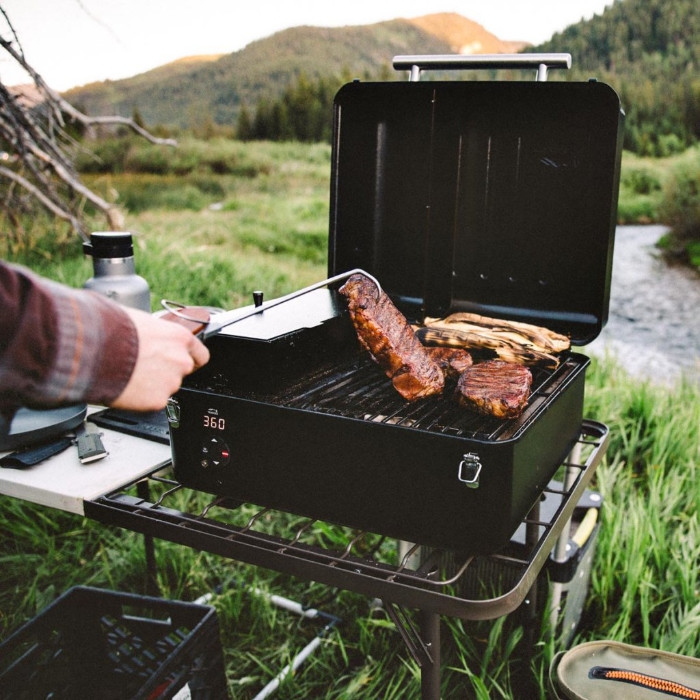
Portable Pellet Grill

The world of outdoor cooking has been revolutionized by the introduction of portable pellet grills, devices that combine the convenience of modern technology with the authentic flavor of wood-fired cooking. These innovative grills have transformed how we approach outdoor dining, whether you’re planning a weekend camping trip, hosting a tailgate party, or simply enjoying a backyard barbecue. Unlike traditional charcoal grills that require constant attention or gas grills that lack that distinctive smoky flavor, a portable pellet grill offers the perfect balance of convenience, flavor, and versatility that today’s outdoor cooking enthusiasts demand.

What makes these grills particularly appealing is their ability to maintain consistent temperatures through automated pellet feeding systems, allowing you to achieve restaurant-quality results without the steep learning curve associated with traditional smoking methods. The compact design of modern portable pellet grills means you no longer have to sacrifice quality for convenience when cooking away from home. These units typically weigh between 40 to 60 pounds, making them light enough to transport yet substantial enough to deliver professional-grade cooking performance that rivals their full-sized counterparts.

What Makes a Portable Pellet Grill Different from Traditional Grills?

A portable pellet grill operates on a fundamentally different principle compared to conventional grilling methods, utilizing wood pellets as fuel to create both heat and smoke simultaneously. The system employs an auger mechanism that automatically feeds compressed wood pellets from a hopper into a fire pot, where they’re ignited by a hot rod igniter to produce consistent heat and that coveted wood-fired flavor.

Table of Contents

This automated process eliminates the guesswork involved in traditional grilling, as digital controllers maintain precise temperatures ranging from 180°F for low-and-slow smoking to 500°F for high-heat searing. The beauty of this design lies in its set-it-and-forget-it functionality, which allows you to focus on enjoying time with family and friends rather than constantly monitoring and adjusting your grill.

The flavor profile achieved by pellet grills stands distinctly apart from gas or charcoal alternatives, as the wood pellets infuse food with genuine hardwood smoke that penetrates deep into meats, vegetables, and even baked goods. Available pellet flavors include hickory, mesquite, apple, cherry, oak, and maple, each imparting unique taste characteristics that can be matched to specific foods or personal preferences.

Professional pitmasters and weekend warriors alike appreciate how pellet grills can seamlessly transition from smoking brisket at 225°F for twelve hours to grilling burgers at 450°F, all with minimal fuel consumption and exceptional temperature stability. The efficiency of pellet combustion means you’ll use approximately one to two pounds of pellets per hour depending on cooking temperature, making them more economical than many people initially assume.

Key Features to Look for in Your Portable Pellet Grill

Temperature Control and Range

The hallmark of any quality portable pellet grill is its ability to maintain rock-solid temperature control across a wide range, which separates premium models from budget alternatives. Advanced digital controllers utilize PID (Proportional-Integral-Derivative) algorithms that continuously monitor and adjust pellet feed rates to maintain your target temperature within five degrees, even when facing challenging weather conditions like wind or cold.

This precision enables you to execute complex cooking techniques such as reverse searing, where you slowly bring a steak to temperature at 225°F before finishing it with a high-heat sear at 500°F. Look for models that offer temperature ranges starting as low as 160-180°F for cold smoking cheese or fish, extending up to at least 450-500°F for pizza cooking and searing steaks.

The responsiveness of temperature adjustments matters significantly when you need to make quick changes during the cooking process, as better controller systems can ramp up or cool down more efficiently than basic models. Some high-end portable pellet grills now feature WiFi connectivity that allows you to monitor and adjust temperatures from your smartphone, receiving alerts when your food reaches target internal temperatures or when the hopper needs refilling.

This technological integration has transformed pellet grilling from an active cooking method into a more passive experience where the grill does most of the work. Temperature consistency becomes particularly crucial during long smoking sessions, where fluctuations can dry out meat or create uneven cooking, so investing in a grill with proven temperature stability pays dividends in food quality.

Cooking Surface and Capacity

Understanding your cooking needs helps determine the appropriate grill grate size for your portable pellet grill, as manufacturers offer various configurations balancing portability with cooking capacity. Most portable models provide between 150 to 300 square inches of primary cooking surface, which translates to approximately 6 to 12 burgers or 2 to 4 whole chickens depending on the specific dimensions and layout.

The shape of the cooking surface matters as much as total square footage, since a wider, shallower grill accommodates more burgers and hot dogs for group gatherings, while a deeper configuration better suits whole turkeys or standing rib roasts. Secondary warming racks add valuable real estate for keeping food warm or cooking items that benefit from indirect heat, effectively expanding your usable cooking space by 30 to 50 percent.

Grate material and construction impact both heat retention and ease of cleaning, with porcelain-coated steel offering good non-stick properties and heat distribution, while stainless steel provides superior durability and rust resistance despite being more expensive. The spacing between grate bars should be narrow enough to prevent smaller items like shrimp or vegetable slices from falling through, yet wide enough to allow proper smoke circulation around your food.

Multi-level cooking systems available on some portable pellet grills let you position food at different heights to take advantage of various heat zones, giving you flexibility to cook different items simultaneously at their optimal temperatures. When evaluating cooking capacity, consider not just the maximum amount you could fit on the grill, but the practical cooking space when items need proper spacing for even heat distribution and smoke penetration.

Build Quality and Durability

The construction quality of a portable pellet grill directly impacts its longevity, cooking performance, and ability to withstand the rigors of outdoor use and transportation. Premium models utilize heavy-gauge steel construction for the main cooking chamber, typically 14 to 18 gauge, which provides excellent heat retention and structural integrity that resists warping over time.

The thickness and quality of insulation between inner and outer walls determines how well the grill maintains consistent temperatures in cold weather and how efficiently it uses pellets, with double-wall construction offering superior performance compared to single-wall designs. Powder-coated finishes protect steel components from rust and corrosion, but the quality of this coating varies significantly, so look for models using automotive-grade powder coating that can withstand years of exposure to heat, smoke, and moisture.

The hopper capacity and design influence how long you can cook without refilling pellets, with most portable models offering 5 to 12-pound capacity that provides 5 to 12 hours of cooking time at moderate temperatures. Hopper construction should include proper seals to keep pellets dry, as moisture causes pellets to swell and jam the auger mechanism, potentially damaging the feed system.

The auger itself represents a critical component that should be constructed from hardened steel with a motor rated for continuous operation, as this part works constantly during cooking and represents a common failure point in cheaper grills. Legs, wheels, and handles must be sturdy enough to support the fully loaded grill weight during transport, with folding or removable legs enhancing portability without compromising stability during cooking.

Top Benefits of Using a Portable Pellet Grill for Outdoor Cooking

Unmatched Flavor and Versatility

A portable pellet grill delivers authentic wood-fired flavor that simply cannot be replicated by gas grills or standard charcoal setups, as the continuous feed of hardwood pellets creates consistent smoke throughout the entire cooking process. The versatility of these grills extends far beyond basic grilling, encompassing smoking, roasting, baking, braising, and even barbecuing, making them true outdoor ovens rather than single-purpose cooking devices.

You can smoke a brisket overnight, bake fresh bread for breakfast, grill burgers for lunch, and roast a whole chicken for dinner, all on the same unit without any complicated setup changes or fuel swapping. This multi-functional capability eliminates the need for multiple outdoor cooking devices, saving money and storage space while expanding your culinary repertoire significantly.

Suggested read: Best Portable Smoker Grill Options for Outdoor Cooking in 2026

The smoke ring formation, bark development, and moisture retention achieved with pellet grills rival results from traditional offset smokers that cost thousands of dollars and require years of experience to master. Different wood pellet varieties allow you to customize flavor profiles to complement specific foods, such as using apple wood for pork, hickory for beef, maple for poultry, and cherry for lamb. The ability to cold smoke items like cheese, nuts, and salt adds another dimension to your cooking capabilities that most portable grills simply cannot accommodate. Competition barbecue teams increasingly rely on pellet grills for their consistent results and ability to handle multiple types of meat simultaneously at different temperatures, which speaks volumes about their professional-grade performance capabilities.

Convenience and Ease of Use

The automated operation of a portable pellet grill makes it accessible to beginners while still satisfying experienced pitmasters who appreciate the ability to achieve consistent results without constant babysitting. Starting the grill takes only a few minutes: fill the hopper with pellets, set your desired temperature on the digital controller, and the automatic ignition system handles everything else. Unlike charcoal grills that require lighting, arranging coals, and waiting for them to reach proper temperature, pellet grills are ready to cook in 10 to 15 minutes with zero hands-on work during the preheat phase.

The set-and-forget nature means you can start a pork shoulder at midnight, go to sleep, and wake up to perfectly smoked meat without making a single adjustment overnight.

Cleanup proves remarkably simple compared to other grilling methods, as ash production from pellet combustion is minimal and easily removed from the fire pot after cooking. Most models feature grease management systems that channel drippings into removable buckets or disposable aluminum liners, preventing flare-ups and simplifying post-cook maintenance. The absence of lighter fluid, charcoal dust, or propane tanks makes pellet grilling cleaner and more environmentally friendly than traditional options. Temperature consistency eliminates the common problem of dried-out meat from temperature spikes or undercooking from heat drops, meaning your success rate increases dramatically even when attempting challenging recipes for the first time.

Portability for Any Adventure

Modern portable pellet grill designs prioritize mobility without sacrificing cooking performance, making them ideal companions for camping trips, tailgating events, RV travel, beach outings, and any outdoor adventure where quality food matters. Most portable models weigh between 40 to 60 pounds when empty, which one person can reasonably load into a vehicle, though the weight does require some physical capability and proper lifting technique. Folding legs, removable components, and compact footprints allow these grills to fit in car trunks, truck beds, or RV storage compartments that couldn’t accommodate full-sized models. The ability to power these grills from 12-volt DC sources or portable generators expands your cooking locations beyond campgrounds with electrical hookups, enabling true off-grid cooking experiences.

Durability features like powder-coated exteriors, weather-resistant components, and protective covers ensure your portable pellet grill withstands the bumps, vibrations, and exposure inherent to traveling. The consistent results mean you can deliver the same quality meals at a remote campsite that you would produce in your backyard, impressing fellow campers and creating memorable outdoor dining experiences. For tailgating, the conversation-starting nature of a pellet grill draws crowds and enhances the pre-game experience, while the set-it-and-forget-it operation lets you actually watch the game rather than hovering over a traditional grill. The relatively quiet operation compared to loud propane burners or crackling charcoal fires makes pellet grills more neighbor-friendly in campgrounds and residential settings where noise considerations matter.

How to Choose the Right Portable Pellet Grill for Your Needs

Assessing Your Cooking Requirements

Before investing in a portable pellet grill, honestly evaluate how you’ll primarily use the unit, as this determines which features deserve priority and which represent unnecessary expenses. If you’re feeding a family of four at weekend campsites, a compact 180-square-inch model might suffice, but tailgating for groups of 10-15 people requires a larger 250-300 square-inch cooking surface to prepare adequate quantities efficiently.

Consider whether you’ll primarily grill quick-cooking items like burgers and chicken breasts or focus on low-and-slow smoking of briskets and pork shoulders, as this influences the importance of hopper capacity and temperature range. The frequency of use matters significantly, since occasional weekend warriors can accept longer preheat times and basic temperature controls, while frequent users benefit from premium features like WiFi connectivity and rapid temperature recovery.

Your transportation method shapes size and weight constraints, as backpackers need ultra-compact units under 50 pounds, while those with pickup trucks or RVs can accommodate heavier, more feature-rich models. Budget considerations extend beyond the initial purchase price to include ongoing pellet costs, replacement parts, covers, and accessories that enhance functionality. Think about the types of food you most enjoy eating and ensure your chosen grill excels at those specific applications, whether that’s perfectly seared steaks, fall-off-the-bone ribs, or wood-fired pizza. Environmental factors like typical weather conditions, altitude, and ambient temperatures where you’ll cook influence which features like double-wall construction, wind shields, or heavy-duty insulation become essential versus optional.

Budget Considerations and Value

Portable pellet grill pricing spans from around $300 for entry-level models to over $800 for premium units with advanced features, which makes understanding what you’re paying for crucial to making a smart investment. Budget-friendly options typically sacrifice build quality, temperature precision, and longevity rather than basic functionality, meaning they’ll cook food adequately but may require replacement sooner and perform less consistently. Mid-range grills between $400-600 represent the sweet spot for most users, offering quality construction, reliable temperature control, and reasonable durability without premium features like WiFi or exotic materials. Top-tier models command higher prices through superior insulation, commercial-grade components, advanced controllers, stainless steel construction, and comprehensive warranty coverage that justifies the investment for serious enthusiasts.

The true cost of ownership includes pellet consumption, which runs approximately $1-2 per cooking session for typical meals, making pellets more economical than many people expect. Factor in potential accessory purchases like grill covers, extra grill grates, meat probes, and pellet storage containers when calculating your total budget. Warranty coverage varies dramatically between manufacturers, with some offering only 1-year limited warranties while others provide 3-5 years on major components, which should influence your decision since repairs can be expensive. Consider the availability and cost of replacement parts like augers, igniters, and temperature probes, as some brands charge premium prices for proprietary components while others use standardized parts that cost less and ship faster.

Essential Accessories for Your Portable Pellet Grill Experience

Must-Have Tools and Equipment

Maximizing your portable pellet grill performance requires several key accessories that enhance functionality, protect your investment, and expand cooking capabilities beyond the base unit. A high-quality instant-read thermometer proves indispensable for checking internal meat temperatures accurately, as the built-in grill thermometer only measures cooking chamber temperature, not actual food doneness. Wireless meat probes with remote displays let you monitor internal temperatures from inside your RV or tent, receiving alerts when food reaches target temps without repeatedly opening the grill lid and losing heat. Heavy-duty grill covers specifically designed for your model protect against rain, dust, UV damage, and debris during storage or between uses, significantly extending the lifespan of painted and plastic components.

Pellet storage solutions keep your fuel dry and fresh, which is critical since moisture-damaged pellets cause auger jams and poor combustion that ruins cooking sessions. Food-grade buckets with gasket lids work perfectly for storing opened pellet bags, while dedicated pellet containers with pour spouts simplify hopper refilling without spillage. A shop vacuum or ash vacuum makes cleaning the fire pot and grease management system quick and thorough, maintaining optimal airflow and combustion efficiency. Grill grates in different materials or configurations expand cooking options, such as cast iron grates for superior searing, perforated pizza pans for crispy crusts, or vegetable baskets that prevent small items from falling through standard grates.

Performance-Enhancing Add-Ons

Investing in strategic accessories transforms your portable pellet grill from a good cooking device into an exceptional outdoor kitchen that rivals indoor capabilities. A thermal blanket or insulated cover designed for your specific model dramatically improves cold-weather performance and reduces pellet consumption by 30-50% when cooking in temperatures below 40°F. Smoke tubes or pellet maze attachments generate additional smoke during grilling at higher temperatures when the grill produces less smoke naturally, intensifying flavor for foods that benefit from pronounced smokiness. A griddle insert that covers the main grate creates a flat cooking surface perfect for breakfast foods, smash burgers, fajitas, and Asian stir-fry dishes that would be impossible on standard grill grates.

Front shelves or side tables that attach to portable pellet grills provide essential workspace for food prep, plating, and tool storage without requiring separate furniture at your cooking location. A quality BBQ tool set with long handles, spring-loaded tongs, spatulas, and grill brushes protects hands from heat while providing the control needed for flipping, rotating, and removing foods.

Rib racks, chicken stands, and roasting pans optimize vertical cooking space, allowing you to fit more food on the grill simultaneously or position items for optimal heat exposure. A pellet grill cookbook specifically focused on wood-fired cooking techniques helps you explore the full potential of your grill with recipes developed specifically for pellet cooking rather than adapted from gas or charcoal methods.

Best Wood Pellets for Maximum Flavor in Your Portable Pellet Grill

Understanding Pellet Types and Quality

The wood pellets you choose for your portable pellet grill dramatically impact flavor, burn efficiency, and overall cooking experience, making pellet selection as important as the grill itself. Food-grade pellets manufactured specifically for cooking differ fundamentally from heating pellets sold for wood stoves, as cooking pellets use pure hardwood without binding agents, chemicals, or additives that could contaminate food.

Premium pellets contain 100% hardwood with moisture content between 5-8%, which burns cleanly and efficiently while producing consistent smoke, whereas cheaper pellets may include filler woods, bark, or excessive moisture that causes temperature fluctuations and excessive ash production. The density and size consistency of quality pellets ensures smooth feeding through the auger without jamming or bridging in the hopper, which prevents frustrating mid-cook shutdowns.

Different hardwood species create distinct flavor profiles that complement specific types of food, though personal preference ultimately determines what works best for your palate. Oak pellets provide a medium smoke flavor that works universally well with beef, pork, and poultry without overpowering delicate foods, making them an excellent default choice.

Hickory pellets deliver stronger, bacon-like smoke that pairs beautifully with red meat and pork but can overwhelm fish or poultry if used exclusively for long cooks. Fruit woods like apple, cherry, and peach produce mild, slightly sweet smoke ideal for pork, poultry, and fish, while mesquite pellets create intense, earthy smoke best suited for beef and used sparingly due to their potency. Blended pellets combine multiple wood types to create balanced flavor profiles that eliminate the guesswork for beginners while providing consistent results across different proteins.

Storage and Maintenance Tips

Properly storing wood pellets ensures they remain dry and effective for your portable pellet grill, as moisture represents the primary enemy of pellet quality and performance. Keep unopened bags in a dry indoor location like a garage or shed, elevated off concrete floors that can transfer moisture through the packaging over time. Once opened, transfer pellets to airtight containers with secure lids, as even slight humidity exposure causes pellets to swell, crumble, and lose combustion efficiency. Never leave pellets in the hopper between uses in humid climates or when the grill will sit unused for more than a week, as condensation inside the hopper degrades pellet quality and can cause auger jams that require disassembly to fix.

Suggested read: Best Pellet Smoker Portable Options for Outdoor Cooking EnthusiastsOptions for Outdoor Cooking Enthusiasts

Rotate your pellet inventory to use older bags first, as pellets don’t improve with age and can degrade over extended storage periods exceeding six months. Buying pellets in bulk during sales saves money, but only purchase quantities you’ll reasonably use within one season unless you have ideal storage conditions with climate control. If you discover moisture-compromised pellets, discard them rather than attempting to dry them out, as the structural integrity has been permanently damaged and they’ll cause performance issues. Mixing different wood types in the hopper creates custom flavor blends, though you should use up these mixtures promptly since you won’t be able to identify the wood type for future reference.

Maintenance and Care for Long-Lasting Performance

Regular Cleaning Procedures

Maintaining your portable pellet grill through consistent cleaning ensures optimal performance, prevents grease fires, and extends the lifespan of critical components far beyond neglected units. After every 2-3 cooking sessions, vacuum ash from the fire pot using a shop vac or specialized ash vacuum, as accumulated ash restricts airflow and causes temperature inconsistencies that ruin cooking results. Remove and clean grill grates with a quality brass brush while they’re still warm, which makes residue removal easier and prevents buildup that affects food flavor and creates stick points. Empty grease management systems after each use or when buckets reach half full, as overflowing grease causes flare-ups, creates smoke that tastes rancid, and presents fire hazards that can damage your grill.

Deep cleaning every 15-20 hours of cooking time or at least once per season involves removing all internal components for thorough scrubbing and inspection. Take out the heat deflector, drip tray, and grill grates to access accumulated grease and debris in the main chamber, scraping down walls and corners where buildup hides. Inspect the auger tube for pellet dust and debris, vacuuming it clear to prevent jams, and check that the auger rotates freely without unusual noises that might indicate bearing wear.

Clean the temperature probe with a damp cloth, as grease buildup on the probe causes inaccurate temperature readings that throw off the controller’s regulation. Remove the fire pot to clean out clinkers (hard ash deposits) that form from burning low-quality pellets or cooking at low temperatures for extended periods.

Troubleshooting Common Issues

Understanding common portable pellet grill problems and their solutions prevents minor issues from escalating into expensive repairs or ruined cooking sessions. Temperature swings typically result from ash buildup restricting airflow, dirty temperature probes providing false readings, or low-quality pellets burning inconsistently, all of which are easily corrected through proper maintenance. If the grill won’t ignite, check that pellets are feeding properly into the fire pot, the igniter rod glows red when powered, and the induction fan runs to provide combustion air. Auger jams usually stem from moisture-damaged pellets swelling in the tube, requiring you to clear the blockage by removing the auger motor and manually extracting affected pellets.

Excessive smoke production often indicates grease fires in the drip tray or poor pellet quality creating sooty combustion, both remedied through cleaning and switching to premium pellets. If your grill runs hot or cold compared to the set temperature, calibrate the temperature controller according to manufacturer instructions or replace a failing RTD temperature sensor if calibration doesn’t resolve the issue. Unusual noises like grinding or squealing from the auger motor suggest bearing failure or foreign objects in the auger tube, requiring inspection and potentially motor replacement. Keep your owner’s manual accessible with the grill and familiarize yourself with basic diagnostics before problems arise, as many issues can be quickly resolved with simple adjustments rather than service calls.

Portable Pellet Grill Cooking Techniques and Recipes

Low and Slow Smoking Methods

Mastering low-temperature smoking on your portable pellet grill unlocks the full potential of this versatile cooking device, producing tender, flavorful meats that rival the best barbecue restaurants. Set your grill between 225-250°F for traditional smoking of brisket, pork shoulder, ribs, and other tough cuts that require extended cooking times to break down connective tissues into gelatin.

The key to successful smoking involves maintaining consistent temperatures over many hours, which pellet grills handle automatically once programmed, freeing you from the constant tending required by charcoal or wood smokers. Apply dry rubs 12-24 hours before cooking to allow seasonings to penetrate meat surfaces, and let meat come to room temperature for 30-60 minutes before placing on the grill for more even cooking.

The stall phenomenon, where internal meat temperature plateaus around 150-170°F for hours, tests patience but represents crucial collagen breakdown, so resist the urge to increase temperature to power through it. Wrapping meat in butcher paper or foil once it reaches desired bark color helps push through the stall while retaining moisture, though purists argue this compromises bark texture. Monitor internal temperatures rather than cooking times, as factors like meat thickness, density, and starting temperature affect how long cooking takes. Rest smoked meats wrapped in towels inside a cooler for 1-2 hours after reaching target temperature, allowing juices to redistribute throughout the meat for maximum tenderness and moisture retention.

High-Heat Grilling and Searing

While portable pellet grills excel at smoking, many models now offer high-temperature capabilities that enable proper searing and grilling of steaks, chops, and other foods benefiting from caramelized crusts. Preheat your grill to maximum temperature, typically 450-500°F, for at least 15 minutes to heat the grates thoroughly, which prevents sticking and creates proper sear marks.

Some models feature direct flame access or sear boxes that expose food to actual flames rather than just radiant heat, achieving sear quality approaching gas grills. The reverse sear technique works perfectly on pellet grills: slowly bring steaks to 10-15°F below target doneness at 225°F, then sear them on maximum heat for 90-120 seconds per side to develop a flavorful crust while maintaining a perfectly cooked interior.

Oil your grates or food rather than spraying directly into a hot grill, as this prevents flare-ups and ensures even coverage. For vegetables, cut them into larger pieces that won’t fall through grates, toss with oil and seasonings, and grill at medium-high heat (400°F) while turning occasionally until charred and tender.

Burgers benefit from a smash technique where you form loose balls of ground beef, place them on the hot grate, and firmly press them flat with a spatula, creating maximum surface area for crust development. Pizza cooking requires a pizza stone or steel preheated on the grill for 30 minutes at maximum temperature, launching pizzas onto the hot surface for 8-12 minutes of cooking that produces crispy crusts and melted cheese rivaling wood-fired ovens.

Safety Tips When Using Your Portable Pellet Grill

Fire Prevention and Safe Operation

Operating your portable pellet grill safely prevents accidents, property damage, and injuries while ensuring years of reliable performance. Always position the grill on a stable, level, non-combustible surface at least 10 feet from buildings, overhangs, and flammable materials, as hot grease or pellets can occasionally ignite outside the main chamber. Never use your pellet grill indoors, in garages, or under covered porches, as carbon monoxide produced during combustion is deadly in enclosed spaces even if you don’t notice symptoms immediately. Keep a fire extinguisher rated for grease fires (Class K or ABC) within easy reach of your cooking area, and familiarize yourself with its operation before emergencies arise.

Regularly inspect electrical cords and connections for damage, fraying, or exposed wires that could cause shorts or shocks, especially after transportation when components experience stress. Allow the grill to cool completely before loading it into vehicles or storage, as residual heat can ignite surrounding materials or cause burns from accidental contact. Empty grease management systems before they overflow, as accumulated grease represents a significant fire hazard if ignited, potentially causing flames that damage the grill or spread to surroundings. Never leave a running pellet grill completely unattended for extended periods, checking it every few hours during long cooks to ensure proper operation and catch potential problems before they escalate.

Weather and Environmental Considerations

Weather conditions significantly impact portable pellet grill performance and safety, requiring adjustments to maintain optimal results and prevent damage. Wind affects temperature stability as it cools the cooking chamber and can blow ash around, so position your grill to minimize wind exposure or use wind breaks like tables or walls to shield it. Cold ambient temperatures below 40°F reduce efficiency and temperature capacity, potentially preventing the grill from reaching maximum temperatures, which is when thermal blankets become essential for maintaining performance. Rain or snow shouldn’t contact a hot grill, as rapid temperature changes can warp metal and damage electronic components, though occasional moisture from misting won’t cause immediate harm.

High altitude locations above 3,000 feet affect combustion efficiency due to reduced oxygen levels, sometimes requiring increased pellet feed rates to maintain target temperatures, which some advanced controllers adjust for automatically. Direct sunlight beating on the grill causes higher internal temperatures than the controller expects, potentially leading to temperature overshoots, so shade the unit during daytime cooking when possible. Before cooking in extreme conditions, check that your specific model is rated for those environments, as some manufacturers specify operating temperature ranges outside which warranty coverage becomes void. After cooking in rain or humid conditions, dry the grill thoroughly and ensure the hopper is empty, preventing moisture absorption that damages pellets and causes rust on internal components.

Comparing Portable Pellet Grills to Other Portable Grill Types

Portable Pellet Grills vs. Gas Grills

When comparing portable pellet grills against portable gas models, several key differences emerge that help determine which suits your specific needs and preferences. Gas grills offer faster startup times, typically ready to cook in 5 minutes versus 10-15 for pellet grills, and generally cost less upfront with entry-level models starting around $150 compared to $300+ for pellet options. The instant heat control of gas burners allows rapid temperature adjustments, while pellet grills take 5-10 minutes to ramp up or cool down significantly. However, gas grills completely lack the authentic smoke flavor that defines outdoor cooking for many enthusiasts, producing food that tastes similar to indoor stovetop cooking with grill marks added.

Pellet grills excel at low-and-slow smoking that gas grills simply cannot replicate without expensive smoke boxes that produce mediocre results at best. Fuel costs favor pellets over propane in most regions, with pellets costing approximately $1-2 per cooking session versus $3-5 for equivalent propane usage. Gas grills require less maintenance and cleaning than pellet grills, which need regular ash removal and more complex internal component cleaning. The temperature precision and automation of pellet grills surpass basic gas models, though high-end gas grills with multiple burners offer versatility through different heat zones. For those prioritizing convenience, speed, and minimal fuss, gas wins, but flavor enthusiasts who value smoke and automated temperature control strongly prefer pellet technology.

Portable Pellet Grills vs. Charcoal Grills

The debate between portable pellet grills and charcoal options centers on flavor authenticity, convenience, and cooking capabilities. Charcoal purists argue that nothing matches the flavor from natural lump charcoal or briquettes, though blind taste tests often show trained palates cannot reliably distinguish between high-quality charcoal and pellet-cooked foods. Charcoal grills cost significantly less, with quality portable models available for $50-150, and they operate without electricity, making them more versatile for primitive camping without generators. The high-heat capabilities of charcoal grills exceed most pellet models, reaching temperatures above 700°F for searing that creates restaurant-quality crust development on steaks.

Suggested read: The Ultimate Guide to Griddle Portable : Transform Your Outdoor Cooking Experience

However, charcoal requires 20-30 minutes to reach cooking temperature, demands constant attention to maintain consistent heat, and produces more ash and mess than pellet grills. Temperature control on charcoal grills relies on manipulating airflow and coal arrangement, skills that take years to master, while pellet grills maintain set temperatures automatically. Smoking on charcoal grills requires adding wood chunks and carefully managing airflow, a challenging process compared to the set-and-forget simplicity of pellet smoking.

Cleanup from charcoal creates substantial ash disposal challenges and leaves grills coated in residue requiring aggressive scrubbing. For occasional users who enjoy the hands-on process and don’t mind the learning curve, charcoal offers authenticity and simplicity, but those wanting consistent results, automated operation, and true multi-purpose cooking capabilities find pellet grills worth the additional investment.

Environmental Impact and Efficiency of Portable Pellet Grills

Fuel Source Sustainability

Portable pellet grill fuel comes from compressed sawdust and wood waste, making pellets an environmentally responsible choice compared to fossil fuel alternatives. The pellet manufacturing process repurposes sawmill byproducts that would otherwise be discarded or burned as waste, creating value from materials previously considered disposal problems. Hardwood trees used for pellet production typically come from managed forests with replanting programs, ensuring renewable resource cycles that maintain or increase forest coverage over time. The compression process requires no chemical binders or additives for quality cooking pellets, as the natural lignin in wood acts as a binder when heated and compressed, creating a pure, food-safe product.

Burning wood pellets releases carbon dioxide, but this represents carbon recently absorbed by growing trees rather than ancient carbon from fossil fuels, making it carbon-neutral within reasonable timeframes. The efficient combustion in pellet grills produces minimal ash, typically 1-2% of fuel consumed, with the remainder converted to heat and water vapor through complete burning. When compared to propane production, transportation, and combustion, wood pellets demonstrate lower overall environmental impact from source to consumption. Local pellet manufacturing available in many regions reduces transportation distances and associated emissions compared to propane or charcoal that often travel hundreds of miles from production facilities.

Energy Efficiency and Operating Costs

The operational efficiency of portable pellet grills surpasses most other outdoor cooking methods when examining fuel consumption relative to heat produced and maintained. A typical cooking session at 250°F consumes approximately 1-1.5 pounds of pellets per hour, costing $0.50-1.00 depending on pellet quality and regional pricing. This compares favorably to propane grills using similar BTU output, which consume 1-2 pounds of propane hourly at approximately $2-4 per session. The automated feed system eliminates waste from over-fueling common with charcoal grills where excess briquettes burn unnecessarily to maintain temperature headroom.

Double-wall construction and quality insulation dramatically improve cold-weather efficiency, reducing pellet consumption by up to 40% compared to single-wall models in temperatures below freezing. The electrical consumption of pellet grills remains minimal, typically 300-500 watts initially for the igniter and 30-50 watts during cooking for the auger and controller, totaling about $0.10-0.30 in electricity per 10-hour cooking session.

The multi-purpose capabilities mean a single pellet grill replaces dedicated smokers, grills, and outdoor ovens, amortizing the purchase price across multiple cooking methods that would otherwise require separate devices. Long-term operating costs favor pellet grills when you factor in consistent results that minimize food waste from cooking failures, as the automated temperature control drastically reduces overcooking or undercooking mistakes that send expensive proteins to the trash.

Real User Experiences and Case Studies with Portable Pellet Grills

Weekend Warriors and Camping Enthusiasts

Real-world feedback from portable pellet grill owners reveals consistent patterns of satisfaction mixed with realistic expectations about capabilities and limitations. Sarah M., a family camper from Colorado, reports using her portable pellet grill for monthly camping trips over three years: “The ability to smoke ribs at the campsite while hiking during the day changed our camping food game completely. We come back to perfectly cooked meat that tastes better than anything we made on our old propane grill.” She notes that finding electrical hookups or bringing a portable generator initially seemed like a hassle but became routine after the first few trips, and the food quality made any extra planning worthwhile.

James T., who tailgates for college football games, emphasizes the social aspect: “People constantly stop by asking about the grill and commenting on the smell. I’ve converted at least a dozen people to pellet grilling just by letting them taste the results.” He mentions that his portable unit handles feeding groups of 10-15 people effectively by cooking in batches, though he acknowledges larger gatherings would benefit from a bigger model. The consistent theme across user reviews highlights that people who understand pellet grills require electricity and occasional maintenance rarely express buyer’s remorse, while those expecting charcoal-level simplicity sometimes feel frustrated by the technology requirements.

Professional Applications and Competition Cooking

Competition barbecue teams increasingly rely on portable pellet grills for practice sessions and smaller competitions where portability and consistency matter more than traditional offset smoker prestige. Mike Rodriguez, a competition pitmaster with multiple championship titles, explains: “I use my large offset smoker for major competitions, but my portable pellet grill goes to every practice session and local event. The consistent results mean I can perfect recipes without worrying about temperature management, focusing entirely on timing, seasoning, and presentation.” He notes that several winning teams now use pellet grills exclusively, particularly in categories like chicken and pork ribs where consistent temperature control produces superior results.

Food truck operators and caterers have discovered portable pellet grills offer unique advantages for off-site events and special catering jobs. Restaurant owner Jennifer Park reports: “We bring our portable pellet grill to farmers markets and outdoor events to prepare smoked chicken and brisket sandwiches. The grill produces consistent restaurant-quality results in any location with power, and customers love watching the cooking process.” She calculates that the grill paid for itself within the first season through increased catering bookings and has lasted four years of heavy commercial use with only routine maintenance and one replacement igniter. These professional applications demonstrate that portable pellet grills have evolved beyond consumer-grade toys into legitimate commercial cooking equipment capable of demanding, revenue-generating work.

The Future of Portable Pellet Grill Technology

Emerging Innovations and Features

The portable pellet grill market continues evolving with technological advances that enhance convenience, performance, and connectivity. WiFi and Bluetooth integration now appears as standard features on mid-range and premium models, allowing users to monitor and control temperatures from smartphones up to 100 feet away or globally through internet connections. Advanced controllers featuring cloud-based cooking guides walk users through recipes step-by-step, automatically adjusting temperatures at appropriate times and alerting when actions like flipping, wrapping, or removing food become necessary. Voice assistant integration with Alexa and Google Home enables hands-free operation, letting users adjust temperatures or check cooking progress while their hands are full with food prep or entertaining guests.

Battery-powered portable pellet grills represent an emerging category that eliminates the electrical hookup requirement entirely, using rechargeable lithium batteries to power the auger, igniter, and controller for 8-12 hours of cooking per charge. Hybrid fuel systems under development would allow grills to burn either pellets or charcoal, combining the convenience of automated pellet cooking with the high-heat capabilities and off-grid simplicity of charcoal when needed.

Improved insulation materials and vacuum-sealed double-wall construction promise to dramatically enhance cold-weather performance while reducing pellet consumption by 50% or more compared to current designs. AI-powered cooking algorithms that learn your preferences over time and automatically adjust for variables like weather, food thickness, and desired doneness level are already in prototype stages at major manufacturers.

Consumer demand for portable pellet grills has grown exponentially over the past five years, with market research indicating continued double-digit annual growth through at least 2028. The COVID-19 pandemic accelerated adoption as people invested in outdoor cooking equipment for socially distanced entertaining and sought restaurant-quality food at home during lockdowns. Younger consumers, particularly millennials and Gen Z, embrace the technology-forward nature of pellet grills, appreciating smartphone connectivity and automation that aligns with their expectations for modern appliances. The growing interest in outdoor recreation, RV travel, and van life culture creates expanding markets for compact, portable cooking solutions that don’t compromise quality for convenience.

Manufacturers respond to consumer feedback by prioritizing features like improved portability through lighter construction materials, enhanced durability for frequent transport, and expanded accessory ecosystems that increase versatility. Direct-to-consumer sales models have disrupted traditional retail channels, allowing newer brands to compete against established players by offering better value through reduced overhead costs. Subscription services for wood pellet delivery have emerged, automatically shipping pellets on customizable schedules so users never run out of fuel mid-cook. The trend toward premium, feature-rich models suggests consumers view pellet grills as long-term investments rather than disposable seasonal items, willingly paying higher upfront costs for quality construction and advanced capabilities that justify the expense through years of reliable performance.

Where to Buy and What to Look for in Retailers

Online vs. In-Store Shopping

Purchasing your portable pellet grill through online retailers offers advantages like broader selection, competitive pricing, and convenience of home delivery, though in-store shopping provides hands-on inspection and immediate availability. Major online marketplaces feature extensive customer reviews that reveal long-term reliability and common issues that manufacturer descriptions conveniently omit, helping you make informed decisions based on real user experiences. Price comparison tools and browser extensions automatically find the best deals across multiple retailers, potentially saving hundreds of dollars on identical models. However, shipping costs for heavy grills can negate online pricing advantages, and damage during transit occasionally occurs despite protective packaging, requiring return processes that delay your first cook.

Specialty outdoor cooking retailers, both physical locations and online stores, employ knowledgeable staff who understand pellet grill technology and can recommend models based on your specific needs rather than just pushing high-margin products. These retailers often provide better after-sale support, including assembly assistance, warranty processing, and troubleshooting guidance that proves invaluable when problems arise. Big-box home improvement stores carry limited selections but offer the advantage of seeing, touching, and comparing models side-by-side before purchase, plus the ability to load your grill immediately without waiting for shipping. Factory-direct purchases from manufacturer websites sometimes include exclusive models, extended warranties, or bundled accessories not available through third-party retailers, though prices rarely beat major online marketplace deals.

Warranty and Customer Service Considerations

The warranty coverage accompanying your portable pellet grill purchase significantly impacts long-term ownership satisfaction and should heavily influence buying decisions. Standard warranties typically cover 1-3 years for major components like the main chamber, hopper, and frame, with shorter coverage for wear items like igniters, augers, and controllers that experience regular stress during operation. Premium brands sometimes offer extended warranties up to 5 years, reflecting confidence in their construction quality and potentially saving thousands of dollars in repairs that would otherwise fall on owners. Carefully review what the warranty actually covers, as some manufacturers exclude common failure points like electronic components or require regular professional maintenance to maintain coverage validity.

Customer service quality varies dramatically between brands, with some offering responsive phone support, extensive online resources, and replacement parts shipped within days, while others provide only email support with slow response times and limited parts availability. Research the manufacturer’s reputation for honoring warranty claims and supporting products beyond the initial coverage period, as companies that abandon older models leave owners struggling to find replacement parts years later.

Some retailers like Costco or specific credit cards extend manufacturer warranties by an additional year when used for purchase, effectively doubling coverage at no extra cost. The availability of local authorized service centers matters if you’re not comfortable performing repairs yourself, as shipping large grills for warranty work proves expensive and time-consuming even when manufacturers cover repair costs.

Suggested read: General Electric Air Conditioner Portable: Your Ultimate Buying Guide for 2025


Frequently Asked Questions About Portable Pellet Grills

What is a portable pellet grill and how does it work?

A portable pellet grill is a compact outdoor cooking device that burns compressed wood pellets to generate heat and smoke. An electric auger automatically feeds pellets from a hopper into a fire pot where they ignite, while a digital controller maintains precise temperatures by adjusting the pellet feed rate. The system produces consistent wood-fired flavor without requiring constant attention or manual fuel adjustments.

How much does a portable pellet grill cost?

Portable pellet grill prices range from approximately $300 for entry-level models to over $800 for premium units with advanced features. Mid-range models between $400-600 offer the best balance of quality, durability, and features for most users. Beyond the initial purchase, budget for ongoing pellet costs of roughly $1-2 per cooking session and potential accessories like covers, thermometers, and extra grill grates.

Can I use a portable pellet grill without electricity?

Most portable pellet grills require electricity to power the auger, igniter, and digital controller, typically drawing 300-500 watts during startup and 30-50 watts during cooking. You can power these grills using portable generators rated at 1000+ watts or 12-volt power inverters connected to vehicle batteries. Some newer models feature battery-powered operation using rechargeable lithium batteries that eliminate the need for external power sources entirely.

What types of food can I cook on a portable pellet grill?

A portable pellet grill handles virtually any food you would cook on a conventional grill, smoker, or outdoor oven, including brisket, ribs, pulled pork, steaks, burgers, chicken, fish, vegetables, pizza, and even baked goods like bread or cookies. The wide temperature range from 180°F to 500°F enables low-and-slow smoking, standard grilling, high-heat searing, roasting, and baking all on the same unit without any complicated setup changes or fuel switching.

How long do wood pellets last in a portable pellet grill?

Wood pellet consumption varies based on cooking temperature, with typical usage of 1-1.5 pounds per hour at 250°F for smoking and up to 3 pounds per hour at maximum temperatures above 450°F. A standard 20-pound bag of pellets provides approximately 15-20 hours of smoking or 6-8 hours of high-heat grilling. Hopper capacity on portable models ranges from 5-12 pounds, offering 5-12 hours of cooking time before refilling becomes necessary.

Are portable pellet grills difficult to clean?

Portable pellet grills require less cleaning than charcoal grills but more maintenance than gas models. After every 2-3 cooking sessions, vacuum ash from the fire pot and empty grease collection systems to maintain optimal performance. Deep cleaning every 15-20 hours of cooking involves removing internal components to scrape accumulated grease and debris from the chamber walls. Most owners report that cleaning takes 15-30 minutes and becomes a routine part of ownership that doesn’t significantly detract from the cooking experience.

Can I travel with a portable pellet grill?

Yes, portable pellet grills are specifically designed for transport to campsites, tailgate parties, beaches, and other outdoor locations. Most models weigh 40-60 pounds when empty and feature folding legs, handles, and compact footprints that fit in vehicles. Allow the grill to cool completely before transport, empty the hopper to prevent pellet damage during movement, and secure the unit to prevent shifting that could damage components during travel.

What’s the difference between a portable and full-size pellet grill?

Portable pellet grills sacrifice cooking surface area and hopper capacity for reduced weight and smaller dimensions, typically offering 150-300 square inches of cooking space versus 400-800+ square inches on full-size models. The temperature range, smoke production, and food quality remain comparable between sizes, with portable units delivering professional-grade results in a more compact package. Full-size grills include features like multiple shelves, larger wheels, and built-in storage that portables omit to reduce bulk.


Take Your Outdoor Cooking to the Next Level

Ready to experience the convenience and flavor of wood-fired cooking anywhere your adventures take you? Investing in a portable pellet grill transforms your outdoor dining from basic grilled food to restaurant-quality meals that impress family and friends. Whether you’re smoking brisket at a campsite, grilling burgers at a tailgate, or roasting vegetables in your backyard, a portable pellet grill delivers consistent, delicious results with minimal effort and maximum flavor.

The technology has matured to the point where even beginners achieve professional-grade results from their first cook, while experienced pitmasters appreciate the ability to focus on recipe development and technique rather than constantly managing fire and temperatures. For those seeking outdoor cooking equipment that truly goes anywhere without compromising quality, exploring portable pellet grill options represents an investment in countless memorable meals and outdoor experiences for years to come.

If you’re interested in other portable outdoor gear to complement your cooking setup, check out our collection of best portable basketball hoops and other mobile entertainment options for complete outdoor adventures.


Call to Action: Browse our curated selection of top-rated portable pellet grills and find the perfect model for your outdoor cooking needs. Compare features, read verified customer reviews, and discover which grill matches your budget and cooking style today!