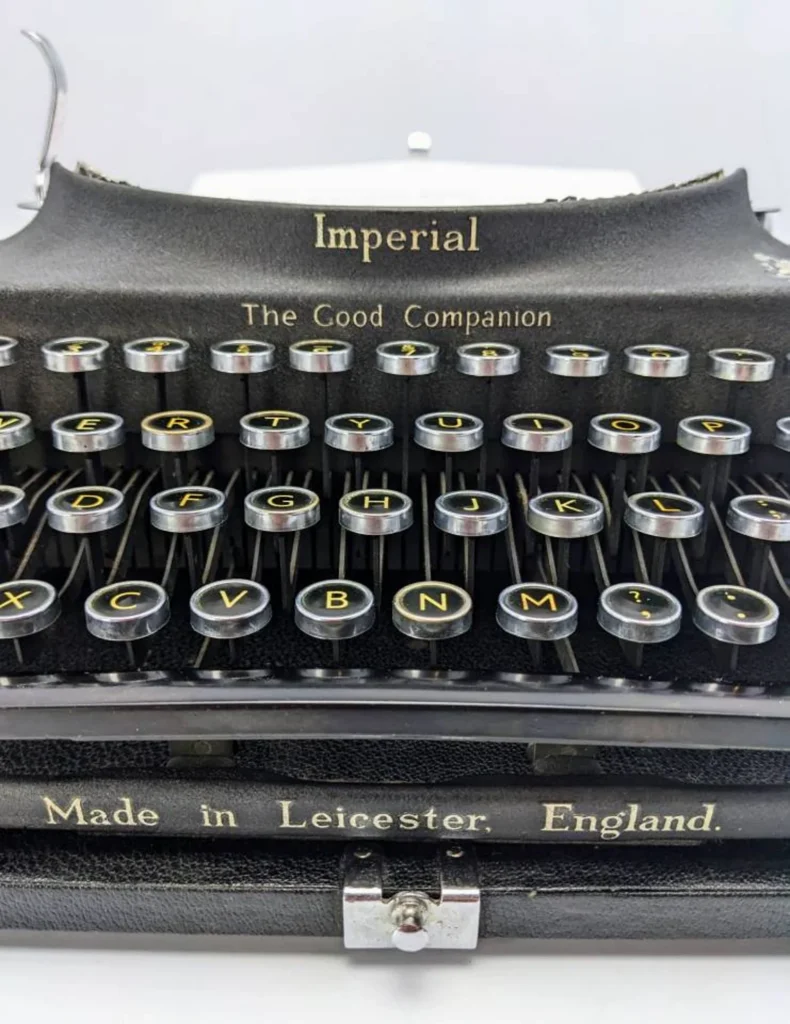
In an era dominated by digital devices, the portable typewriter has experienced a remarkable renaissance. These mechanical marvels combine nostalgic charm with practical functionality, offering writers, collectors, and creative professionals a tangible connection to their craft. Whether you’re a novelist seeking distraction-free writing, a journalist on the move, or a vintage enthusiast, understanding the world of portable typewriters can transform your writing experience.
What Is a Portable Typewriter?
A portable typewriter is a compact, lightweight writing machine designed for mobility and convenience. Unlike their bulkier desktop counterparts, these ingenious devices typically weigh between 10-20 pounds and feature carrying cases for easy transportation. The portable typewriter revolutionized writing in the 20th century, enabling journalists to file stories from remote locations and authors to write anywhere inspiration struck.
The first commercially successful portable typewriter emerged in the early 1900s, with the Corona Model 3 leading the charge in 1912. These machines featured folding carriages and innovative mechanical designs that reduced size without sacrificing functionality. According to the Typewriter Database, over 300 different portable typewriter models were manufactured between 1920 and 1980, representing countless innovations in mechanical engineering and industrial design.
Why Choose a Portable Typewriter in 2024?
The resurgence of portable typewriters stems from multiple compelling factors that resonate with modern users. Digital distractions have made focused writing increasingly difficult, while the tactile experience of mechanical typing offers psychological benefits that screens cannot replicate.
Distraction-Free Writing Environment: Portable typewriters eliminate internet connectivity, notifications, and the temptation to multitask. Writers report higher productivity and better concentration when using mechanical typewriters. Author Tom Hanks, an avid typewriter collector, states: “There’s something about the physicality of clacking out words that gets you in the mood for writing.”
Tangible Creative Process: The physical act of striking keys and seeing words appear on paper creates a direct connection between thought and output. Research from Princeton University found that writing by hand or on mechanical devices improves memory retention and conceptual understanding compared to digital typing.
Durability and Reliability: Unlike modern electronics, a well-maintained portable typewriter can function for decades without batteries, software updates, or technical support. Many machines from the 1950s and 1960s still operate perfectly today with minimal maintenance.
Aesthetic and Collectible Value: Vintage portable typewriters serve as functional art pieces. Models like the Hermes 3000, Olivetti Lettera 32, and Royal Quiet De Luxe command premium prices due to their elegant designs and superior engineering.
Top Portable Typewriter Models for Every Budget
Premium Vintage Models ($300-$800)
Hermes 3000 stands as the gold standard of portable typewriters. Manufactured in Switzerland from 1958 to 1984, this machine offers exceptional typing feel, precise engineering, and stunning aesthetics. The ribbon system remains easy to replace, and the compact design belies its substantial build quality. Professional writers consider the Hermes 3000 among the finest portable typewriters ever manufactured.
Olivetti Lettera 32 represents Italian design excellence. Weighing only 8.6 pounds, this ultra-portable machine was favored by journalists and travel writers. Cormac McCarthy famously wrote his novels on an Olivetti Lettera 32, eventually selling it at auction for $254,500. The smooth typing action and reliable mechanics make it highly sought-after today.
Royal Quiet De Luxe combines American manufacturing quality with elegant styling. Produced from the 1940s through the 1960s, these machines feature glass keys, chrome trim, and remarkably quiet operation for their era. The typing experience remains satisfying, with good key response and clear impressions.
Mid-Range Options ($100-$300)
Smith Corona Silent Super delivers excellent value for writers seeking reliable performance without premium pricing. These machines from the 1950s offer smooth typing, readily available parts, and straightforward maintenance. The ribbon changing process remains simple, and replacement ribbons cost just $5-10.
Remington Quiet-Riter provides dependable service with a loyal following among typewriter enthusiasts. The keyboard layout follows standard configurations, making transition easy for modern users. Build quality ensures these machines continue functioning with basic cleaning and occasional adjustment.
Olympia SM Series represents German engineering at accessible prices. Models like the SM3 and SM9 feature excellent typing feel, durable construction, and good availability. These portable typewriters handle extended writing sessions comfortably while maintaining compact dimensions.
Budget-Friendly Choices ($50-$100)
Brother Deluxe models from the 1970s and 1980s offer modern features at entry-level prices. These machines include corrections ribbons, reliable mechanics, and lightweight plastic bodies that reduce weight. While lacking the prestige of earlier models, they provide functional writing experiences for beginners.
Underwood Champion represents reliable American manufacturing from the mid-20th century. These sturdy machines withstand heavy use and remain relatively common in the vintage market. Basic maintenance keeps them running, and their straightforward design simplifies repairs.
Royal Safari serves as an excellent introduction to portable typewriters. These compact machines were designed for portability and ease of use. While not premium models, they offer genuine mechanical typing experiences at minimal investment.
Essential Features to Consider When Buying a Portable Typewriter
Typing Action and Key Feel
The typing action determines your daily experience with any portable typewriter. Test the key resistance and spacing before purchasing. Quality machines offer consistent pressure across all keys with satisfying tactile feedback. Avoid typewriters with sticky keys, uneven spacing, or mushy responses.
Key travel distance affects typing speed and comfort. Most vintage portable typewriters feature 3-4mm travel, providing good feedback without excessive effort. Professional typists prefer machines with moderate resistance that prevents accidental key strikes while maintaining responsive action.
Carriage Width and Margin Settings
Standard portable typewriters accommodate 8.5-inch paper width with adjustable margins. Writers working on specific formats should verify carriage capacity matches their needs. Some machines offer 11-inch or wider carriages for specialized applications.
Margin setting mechanisms vary by manufacturer and era. Top-quality portable typewriters feature easy-to-adjust margins with clear indicators and reliable locks. Test margin settings during inspection to ensure smooth operation and positive engagement.
Ribbon System and Availability
Ribbon replacement represents an ongoing consideration for typewriter users. Most vintage portable typewriters use standard universal ribbons available from suppliers like Baco Ribbon, FJA Products, and various online retailers. Universal ribbons typically cost $5-15 and provide months of regular use.
Suggested read: The Ultimate Buyer's Guide to Choosing the Best Portable Gun Safe for Your Security Needs
Two-color ribbons enable switching between black and red text. This feature proves valuable for editing, emphasis, and creative formatting. Verify that the ribbon advance mechanism functions properly and switches colors smoothly.
Weight and Portability
True portability requires considering both weight and carrying case quality. Most vintage portable typewriters weigh 10-20 pounds including cases. Ultra-portable models like the Olivetti Lettera 32 or Hermes Baby weigh under 10 pounds, significantly improving mobility.
Original carrying cases add historical authenticity but may show wear. Inspect case handles, latches, and structural integrity before transportation. Modern alternatives include padded bags designed for vintage typewriters, offering better protection during travel.
Maintenance Requirements and Part Availability
Different portable typewriter models vary significantly in maintenance needs and part availability. Popular models like Smith Corona, Royal, and Underwood typically have better parts availability than obscure brands. Research service options and common issues before purchasing rare models.
Basic maintenance includes cleaning, lubrication, and occasional adjustments. Most users can handle routine maintenance with simple tools and online tutorials. Complex repairs require professional typewriter repair technicians, whose numbers have dwindled but remain accessible in most regions.
How to Inspect and Test a Portable Typewriter
Visual Inspection
Begin by examining the overall condition of the portable typewriter. Check for missing keys, cracked body panels, rust, or severe corrosion. Surface rust on chrome parts can often be cleaned, but deep rust indicates potential internal damage.
Inspect the platen (rubber roller) for hardness and cracking. Original platens from the 1950s-1980s often become hard and lose grip, affecting print quality. Replacement platens cost $40-80 but dramatically improve typing experience.
Functional Testing
Type every key to verify complete functionality. Test uppercase and lowercase letters, numbers, and symbols. Check that the space bar advances consistently and the shift mechanism engages properly for capital letters.
Advance the carriage manually and through the return lever. The carriage should move smoothly without binding or skipping. Listen for unusual noises that might indicate mechanical problems requiring professional attention.
Test the ribbon advance mechanism by typing continuously. The ribbon should move evenly, and the reverse mechanism should engage at both ends. Verify that two-color ribbons switch properly when adjusting the color selector.
Paper Feed Assessment
Insert paper using the paper release lever and advance it with the platen knobs. The paper should feed straight without skewing to either side. Check that the paper release functions smoothly and the paper bail holds paper securely.
Type several lines to assess impression quality and alignment. Each letter should print clearly with consistent darkness. Uneven impressions indicate adjustment needs or worn components that affect typing quality.
Where to Buy Quality Portable Typewriters
Online Marketplaces
eBay remains the largest marketplace for vintage portable typewriters, offering hundreds of listings daily. Filter by condition, test results, and seller ratings to find quality machines. Professional typewriter sellers often provide better descriptions and guarantees compared to casual sellers.
Etsy features curated vintage typewriter selections from specialty shops. Sellers often clean, service, and test machines before listing, commanding premium prices for restored condition. The platform’s review system helps identify reliable sellers with typewriter expertise.
Shopgoodwill.com auctions donated typewriters from Goodwill locations nationwide. Prices remain competitive, but descriptions may lack detail and machines typically sell “as-is” without testing. This platform rewards knowledgeable buyers who can assess condition from photographs.
Local Sources
Estate Sales and Auctions frequently feature vintage office equipment including portable typewriters. Attend previews to inspect machines personally before bidding. Estate sale pricing often reflects seller ignorance of market values, creating opportunities for knowledgeable buyers.
Antique Stores and Vintage Shops maintain typewriter inventory with varying knowledge and pricing. Small-town antique malls sometimes offer bargains on quality machines overlooked by casual shoppers. Building relationships with shop owners can lead to first access when new inventory arrives.
Typewriter Repair Shops sell serviced machines with warranties and professional setup. While prices exceed auction sites, the peace of mind and expert service justify premium costs. Many repair shops offer ongoing support and maintenance for purchased machines.
Specialty Typewriter Retailers
Professional typewriter dealers provide fully serviced machines with guarantees and expert knowledge. Companies like Cambridge Typewriter Company, Mesa Typewriter Exchange, and Gramercy Typewriter Company offer curated selections with detailed condition reports. Their expertise ensures customers receive properly functioning portable typewriters backed by service commitments.
Portable Typewriter Maintenance and Care
Regular Cleaning
Dust and debris accumulate inside typewriter mechanisms, affecting performance over time. Use compressed air to blow out dust from between keys and under the carriage. Avoid high-pressure compressors that can force debris deeper into mechanisms.
Soft brushes remove stubborn dirt from key tops, type bars, and visible mechanisms. Artist brushes or dedicated typewriter brushes work effectively without scratching surfaces. Clean regularly to prevent buildup that interferes with mechanical operation.
Proper Lubrication
Portable typewriters require minimal lubrication when properly maintained. Apply synthetic typewriter oil sparingly to moving pivot points, carriage rails, and escapement mechanisms. Over-lubrication attracts dust and creates sticky residue that impairs function.
Suggested read: The Ultimate Portable Stripper Pole Buyer's Guide for 2026
Avoid petroleum-based oils and WD-40, which can damage rubber components and attract dirt. Use specialized typewriter oil or synthetic watch oil for optimal results. Many typewriter repair professionals recommend oiling only when mechanisms show stiffness or resistance.
Storage Recommendations
Store portable typewriters in their cases when not in use to protect from dust and environmental damage. Avoid extreme temperatures and humidity that can warp components or promote rust formation. Climate-controlled environments preserve typewriters indefinitely with minimal deterioration.
Keep typewriters covered with dust covers during extended storage periods. Remove ribbons if storing for months to prevent dried ink from transferring onto mechanisms. Position typewriters on stable surfaces away from edges where they might fall.
Professional Servicing
Even well-maintained portable typewriters benefit from periodic professional service. Experienced technicians can adjust spacing, alignment, and tension beyond typical user capabilities. Professional cleaning removes decades of accumulated grime from internal mechanisms.
Budget $75-150 for basic professional service or $150-300 for comprehensive restoration. Services include deep cleaning, adjustment, replacement of worn parts, and platen recovering if needed. Professional servicing every 3-5 years maintains optimal performance.
Modern Uses for Portable Typewriters
Creative Writing and Journaling
Authors increasingly embrace portable typewriters for first-draft writing. The inability to delete forces forward momentum and reduces self-editing that impedes creative flow. Many writers report producing higher word counts and more authentic voice when typing mechanically.
Daily journaling on typewriters creates permanent records immune to digital loss or corruption. The physical act of typing thoughts onto paper provides meditative qualities that screen-based writing lacks. Typewritten journals become treasured artifacts documenting personal history.
Professional Applications
Journalists working in remote locations or conflict zones rely on portable typewriters for their independence from electricity and digital infrastructure. These machines function anywhere, requiring only paper and ribbon to produce professional documents.
Legal professionals occasionally use typewriters for completing official forms designed for typewritten input. Estate documents, certain government forms, and vintage business correspondence maintain authenticity when produced on period-appropriate typewriters.
Artistic and Therapeutic Uses
Art therapists incorporate typewriters into creative therapy programs. The mechanical feedback and deliberate pace encourage mindfulness and present-moment awareness. Participants report finding typewriter use calming and centering compared to computer-based activities.
Visual artists create typewriter art using letters, symbols, and creative spacing to produce images. This specialized art form has gained recognition, with typewriter artists selling original works to collectors worldwide. The portable typewriter serves as both tool and medium.
Educational Settings
Some schools introduce typewriters in creative writing programs to help students focus without digital distractions. The mechanical feedback reinforces the connection between thought and written expression. Students report improved concentration and writing quality when using typewriters.
The Investment Value of Portable Typewriters
Market Trends and Appreciation
Quality vintage portable typewriters have appreciated significantly since 2010. Models like the Hermes 3000 have tripled in value, while ultra-desirable machines command thousands at auction. The limited supply of well-preserved typewriters drives continued price increases.
Rare color variants, limited editions, and machines with celebrity provenance achieve premium prices. Tom Hanks’ typewriter sales, Cormac McCarthy’s Olivetti auction, and other high-profile transactions have raised awareness of typewriter collecting as serious investment territory.
Condition and Rarity Factors
Original condition dramatically affects portable typewriter values. Machines with original cases, documentation, and minimal wear command multiples of restored examples. Collectors prize unmolested examples showing careful preservation over decades of use.
Limited production runs, experimental models, and typewriters with historical significance bring premium prices. Research production numbers, special features, and historical context when evaluating potential acquisitions for investment purposes.
Long-Term Outlook
The portable typewriter market shows sustained growth potential driven by multiple factors. Digital fatigue, analog revival movements, and generational interest in vintage technology support continued demand. Limited supply and irreplaceable manufacturing expertise ensure scarcity.
Conservative estimates project continued appreciation of 5-10% annually for premium models in excellent condition. Ultra-rare examples may appreciate faster, while common machines in poor condition face limited growth. Strategic collectors focus on quality over quantity.
Portable Typewriter Accessories and Supplies
Essential Supplies
Typewriter ribbons remain readily available from specialty suppliers. Universal spools fit most vintage machines, while some models require specific ribbon configurations. Cotton ribbons provide authentic vintage appearance, while nylon ribbons offer extended life and consistent darkness.
Correction supplies include correction tape, correction fluid, and correction paper. Ko-Rec-Type correction paper was standard in the typewriter era and remains available. White-out or correction fluid works for permanent corrections, while lift-off tape suits certain ribbon types.
Paper selection affects typing experience and output quality. Twenty-pound bond paper provides good weight without jamming, while heavier stocks may challenge older machines. Erasable bond paper allows error correction without visible marks.
Protective Cases and Covers
Original cases provide authentic vintage appeal but may show wear after decades. Modern typewriter cases from manufacturers like Gator Cases offer improved protection for traveling with valuable machines. Custom-fitted foam inserts protect portable typewriters during transportation.
Suggested read: The Ultimate Portable Mirror Buying Guide: Transform Your Beauty Routine Anywhere
Dust covers preserve machines displayed on desks or shelves. Quilted fabric covers provide padding while preventing dust accumulation. Clear acrylic display cases showcase typewriters while offering complete environmental protection.
Maintenance Tools
Basic typewriter maintenance requires simple tools available from hardware stores. Small brushes, synthetic oil, and compressed air handle routine cleaning. Specialty tools like segment pullers and type alignment gauges serve advanced maintenance needs.
Professional typewriter tool kits include specialized implements for adjustment and repair. Companies like Ames Supply offer comprehensive tool sets for serious enthusiasts. Most casual users need only basic cleaning supplies and occasional professional service.
Comparing Portable Typewriters to Modern Alternatives
Portable Typewriters vs. Digital Word Processors
Portable typewriters offer unmatched focus and simplicity compared to digital word processors. While computers enable easy editing and formatting, they introduce countless distractions through internet connectivity and multitasking capabilities. Writers seeking deep concentration often prefer mechanical simplicity.
Word processors excel at revision-heavy work requiring extensive editing, restructuring, and formatting. The ability to save, back up, and share documents digitally provides workflow advantages for collaborative projects. However, first-draft writing often benefits from typewriter’s forward-momentum enforcement.
Portable Typewriters vs. Smart Typewriters
Smart typewriters like Freewrite and Hemingwrite attempt bridging mechanical and digital writing. These devices offer distraction-free typing with digital storage and minimal formatting options. They appeal to users seeking typewriter focus while maintaining digital convenience.
Traditional portable typewriters provide authentic mechanical experience impossible to replicate electronically. The physical feedback, sound, and connection to writing history create experiences smart typewriters cannot duplicate. Many writers maintain both vintage typewriters and digital backup systems.
Cost Comparison Over Time
Quality portable typewriters require initial investment of $100-500 for reliable machines. Ongoing costs include ribbons ($5-15 every few months), paper, and occasional service ($75-150 every 3-5 years). Total cost of ownership remains modest compared to computers requiring replacement every 5-7 years.
Computers demand ongoing software subscriptions, upgrades, repairs, and eventual replacement. The total cost of computer ownership easily exceeds $3,000-5,000 over a decade. Well-maintained portable typewriters function indefinitely with minimal investment, actually appreciating in value over time.
Environmental Benefits of Using Portable Typewriters
Sustainability and Longevity
Portable typewriters represent peak sustainable design from an era prioritizing repairability and longevity. These machines were engineered to last decades with proper maintenance, contrasting sharply with modern planned obsolescence. A single typewriter can serve multiple generations without electronic waste.
Manufacturing new computers requires rare earth minerals, toxic chemicals, and enormous energy consumption. Electronic waste poses severe environmental challenges as computers become obsolete within years. Choosing vintage typewriters over new electronics reduces environmental footprint significantly.
Carbon Footprint Considerations
Typewriters operate entirely mechanically, requiring zero electricity during use. No charging, no standby power consumption, no cloud storage infrastructure, and no electronic waste disposal. The carbon footprint after initial acquisition approaches zero.
Document storage on paper creates physical archives without server farms consuming electricity. While paper production has environmental costs, responsible sourcing and minimal printing reduce impact substantially. Many typewriter users recycle or compost used paper.
Building Your Portable Typewriter Collection
Starting a Collection Strategy
Beginning collectors should focus on quality over quantity. Purchase one excellent portable typewriter rather than multiple problematic machines. Learn proper maintenance and appreciation through daily use before expanding collections.
Research thoroughly before acquiring additional machines. Study manufacturer histories, model variations, and production years. Specialize in particular brands, eras, or designs that resonate personally. Focused collections develop coherence and expertise that random accumulation lacks.
Display and Organization
Dedicated typewriter rooms or display areas showcase collections effectively. Industrial shelving provides sturdy support for multiple machines while allowing easy access. Proper spacing prevents crowding and enables appreciation of individual designs.
Catalog collections with photographs, serial numbers, acquisition details, and maintenance records. Database programs or spreadsheets track inventory, condition, and value. Documentation proves invaluable for insurance purposes and future sales considerations.
Community and Resources
Online communities connect typewriter enthusiasts worldwide. The Typosphere blogs, Reddit’s r/typewriters, and Facebook typewriter groups offer advice, identification help, and buying opportunities. These communities share maintenance tips, repair tutorials, and collecting wisdom.
Regional type-ins bring typewriter users together for social writing events. Participants bring favorite machines, type together, and share enthusiasm for mechanical writing. These gatherings foster friendships and deepen appreciation for portable typewriter culture.
Case Study: Professional Writer’s Typewriter Journey
Sarah Mitchell, a successful novelist, transitioned to typewriters after struggling with digital distraction. She purchased a restored Hermes 3000 for $450 and committed to typing first drafts mechanically for three months.
Her results proved transformative. Daily word count increased 40% compared to computer writing. The inability to obsessively edit freed creative flow, allowing stories to develop naturally. She completed her novel draft six weeks ahead of schedule.
Mitchell now owns five portable typewriters for different purposes. She types morning pages on a Smith Corona Silent, drafts chapters on her Hermes 3000, and maintains a Royal Quiet De Luxe for travel. Her productivity and satisfaction with writing have never been higher.
Suggested read: Your Complete Buyer's Guide to Used Portable Band Sawmills for Sale: Smart Investment Strategies for 2026
The investment of $1,200 in typewriters yielded returns far exceeding cost through increased output and book sales. Mitchell credits typewriters with revitalizing her career and reigniting passion for writing. She now advocates publicly for mechanical writing’s benefits.
The Future of Portable Typewriters
Growing Interest Among Young Writers
Generation Z and Millennial writers increasingly embrace portable typewriters as antidotes to digital overwhelm. Social media showcases typewriter aesthetic, while YouTube channels document restoration and use. This demographic shift ensures continued demand for vintage machines.
Universities report increased student interest in typewriter writing workshops and classes. Creative writing programs incorporate typewriters to teach focus and deliberate composition. Young writers appreciate connecting with literary history through authentic period tools.
Limited Supply Challenges
The finite supply of quality vintage portable typewriters creates inevitable scarcity. No manufacturers produce traditional mechanical typewriters at scale, while existing machines slowly exit circulation through damage or hoarding. Prices will likely continue rising as demand exceeds dwindling supply.
Typewriter repair expertise also faces generational challenges. Experienced repair technicians retire without sufficient apprentices learning traditional skills. This service gap may limit machine availability as complex repairs become impossible.
Preservation Efforts
Museums and institutions increasingly recognize typewriters’ cultural significance. The Typewriter Museum in Lausanne, Switzerland preserves extensive collections. Individual collectors document and restore machines for posterity. These preservation efforts ensure future generations can experience mechanical writing.
Digital documentation projects photograph and catalog typewriter models, creating comprehensive resources for identification and research. These databases preserve knowledge about maintenance, repairs, and historical context that might otherwise disappear.
Frequently Asked Questions About Portable Typewriters
What is the best portable typewriter for beginners?
The Smith Corona Silent Super or Royal Quiet De Luxe represent excellent beginner portable typewriters. Both models offer reliable performance, reasonable pricing ($100-200), and good parts availability. Their straightforward mechanics simplify learning maintenance, while quality construction ensures satisfying typing experiences. These machines balance affordability with performance, providing authentic mechanical writing without premium investment.
How much should I pay for a portable typewriter?
Quality portable typewriter prices range from $75-800 depending on model, condition, and rarity. Common functional machines cost $100-200, while premium models like Hermes 3000 or Olivetti Lettera 32 command $300-600. Avoid machines under $50 unless you can inspect personally, as they often require extensive repairs. Budget an additional $75-150 for professional service if purchasing untested machines.
Where can I get my portable typewriter repaired?
Local typewriter repair shops provide expert service, though locations have become scarce. Search “typewriter repair near me” to find technicians in your area. Online services like Cambridge Typewriter Company offer mail-in repair services nationwide. Many cities have typewriter repair technicians advertising through Facebook Marketplace or Craigslist. Expect to pay $75-150 for basic service or $200-400 for comprehensive restoration.
Do portable typewriters need special paper?
Portable typewriters accept standard printer paper, though 20-pound bond paper provides optimal results. Avoid very thin paper that may tear or very thick cardstock that might damage mechanisms. Most machines handle 8.5×11-inch paper easily, while legal-size paper requires wider carriages. Erasable bond paper allows error correction, while cotton fiber paper provides archival quality for important documents.
How do I replace a typewriter ribbon?
Replacing ribbons on portable typewriters varies by model but follows similar principles. Remove the empty spools, thread the new ribbon through the vibrator and guide slots, and install new spools on the ribbon posts. Universal ribbons fit most machines, costing $5-15. YouTube tutorials demonstrate ribbon changes for specific models. Most users master the process after one or two attempts.
Are portable typewriters a good investment?
Quality portable typewriters have appreciated 5-15% annually over the past decade, with premium models showing stronger growth. Hermes 3000, Olivetti Lettera 32, and Olympic SM models represent solid investment choices. However, condition dramatically affects value—excellent original condition commands premium pricing. Collect what you love rather than purely for investment, as market timing remains uncertain and storage costs money.
Can I use a portable typewriter for professional documents?
Portable typewriters produce professional-quality documents suitable for most applications. Many lawyers use typewriters for completing official forms requiring typewritten input. The permanence and authenticity of typewritten documents suit legal, historical, and artistic purposes. However, modern business environments expect digital documents, limiting professional typewriter use to specialized applications and personal correspondence.
How long do portable typewriters last?
Well-maintained portable typewriters function indefinitely when properly cared for. Many machines from the 1940s-1960s operate perfectly today after 60-80 years of service. All-metal construction and mechanical simplicity ensure longevity impossible for electronic devices. Regular cleaning, occasional lubrication, and professional service every 5-10 years maintain optimal performance for generations.
What’s the difference between portable and desktop typewriters?
Portable typewriters emphasize mobility and compact design, typically weighing 10-20 pounds with carrying cases. Desktop typewriters weigh 30-50 pounds and offer wider carriages, heavier construction, and sometimes superior typing feel. Portables sacrifice some performance for convenience, though quality portable models rival desktop typing experiences. Choose based on whether you need mobility or primarily stationary use.
Are electric typewriters better than manual portable typewriters?
Manual portable typewriters offer reliability, simplicity, and authentic mechanical experience that electric models cannot match. Electric typewriters provide easier typing with lighter touch but require electricity and suffer electronic component failures. Manual machines function anywhere without power, last longer, and connect users more directly to writing. Most enthusiasts prefer manual machines for these reasons.
Take Action: Find Your Perfect Portable Typewriter Today
The world of portable typewriters offers endless possibilities for writers, collectors, and creative individuals seeking tangible connections to their work. Whether you choose a budget-friendly starter machine or invest in a premium Hermes 3000, the rewards of mechanical writing extend far beyond nostalgia.
Begin your journey by exploring reputable online marketplaces, visiting local antique shops, or connecting with the typewriter community online. Test multiple machines to discover which typing feel resonates with your style. Invest in quality maintenance supplies and commit to regular care that ensures decades of reliable service.
Ready to experience the joy of mechanical writing? Visit The Portable Shop to explore our curated selection of vintage portable typewriters, maintenance supplies, and accessories. Our experts can help you find the perfect machine for your needs and budget. For other portable items including shooting benches portable options, browse our complete catalog.
Don’t let digital distractions diminish your creative potential. Discover how a portable typewriter can transform your writing practice, boost productivity, and reconnect you with the timeless art of deliberate composition. Your perfect mechanical writing companion awaits—take the first step toward distraction-free creativity today.
Sources and Citations:
- Typewriter Database. (2024). “Portable Typewriter Production History.” Retrieved from https://typewriterdatabase.com/
- Princeton University. (2023). “The Pen Is Mightier Than the Keyboard: Advantages of Longhand Over Laptop Note Taking.” Psychological Science Research.
- Cambridge Typewriter Company. (2024). “Vintage Typewriter Maintenance Guide.” Retrieved from https://cambridgetypewriter.com/
- The Typewriter Museum, Lausanne. (2024). “Evolution of Portable Typewriter Design.” Museum Archives.