Transform Any Space Into a Functional Cooking Area
The modern lifestyle demands flexibility, and nowhere is this more evident than in how we approach cooking spaces. A portable kitchen represents the perfect solution for anyone facing space constraints, frequent relocations, or the desire to cook outdoors. Whether you’re living in a tiny apartment, traveling in an RV, preparing for emergency situations, or simply want the freedom to cook anywhere, portable kitchen solutions have evolved dramatically to meet these diverse needs.
The portable kitchen market has experienced tremendous growth over recent years, with industry analysts projecting continued expansion through 2025 and beyond. This surge reflects changing consumer preferences toward minimalist living, increased outdoor recreation, and the growing popularity of alternative housing options like tiny homes and van life. Modern portable kitchens are no longer just camping equipment—they’re sophisticated cooking systems that rival traditional setups in functionality and efficiency.
Understanding what makes a portable kitchen effective requires examining multiple factors: durability, ease of setup, cooking capacity, storage efficiency, and overall versatility. This comprehensive guide will walk you through everything you need to know about selecting, setting up, and maximizing your portable kitchen investment. From understanding different types and configurations to learning maintenance best practices, you’ll gain the knowledge necessary to make an informed decision that perfectly matches your lifestyle and cooking requirements.
What Is a Portable Kitchen and Why You Need One?
A portable kitchen is a mobile cooking setup designed for easy transportation and quick assembly, providing essential food preparation and cooking capabilities without permanent installation. Unlike traditional built-in kitchens, these systems prioritize flexibility and convenience, allowing users to establish functional cooking spaces virtually anywhere. The concept encompasses everything from simple camping stoves to elaborate multi-component systems that include prep surfaces, storage solutions, and complete appliance arrays.
The fundamental advantage of portable kitchens lies in their adaptability to various situations and environments. For apartment dwellers with limited square footage, a compact portable kitchen can supplement existing facilities or provide temporary solutions during renovations. Outdoor enthusiasts rely on these systems to maintain home-cooked meal quality while camping, tailgating, or enjoying beach outings. Emergency preparedness experts recommend portable kitchens as essential components of disaster readiness plans, ensuring families can prepare food during power outages or evacuations. Professional caterers and food vendors utilize commercial-grade portable kitchens to serve clients at diverse locations without depending on existing infrastructure.
The evolution of portable kitchen technology has been remarkable, with manufacturers incorporating innovations that significantly enhance user experience. Modern units feature improved insulation for better temperature control, lightweight yet durable materials that withstand harsh conditions, and modular designs that allow customization based on specific needs. Energy efficiency has become a priority, with many systems now offering multiple fuel options including propane, electricity, and even solar power. Advanced models include integrated features such as temperature gauges, automatic ignition systems, safety shut-off mechanisms, and weatherproof construction that ensures reliable performance in various climates.
The psychological benefits of owning a portable kitchen shouldn’t be overlooked either. Having cooking capabilities that travel with you provides a sense of independence and self-sufficiency that resonates deeply with many people. It eliminates the stress of finding suitable restaurants during travel, allows dietary restrictions to be easily accommodated, and enables families to maintain healthy eating habits regardless of location. For those pursuing minimalist lifestyles or living in alternative housing, portable kitchens represent freedom from conventional constraints while maintaining the comfort and satisfaction of home-cooked meals.
Types of Portable Kitchen Systems Available
Camping and Outdoor Portable Kitchens
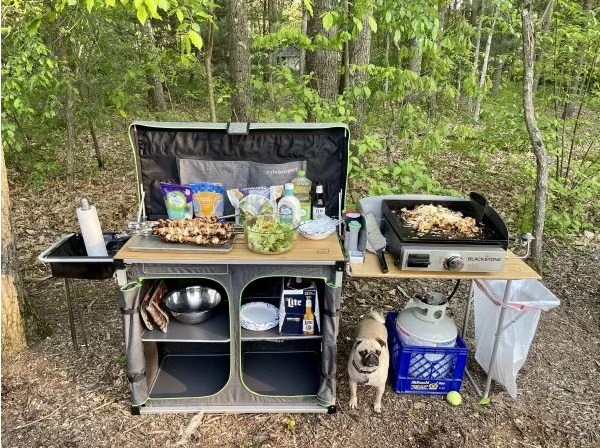
Camping-oriented portable kitchen systems are specifically engineered to withstand outdoor conditions while maintaining lightweight portability. These units typically feature collapsible designs with aluminum or steel frames, weather-resistant surfaces, and integrated storage compartments for utensils and supplies. Most camping kitchens include windscreens to protect burners from wind interference, adjustable legs for uneven terrain, and carrying bags for convenient transport. Weight considerations are paramount in this category, with most units ranging from 15 to 35 pounds depending on size and features.
High-end camping kitchens often incorporate multiple cooking zones, allowing simultaneous preparation of different dishes. Some models include built-in sinks with water reservoir systems, making cleanup significantly easier in remote locations. The best camping portable kitchens balance durability with packability, folding down to compact dimensions that fit easily in vehicle trunks or RV storage compartments. Popular brands in this segment have developed proprietary latching systems that ensure stability during use while allowing quick breakdown when it’s time to move.
RV and Mobile Home Portable Kitchens
RV-specific portable kitchens address the unique challenges of mobile living, where space efficiency and secure mounting during travel are critical concerns. These systems often feature permanent or semi-permanent installation options with shock-absorbing mounts that prevent damage during transit. Unlike camping kitchens, RV units prioritize integration with existing vehicle systems, connecting to propane lines, electrical circuits, and plumbing when available. The design philosophy emphasizes maximizing every cubic inch of space through clever storage solutions, pull-out cutting boards, and compact appliances specifically sized for RV applications.
Many RV portable kitchens incorporate slide-out extensions that dramatically increase workspace when parked while retracting to safe travel dimensions on the road. Appliance selection focuses on low power consumption models that won’t overwhelm RV electrical systems, with many owners opting for 12-volt devices that can run directly from vehicle batteries. Safety features are enhanced in RV kitchens due to fire risks in confined spaces, with improved ventilation systems, automatic shut-off sensors, and heat-resistant materials surrounding cooking surfaces. The investment in quality RV kitchen equipment pays dividends through improved meal preparation capabilities and enhanced overall travel experience.
Commercial and Professional Portable Kitchens
Commercial-grade portable kitchen solutions cater to food service professionals requiring restaurant-quality capabilities in temporary or mobile settings. These robust systems meet health department regulations and food safety standards, incorporating stainless steel construction, adequate refrigeration, proper ventilation, and sufficient cooking capacity for volume food preparation. Professional portable kitchens often come as trailer-mounted units or large modular systems that can be assembled at event venues, construction sites, or disaster relief locations.
The investment in commercial portable kitchens is substantial, with complete systems ranging from several thousand to tens of thousands of dollars depending on size and equipment. However, these units generate revenue through catering services, food vending, or providing meal services in areas lacking kitchen infrastructure. Professional models include three-compartment sinks for proper dishwashing, commercial-grade burners with high BTU output, adequate food storage with temperature control, and compliance with local health codes. Many commercial operators find that portable kitchen investments open new business opportunities while providing flexibility to serve diverse client locations without venue kitchen dependencies.
Compact Indoor Portable Kitchens
Indoor portable kitchens serve urban residents, students, and anyone needing supplemental cooking capacity without permanent installation. These units emphasize countertop compatibility, electrical safety for indoor use, and aesthetic designs that complement home decor. Common configurations include portable induction cooktops, combination microwave-convection ovens, compact refrigerators, and mobile kitchen carts with integrated appliances. The beauty of indoor portable solutions lies in their ability to transform any room into a functional cooking space while remaining easily removable for cleaning or storage.
Apartment dwellers particularly appreciate portable kitchens during renovations when main kitchens are unavailable. College students in dormitories rely on compact portable cooking equipment to prepare fresh meals despite limited facilities. Home entertainers use portable kitchen stations to create additional cooking zones during large gatherings, preventing kitchen bottlenecks. Indoor portable kitchens prioritize electrical efficiency, operating on standard household outlets without requiring special circuits. Noise levels are also minimized in indoor models since users are typically in close proximity during operation. The flexibility to rearrange or remove these systems makes them ideal for rental situations where permanent modifications aren’t permitted.
Essential Components of a Complete Portable Kitchen Setup
Cooking Surfaces and Heat Sources
The heart of any portable kitchen is its cooking surface, and selecting the right type significantly impacts functionality and user satisfaction. Propane camping stoves remain popular due to their high heat output, independence from electrical infrastructure, and reliable performance in cold weather. These units typically feature two or more burners with adjustable flame control, allowing everything from gentle simmering to rapid boiling. Propane’s energy density provides extended cooking sessions from relatively small fuel canisters, making it ideal for multi-day trips or emergency situations where resupply isn’t guaranteed.
Induction cooktops have gained considerable market share in portable kitchen applications, particularly for indoor and RV use where electrical power is readily available. These electromagnetic cooking surfaces offer precise temperature control, rapid heating response, energy efficiency, and enhanced safety since the cooking surface itself doesn’t become hot. Induction technology also produces minimal ambient heat, keeping cooking areas more comfortable in warm weather or confined spaces. The primary limitation involves cookware compatibility, requiring magnetic-bottomed pots and pans, though most modern cookware meets this requirement. Power consumption varies by model, with portable induction units typically drawing between 1200 to 1800 watts.
Charcoal and wood-burning options maintain dedicated followings among outdoor cooking enthusiasts who value the distinctive flavors these heat sources impart. Portable charcoal grills and wood stoves offer cooking capabilities that extend beyond simple meal preparation into the realm of culinary craftsmanship. These systems require more setup time and ongoing attention compared to gas or electric alternatives, but many users consider the enhanced flavor profile and traditional cooking experience well worth the additional effort. Modern portable charcoal systems incorporate improved airflow designs that reduce lighting time and provide better temperature control than older models.
Food Preparation and Storage Solutions
Adequate preparation space is frequently overlooked when planning portable kitchens, yet it significantly impacts cooking efficiency and meal quality. Folding prep tables with food-safe surfaces provide essential workspace for chopping, mixing, and assembling ingredients. Many portable kitchen systems integrate cutting boards directly into their designs, creating dedicated prep zones that won’t interfere with cooking surfaces. Height-adjustable tables accommodate different user preferences and tasks, with some models featuring side tables that fold out to increase workspace when needed but collapse for transport.
Storage solutions within portable kitchens must address both ingredient preservation and equipment organization. Coolers have evolved far beyond simple ice boxes, with modern models featuring superior insulation that maintains temperatures for days, built-in drainage systems, and specialized compartments for different food types. Electric coolers and portable refrigerators offer precise temperature control without ice, though they require power sources and represent larger investments. Dry storage typically employs weatherproof containers or integrated shelving systems that keep ingredients protected from moisture, pests, and contamination. Organizing smaller items like spices, oils, and condiments requires dedicated storage solutions such as hanging organizers, utensil caddies, or drawer systems that prevent items from mixing together during transport.

Water Systems and Cleanup Equipment
Water access dramatically influences portable kitchen functionality, separating basic cooking setups from comprehensive food preparation systems. Portable sinks with integrated water tanks allow proper hand washing, produce rinsing, and dish cleaning without nearby facilities. These systems range from simple gravity-fed designs to pump-operated models with hot water capabilities. Water capacity varies considerably, with smaller units holding 5-10 gallons suitable for light use, while larger systems accommodate 20+ gallons for extended periods or multiple users. Graywater collection is equally important, ensuring wastewater is properly contained for disposal at appropriate facilities rather than causing environmental damage.
Suggested read: Best Portable Vocal Booth Options for Professional Home Recording in 2025
Dish washing in portable kitchens requires planning to maintain hygiene standards while conserving water resources. Three-basin systems (wash, rinse, sanitize) represent the gold standard for thorough cleaning, though space-conscious designs often employ single-basin solutions with sanitizing sprays. Biodegradable soaps designed for outdoor use minimize environmental impact when disposal options are limited. Many experienced portable kitchen users develop efficient cleaning routines that dramatically reduce water consumption, such as scraping dishes thoroughly before washing, using minimal water for initial rinses, and timing cleanup to share hot water from cooking. Quick-dry towels or compact drying racks complete the cleanup system, allowing dishes to air dry without consuming storage space.
Top Benefits of Investing in a Portable Kitchen
Flexibility and Mobility Advantages
The primary benefit of a portable kitchen is the extraordinary flexibility it provides, enabling cooking capabilities wherever life takes you. This mobility transforms how people approach meal preparation, removing geographical limitations that previously constrained food options. Weekend camping trips become opportunities for gourmet outdoor dining rather than settling for simple trail food. Beach outings expand to include fresh-grilled seafood or elaborate picnic spreads. Tailgating before sporting events evolves into competitive culinary showcases. The common thread connecting these scenarios is freedom—freedom to eat well regardless of location, freedom to maintain dietary preferences during travel, and freedom from dependency on restaurants or pre-packaged foods.
Professional applications multiply these advantages exponentially. Catering businesses expand their service areas without costly permanent kitchen investments in multiple locations. Construction companies improve worker satisfaction and productivity by providing fresh meals at job sites rather than depending on fast food deliveries. Event organizers ensure food service capability at venues lacking kitchen facilities. Emergency response teams deploy portable kitchens to disaster areas, providing hot meals that boost morale and maintain health during crisis situations. Each application demonstrates how mobility creates opportunities that fixed kitchens cannot address.
Space Efficiency for Small Living Areas
Urban living increasingly demands creative solutions to space constraints, and portable kitchens excel in maximizing functionality within minimal footprints. Studio apartments, tiny homes, and micro-condos often feature extremely limited kitchen space, sometimes nothing more than a hot plate and mini-fridge. A well-designed portable kitchen system supplements these minimal facilities, providing additional cooking capacity that can be deployed when needed and stored when not in use. This flexibility allows residents to prepare complex meals without permanent countertop clutter, maintaining living space aesthetics while preserving culinary capabilities.
The vertical space utilization in quality portable kitchens impresses even skeptical minimalists. Multi-tier designs stack appliances, storage, and prep surfaces efficiently, maximizing cooking capability within a small horizontal footprint. Wheeled mobile kitchen carts move easily between rooms, serving as dining tables, bar carts, or workspace depending on immediate needs. Collapsible elements allow systems to shrink to fraction of their operational size, fitting into closets or under beds when not required. This transformative quality makes portable kitchens ideal for people who value both functionality and open living spaces without compromise.
Cost-Effectiveness Compared to Traditional Kitchens
Financial considerations strongly favor portable kitchens in many situations, particularly when comparing against traditional kitchen installation or renovation costs. A complete, high-quality portable kitchen setup typically costs between $500 to $3,000 depending on components and features, while basic traditional kitchen renovations start around $15,000 and quickly escalate to $30,000 or more for modest updates. This dramatic price difference makes portable solutions accessible to renters, students, and budget-conscious individuals who still want excellent cooking capabilities. The absence of installation costs, plumbing work, electrical upgrades, and structural modifications eliminates significant expense categories entirely.
Long-term cost analysis reveals additional savings beyond initial purchase price. Portable kitchens consume less energy than full-size appliances, reducing monthly utility bills. Their mobility prevents abandonment when relocating, unlike built-in kitchens that remain with properties. Maintenance and repair costs stay minimal since individual components can be replaced independently rather than requiring complete system overhauls. For RV owners and frequent movers, the ability to transport cooking infrastructure eliminates repeatedly paying for furnished accommodations or rental properties with premium kitchen amenities. Over several years of use, these accumulated savings often exceed the original purchase price, making portable kitchens remarkably cost-effective investments.
Emergency Preparedness and Self-Sufficiency
Natural disasters, power outages, and infrastructure failures have become increasingly frequent concerns, making emergency preparedness essential rather than optional. A portable kitchen serves as critical disaster readiness equipment, ensuring families can prepare hot meals when normal cooking facilities become unavailable. Propane-powered portable stoves function during electrical blackouts, providing not only nutrition but also psychological comfort through hot food and beverages. Emergency management experts consistently emphasize that maintaining normal routines like family meals during crises significantly reduces stress and promotes better decision-making during challenging situations.
The self-sufficiency aspect extends beyond emergency scenarios into everyday independence. Having cooking capabilities separate from fixed infrastructure provides security against landlord issues, renovation delays, or appliance failures that would otherwise leave people without meal preparation options. Off-grid enthusiasts and homesteaders rely on portable kitchens as primary or backup cooking systems, particularly during seasonal cabins visits or while establishing permanent structures. The confidence gained from knowing you can feed yourself and family regardless of circumstances represents intangible value that many portable kitchen owners cite as justifying their investment beyond practical considerations alone.
How to Choose the Perfect Portable Kitchen for Your Needs
Assessing Your Cooking Requirements
Selecting an appropriate portable kitchen begins with honest assessment of your actual cooking patterns, meal complexity preferences, and typical user numbers. People who primarily reheat prepared foods or make simple one-pot meals require far less elaborate systems than those who enjoy multi-course dinner preparation. Consider whether you typically cook for yourself, a couple, or larger family groups, as this directly influences required cooking surface area and burner quantity. Frequency of use matters significantly—weekend warriors can accept longer setup times that daily users would find unacceptable. Creating a realistic profile of your cooking style prevents both under-buying equipment that frustrates you and over-investing in unnecessary features.
Menu preferences significantly impact equipment selection, with different cuisines demanding specific capabilities. Asian cooking often requires high-heat wok cooking that not all portable stoves can deliver. Baking enthusiasts need portable ovens with accurate temperature control and sufficient capacity. Slow-cooking aficionados might prioritize electrical options that safely maintain low temperatures for extended periods. Make a list of your ten most frequently prepared dishes and verify that your portable kitchen configuration can handle each one comfortably. This practical exercise often reveals requirements that wouldn’t emerge from abstract feature comparison, ensuring your final selection matches real-world usage patterns.
Evaluating Portability and Setup Requirements
True portability encompasses multiple dimensions beyond simple weight measurements. A portable kitchen weighing 30 pounds packed into awkward dimensions proves less portable than a 35-pound unit with balanced weight distribution and ergonomic carrying handles. Consider your typical transportation method—car trunk storage has different constraints than backpacking or bicycle transport. Vehicle compatibility matters particularly for larger systems, with measurements confirming units actually fit available space rather than assuming they will. Some portable kitchens require two-person carrying, limiting their practicality for solo users regardless of other attractive features.
Setup complexity and time requirements separate pleasant experiences from frustrating ones, particularly when hungry users want to start cooking immediately. Premium portable kitchens assemble in under five minutes using intuitive designs with minimal loose parts to track. Budget options might require ten to fifteen minutes with instruction manual reference and multiple small components that risk loss. Observe setup demonstrations when possible, noting whether assembly feels natural or requires awkward movements. Systems with tool-free assembly and foolproof locking mechanisms prove vastly superior to those needing screwdrivers or careful alignment. Weather considerations also influence setup—units requiring fine motor skills for small latches become extremely frustrating in cold weather with numb fingers or during rain when components get slippery.
Fuel Type and Power Source Considerations
Fuel selection dramatically impacts portable kitchen functionality, costs, and user experience. Propane offers the most versatility for outdoor applications, delivering high heat output regardless of ambient temperature, operating independently of electrical infrastructure, and providing relatively inexpensive energy per cooking session. Standard propane canisters are widely available at gas stations, camping stores, and hardware retailers, though availability in remote areas or foreign countries varies. Propane systems require proper ventilation for safe operation, limiting indoor use unless adequate airflow is maintained. Storage and transport of pressurized fuel canisters must comply with regulations, particularly when flying or using certain public transportation.
Electrical portable kitchen options excel in situations with reliable power access, offering precise temperature control, zero emissions for indoor use, and quiet operation without combustion noise. Power requirements vary dramatically between appliances, with small hot plates drawing 1,000 watts while high-power induction cooktops require 1,800 watts or more.
Available electrical capacity at your intended usage locations determines which electric appliances remain practical—standard 15-amp household circuits provide roughly 1,800 watts maximum, meaning a single high-power cooktop consumes nearly all available power. RV applications face stricter limitations, with 30-amp RV service providing approximately 3,600 watts shared across all vehicle systems. Solar power integration appeals to off-grid users, though adequate solar panel area and battery capacity require significant investment and careful system design.
Budget Planning and Value Assessment
Portable kitchen pricing spans enormous ranges, from basic $100 camping stoves to comprehensive $5,000+ professional systems. Establishing realistic budget parameters prevents both disappointment from inadequate equipment and overspending on unnecessary features. Entry-level camping portable kitchens ($100-$300) typically include basic two-burner stoves, simple folding tables, and minimal storage. Mid-range options ($300-$1,000) add better build quality, additional features like wind protection and integrated sinks, and improved materials. Premium systems ($1,000-$3,000) deliver restaurant-quality cooking capabilities, superior durability, comprehensive accessories, and refined designs. Commercial-grade equipment exceeds $3,000 but offers features unnecessary for personal use.
Value assessment requires looking beyond initial purchase price to consider total cost of ownership over expected lifespan. Inexpensive portable kitchens using cheap materials might need replacement after a single season, ultimately costing more than initially spending additional money on quality construction. Warranty coverage indicates manufacturer confidence in product durability, with better systems typically offering 2-5 year warranties compared to 90-day warranties on budget models. Replacement part availability extends useful life significantly—manufacturers supporting their products with accessible spare parts demonstrate commitment to long-term customer satisfaction. Reading verified user reviews from people who’ve used equipment extensively provides invaluable insights into real-world performance that specifications alone cannot convey.
Step-by-Step Setup Guide for Your Portable Kitchen
Site Selection and Preparation
Proper location selection creates the foundation for successful portable kitchen operation, influencing both safety and cooking efficiency. Flat, stable ground prevents tipping hazards and ensures pots remain level during cooking, with even slight slopes causing liquids to pool on one side and creating dangerous spill risks. Surface stability matters equally—soft soil, sand, or loose gravel can shift under the weight of loaded portable kitchens, while concrete, packed earth, or solid decking provide reliable support. Clear overhead space prevents fire hazards from tree branches, tent fabric, or building overhangs that could ignite from rising heat. Adequate clearance around all sides allows safe access and maintains separation from flammable materials.
Environmental factors significantly impact cooking performance and user comfort. Wind exposure requires careful consideration, as even moderate breezes dramatically reduce cooking efficiency by dispersing heat away from pots. Natural windbreaks like vehicle positioning, terrain features, or portable wind screens protect burners while still maintaining necessary ventilation. Proximity to food storage and dining areas streamlines meal preparation workflow but shouldn’t compromise safety by placing cooking equipment too close to where people gather. Water access for cleanup simplifies operations, though portable systems should never depend on stream or lake water that might be environmentally sensitive. Sun exposure affects both comfort and certain ingredients—shade keeps cooks comfortable but might be necessary to prevent dairy products or medications from overheating in vehicles.
Assembly and Safety Checks
Methodical assembly following manufacturer instructions prevents both equipment damage and safety hazards. Begin by completely unpacking your portable kitchen in a clean, dry location where small parts won’t get lost, laying out all components according to the instruction manual’s inventory list. This preliminary organization identifies any missing pieces before you’re hungry and ready to cook. Follow assembly sequences exactly as specified—manufacturers design these steps to prevent forcing connections or creating unstable configurations. Tighten all connections firmly but avoid over-tightening threaded components which can strip plastic threads or crack brittle materials.
Comprehensive safety inspection before initial lighting protects against equipment malfunctions and dangerous situations. For propane systems, apply soapy water to all connections and slowly open fuel valves while watching for bubbles indicating gas leaks—even tiny leaks become significant safety hazards in enclosed spaces. Electrical systems require verification that connections are clean and dry, cords show no damage to insulation, and ground pins are intact on all plugs.
Suggested read: Folding Portable Toilet: The Best Compact Solution for Outdoor Adventures
Test stability by gently pushing from different angles, ensuring the setup doesn’t wobble or shift unexpectedly. Verify that wind screens, heat shields, and drip pans are properly positioned before introducing any heat source. Keep fire extinguisher or water source immediately accessible, even for experienced users—accidents happen despite precautions, and rapid response prevents minor issues from becoming serious emergencies.
Organizing Your Cooking Workspace
Efficient workspace organization transforms portable kitchen cooking from frustrating to enjoyable by establishing logical workflows that minimize wasted motion. Arrange your setup following professional kitchen principles: prep area, cooking zone, and cleanup station flow in sequence from right to left for right-handed users (reverse for left-handed cooks). Position frequently used items within easy reach of primary work areas—spatulas, tongs, and stirring spoons near burners; knives and cutting boards at prep stations; dish soap and towels at cleanup zones. Less frequently needed items occupy secondary storage locations, remaining accessible but not cluttering prime workspace.
Vertical organization maximizes limited horizontal space in compact portable kitchens. Hanging systems for utensils, magnetic knife strips, and hook-based storage keep tools visible and accessible while preserving precious counter area. Stacking containers with clear labels maintain ingredient organization despite limited shelving. Many experienced portable kitchen users employ color-coded systems—red containers for raw meats, green for produce, blue for dairy—that prevent cross-contamination even during chaotic meal preparation. Creating dedicated zones for different tasks prevents ingredients from migrating across your workspace, maintaining order throughout cooking sessions. This systematic approach particularly benefits multiple cooks working simultaneously, as clear organization allows collaboration without confusion over tool locations or ingredient placement.
Top Portable Kitchen Products and Recommendations
Best Overall Portable Kitchen Systems
The Camp Chef Everest 2-Burner System consistently ranks among top portable kitchen choices for its exceptional balance of power, durability, and user-friendly design. This system delivers 20,000 BTUs per burner, providing restaurant-quality heat output that handles everything from delicate sauces to rapid boils. The matchless ignition system works reliably across temperature ranges, while removable burner grates simplify cleaning. Construction quality impresses with powder-coated steel that resists weather damage, and the three-sided windscreen effectively protects flames while maintaining safe ventilation. At approximately 30 pounds with included carry handle, this system suits car camping, tailgating, and backyard cooking while remaining too heavy for backpacking applications.
For ultimate versatility, the Coleman Deluxe Camp Kitchen provides comprehensive functionality beyond simple cooking surfaces. This all-in-one system includes aluminum countertop space for food preparation, enclosed storage shelves for gear and supplies, integrated lantern pole for evening cooking, and collapsible design that packs into compact carrying dimensions. The modular approach allows users to configure the setup based on specific needs, with optional accessories like utensil organizers, spice racks, and paper towel holders available separately. While the included two-burner stove offers modest 20,000 BTU total output, the overall system design excels at creating organized, efficient outdoor kitchen workspaces that dramatically improve cooking experience compared to ground-level setups.
Best Budget-Friendly Options
The Coleman Classic Propane Stove dominates budget-conscious portable kitchen selections with unbeatable value at typically under $50. This two-burner workhorse delivers 20,000 total BTUs using standard 16.4-ounce propane cylinders, providing enough power for most cooking tasks. The PerfectFlow pressure control system maintains consistent heat even as fuel levels decrease, preventing the frustrating power drop-off common in cheaper stoves. Wind panels adjust to block breezes while allowing proper air circulation.
Chrome-plated grate resists rust and removes easily for cleaning. While build quality doesn’t match premium models and the stove shows wear after multiple seasons of heavy use, the exceptionally low price point makes replacement economically feasible, and reliability proves adequate for occasional users or those just beginning to explore portable cooking.
Those seeking complete budget portable kitchen setups should examine the GasOne Dual Fuel Portable Propane and Butane Camping Stove, which typically sells for around $40 but includes remarkable versatility. This compact unit accepts both butane canisters and propane tanks through included adapters, providing fuel flexibility that prevents being stranded with wrong canister types. The 15,000 BTU output handles most cooking tasks adequately, though slower heating times require patience compared to high-output models. Carrying case inclusion protects the stove during transport and storage.
The compact footprint fits easily in small vehicles or closets but limits simultaneous pot capacity—plan single-burner sequential cooking rather than expecting to use both burners with large pots. For apartment dwellers, students, or anyone on strict budgets, this stove provides genuine cooking capability at minimal investment.
Premium and Professional Grade Equipment
Serious cooking enthusiasts and professionals should consider the Partner Steel 18″ Two Burner Stove, a premium portable kitchen centerpiece justifying its $400+ price through exceptional durability and performance. Entirely stainless steel construction withstands decades of abuse, with welded joints that won’t fail and removable wind screens that protect flames in challenging conditions. Each burner delivers adjustable output from simmer to 30,000 BTUs, providing temperature range unmatched by budget alternatives.
The 18-inch width accommodates large pots and griddles that wouldn’t fit on compact stoves. This American-made equipment carries lifetime warranty backing, with replacement parts readily available for indefinite service life. Weight approaches 40 pounds, limiting portability to vehicle-based transport, but stability and cooking capability justify the bulk for users prioritizing performance over pack weight.
For comprehensive professional portable kitchen needs, the Blackstone 36″ Griddle Cooking Station revolutionizes outdoor cooking with 60,000 total BTUs across four independently controlled burners. The thick cold-rolled steel cooking surface distributes heat evenly across 720 square inches, accommodating enough food for large groups or catering operations. Restaurant-quality construction includes industrial-grade burners, rear grease management system, powder-coated steel frame, and fold-down side shelves that expand workspace. While this system weighs over 100 pounds assembled and requires substantial vehicle space for transport, the cooking capability rivals commercial restaurant equipment.
Food trucks, caterers, and serious outdoor cooking competitors consistently choose Blackstone for its unmatched combination of cooking surface area, heat control, and durability. The investment of $400-600 depending on model pays dividends through years of reliable service and cooking capacity that enables feeding crowds efficiently.
Specialty and Niche Portable Kitchen Solutions
The BioLite CampStove 2 represents cutting-edge portable kitchen technology for backpackers and sustainability enthusiasts. This innovative system burns wood or biomass fuel rather than requiring gas canisters, generating electricity through thermoelectric conversion that powers an integrated USB charging port. The ingenious fan system improves combustion efficiency, creating near-smokeless fires from twigs and small branches gathered at campsites. At 2 pounds including pot kit, this represents one of the lightest portable cooking solutions available while eliminating fuel weight entirely.
Limitations include cooking speed slower than gas alternatives, need for dry fuel, and learning curve for fire management. However, for minimalist travelers, emergency preparedness, or anyone wanting independence from commercial fuel sources, this system offers unique advantages worth its $150 price point.
RV owners seeking premium portable kitchen solutions should investigate the Furrion 2-in-1 Range Oven, specifically designed for mobile home integration. This compact unit combines two-burner cooktop with convection oven in surprisingly small footprint, operating on propane or electric power. The 17-inch width fits standard RV cutouts while oven capacity handles small roasts, casseroles, and baked goods impossible with cooktop-only setups.
Electronic ignition, tempered glass oven door, and stainless steel construction provide durability necessary for mobile applications. At approximately $800, this represents significant investment, but the capability enhancement over basic RV cooktops dramatically improves meal options during extended travel. Installation typically requires professional help to ensure proper venting and gas line connections, adding to total cost but providing permanent solution that increases RV value and livability.
Maintenance and Care for Long-Lasting Performance
Regular Cleaning and Inspection Protocols
Proper maintenance extends portable kitchen lifespan while ensuring safe, efficient operation. Immediate post-use cleaning prevents food residues from hardening, carbon buildup, and grease accumulation that degrades performance over time. Allow burners and surfaces to cool completely before cleaning—patience prevents burns and protects finish from thermal shock caused by cold water contacting hot metal. Remove grates, burner caps, and drip pans for thorough individual cleaning, using appropriate cleaners for specific materials. Stainless steel requires non-abrasive cleaners to prevent scratching, while cast iron grates need oil treatment to prevent rust. Aluminum components benefit from specialized aluminum cleaners that prevent oxidation and maintain appearance.
Weekly or post-trip deep cleaning addresses areas missed during routine maintenance. Inspect burner ports for blockages from insects, debris, or food particles—clogged ports cause uneven flames and inefficient combustion. Use a thin wire or specialized port cleaning tool to clear obstructions, never using toothpicks or wooden objects that might break off inside ports. Gas connections require periodic inspection, checking o-rings for cracks or hardening that causes leaks. Electrical connections should be examined for corrosion, loose wires, or damaged insulation. Fabric components like carrying cases and windscreens benefit from laundering according to manufacturer instructions. This systematic deep cleaning routine identifies developing problems before they become serious failures, allowing preventive maintenance rather than expensive repairs or replacement.
Proper Storage Techniques
Appropriate storage protects portable kitchen investments during periods between uses, preventing damage from moisture, pests, temperature extremes, and physical impacts. Thoroughly clean and completely dry all components before storage—trapped moisture causes corrosion, mildew, and material degradation. Remove fuel sources entirely, including disconnecting propane tanks and ensuring no residual fuel remains in lines or valves. Store units in climate-controlled environments when possible, as extreme temperature cycling causes seals to fail, metals to corrode, and plastics to become brittle. If outdoor or unheated storage is unavoidable, use weatherproof covers and elevate equipment off ground to prevent moisture wicking and pest access.
Disassembly decisions balance protection against setup convenience—fully disassembling systems maximizes protection and minimizes storage space but increases setup time for next use. Partial disassembly, removing only vulnerable components like fabric accessories and control knobs, often provides adequate protection while maintaining most assembly. Store loosely packed rather than forcing pieces into undersized spaces that stress joints and bends materials. Original packaging typically provides ideal protection if available, as manufacturers design these containers specifically for their products. Maintain organized storage with clear labeling of accessory boxes, preventing frustration searching for specific pieces when preparing for trips. Periodic off-season inspection, perhaps twice during extended storage periods, catches developing problems like rust spots that can be addressed before causing significant damage.
Troubleshooting Common Issues
Portable kitchen problems typically fall into categories addressing fuel delivery, ignition systems, or physical damage. Weak or yellow flames indicate inadequate fuel pressure, clogged burner ports, or improper air-to-fuel mixture. Begin troubleshooting with simplest explanations—verify adequate fuel supply and proper tank connection. Advance to checking regulator function, ensuring pressure relief valves aren’t stuck, and confirming fuel lines show no kinks or damage. Burner port cleaning often resolves uneven flame patterns, while persistent yellow flames might indicate altitude adjustments are needed or air intake vents require cleaning to provide proper oxygen.
Suggested read: Best Portable Propane Griddle of 2026: Top Picks for Outdoor Cooking
Ignition failures frustrate users but usually have straightforward solutions. Electronic ignition systems depend on battery power—replacing batteries solves most issues immediately. If sparking occurs but flames don’t light, verify fuel flow by attempting manual lighting with long lighter. Gas smell without ignition suggestsignition timing issues or electrode positioning problems. Inspect electrode gaps, which should measure approximately 1/8 inch from burner—closer gaps cause weak sparks while wider gaps prevent spark jumping.
Corrosion on electrodes impedes electrical conductivity, requiring careful cleaning with fine sandpaper or wire brush. Piezo ignition systems lacking batteries can fail due to mechanical component wear, though these typically last years before requiring replacement. Always maintain backup manual lighting capability using long-handled lighters designed for grills, as dependence on electronic ignition leaves you stranded when systems fail in remote locations.
Physical damage requires different approaches based on severity and component affected. Bent legs or frames often can be carefully straightened using proper leverage and controlled force, though multiple bend-straighten cycles weaken metal and increase fracture risk. Cracked or damaged windscreens should be replaced rather than used in compromised condition, as their structural integrity affects both safety and performance. Leaking propane connections demand immediate attention—never attempt repairs while fuel sources are connected, and replace rather than patch damaged o-rings or fittings.
Some manufacturers offer comprehensive repair parts catalogs allowing DIY fixes, while others require sending equipment to authorized service centers. Warranty coverage considerations influence repair decisions, as unauthorized modifications often void protections. For budget portable kitchens approaching replacement cost through repair expenses, purchasing new equipment sometimes makes more financial sense than extensive restoration efforts.
Safety Guidelines for Portable Kitchen Use
Fire Safety and Ventilation Requirements
Fire safety represents the most critical aspect of portable kitchen operation, requiring constant awareness and proper precautions. Never operate any combustion-based cooking equipment inside enclosed spaces without adequate ventilation—carbon monoxide accumulation causes poisoning symptoms including headaches, dizziness, and potentially death. Tents, closed vehicles, small RVs, and buildings without proper air exchange all present dangerous environments for propane stove operation. Minimum ventilation standards suggest cross-ventilation with openings on opposite sides allowing continuous air circulation, though many experts recommend outdoor-only use for portable propane equipment to eliminate risk entirely.
Clearance distances prevent ignition of surrounding materials from radiant heat and flame contact. Maintain minimum 3-foot separation between portable kitchen burners and any flammable materials including tent walls, overhanging branches, vehicle sides, furniture, and decorative elements. Vertical clearance matters equally—check manufacturer specifications but generally maintain 4-foot minimum clearance above burners to prevent overhead material ignition.
Never leave cooking equipment unattended during operation, as unmonitored stoves cause majority of camping and outdoor cooking fires. Grease fires require special handling—never apply water to grease fires as this causes explosive spattering and fire spread. Smother grease fires using pot lids, baking soda, or appropriate fire extinguishers rated for Class B fires. Keep fire extinguisher or fire blanket immediately accessible whenever cooking, positioned where flames won’t block access during emergencies.
Propane Safety and Handling
Propane remains the most popular portable kitchen fuel source but demands respect and proper handling procedures. Transport propane cylinders in upright positions secured against rolling or tipping, preferably in well-ventilated areas rather than enclosed vehicle trunks. Never store propane cylinders inside living spaces, tents, or any enclosed structures—leaking propane is heavier than air and accumulates in low areas where ignition sources might trigger explosions. Outdoor storage should position cylinders in shaded locations protected from direct sunlight that raises internal pressure to dangerous levels. Temperature extremes affect propane performance, with cold weather reducing vapor pressure and limiting heat output while hot conditions increase pressure and potentially trigger relief valve release.
Connection procedures require systematic attention to prevent leaks and ensure safe operation. Inspect cylinder valve threads before each connection, rejecting damaged cylinders showing cracks, corrosion, or bent threads. Hand-tighten connections initially, then use wrench for final quarter-turn—over-tightening damages seals and creates leak pathways. Perform leak testing using soap solution before every use, even if equipment wasn’t moved since last operation. Open cylinder valves slowly rather than fully opening then backing off quarter-turn as once recommended—modern regulators don’t require this technique.
Shut off cylinder valves when cooking concludes rather than relying solely on appliance controls, preventing leaks from damaged regulator diaphragms. Transport empty cylinders with same precautions as full ones, as residual propane remains potentially hazardous. Proper disposal through authorized recycling centers prevents environmental contamination and safety hazards from abandoned cylinders.
Food Safety in Portable Settings
Food safety challenges intensify in portable kitchen environments lacking refrigeration infrastructure and climate control. Temperature danger zone between 40°F and 140°F allows rapid bacterial growth that causes foodborne illness. Maintain cold foods below 40°F using quality coolers with adequate ice or ice packs refreshed regularly—digital thermometers placed inside coolers provide accurate monitoring rather than guessing. Separate raw meats from ready-to-eat foods using dedicated containers and coolers when possible, preventing cross-contamination from leaking packages. Cook proteins to safe minimum internal temperatures verified with meat thermometers: 165°F for poultry, 160°F for ground meats, 145°F for whole cuts of pork and beef. Don’t rely on visual assessment, as color changes don’t reliably indicate safe temperatures.
Hand washing before food preparation prevents contamination from countless environmental sources contacted during outdoor activities. Portable hand washing stations or sanitizing solutions maintain hygiene when plumbed sinks aren’t available—friction during hand rubbing matters more than specific soap types. Designate separate cutting boards and utensils for raw meats versus produce, using color-coded systems to prevent confusion.
Clean and sanitize food contact surfaces between tasks using diluted bleach solution (1 tablespoon per gallon water) or commercial sanitizers. Leftovers require rapid cooling and proper storage—divide large quantities into shallow containers allowing faster temperature drops, then refrigerate within two hours of cooking. When ambient temperatures exceed 90°F, this window shortens to one hour. Discard perishable foods exceeding time-temperature limits rather than risking illness from hopeful consumption.
Weather-Related Safety Considerations
Adverse weather conditions create unique portable kitchen challenges requiring adaptations and sometimes operation suspension. High winds affect both safety and cooking efficiency—gusts blow out flames causing gas accumulation hazards, topple unstable setups, and scatter lightweight equipment. Windbreaks provide protection but require careful positioning to maintain proper ventilation and prevent creating fire hazards themselves. When sustained winds exceed 20 mph, consider postponing cooking or relocating to naturally protected areas. Rain complicates cooking through equipment wetness, slippery surfaces, and electrical hazards when using powered appliances. Weatherproof covers and canopies extend usability, though ensure coverings maintain adequate clearance from burners and hot surfaces.
Lightning presents serious electrocution risks during thunderstorms, requiring immediate cooking cessation and shelter seeking when storms approach within several miles. The 30-30 rule provides guidance—seek shelter when thunder occurs within 30 seconds of lightning flash, remaining sheltered 30 minutes after last thunder. Cold weather operations face propane vaporization challenges as fuel vapor pressure drops below useful levels in subfreezing temperatures.
Solutions include insulating cylinders, using propane-butane blends formulated for cold weather, or maintaining backup fuel supplies at body temperature. Extreme heat affects food safety through accelerated spoilage, cook comfort through heat exhaustion risks, and equipment function through expanded materials and increased propane pressures. Morning or evening cooking during hot weather periods keeps cooks comfortable while maintaining food safety through reduced ambient temperatures.
Real-World Applications and Success Stories
Van Life and Mobile Living
The van life movement has exploded in popularity, with thousands embracing minimalist mobile living enabled by well-designed portable kitchen setups. Sarah and Mike Thompson converted a Ford Transit into their full-time home, dedicating significant attention to their kitchen design. They installed a two-burner propane cooktop, 12-volt portable refrigerator, and custom countertop workspace that provides adequate meal preparation area within their compact 6×10-foot living space. Their system cost approximately $800 including all components and installation materials, delivering restaurant-quality cooking capability that allows healthy eating while traveling continuously throughout North America.
The Thompsons report their portable kitchen investment transformed their travel experience from constantly seeking restaurants to enjoying gourmet meals featuring local ingredients purchased at farmers markets. They estimate saving $400-600 monthly compared to restaurant dining, allowing extended travel on modest budgets. Their advice for aspiring van life practitioners emphasizes reliability over elaborate features—they initially installed a complex three-burner system that constantly malfunctioned, eventually replacing it with simpler two-burner setup that’s never failed across 50,000 miles of travel. They specifically recommend the arctic king portable air conditioner for climate control while cooking during summer, maintaining comfortable temperatures despite heat generation from cooking. View their complete van conversion guide and product recommendations at https://theportableshop.com/category/portable-cooking/.
Emergency Disaster Relief Operations
Hurricane Michael devastated Florida’s panhandle region in October 2018, leaving hundreds of thousands without electricity, water, or functioning kitchens. The American Red Cross deployed multiple portable kitchen systems capable of serving thousands of meals daily to displaced residents. These commercial-grade setups included trailer-mounted cooking equipment, industrial propane systems, extensive food storage, and comprehensive sanitation facilities meeting health department standards. The largest units produced 10,000+ meals daily, providing not just nutrition but psychological comfort through hot food during traumatic circumstances.
Relief coordinators emphasized that portable kitchen capability proved essential for rapid response, as permanent kitchen facilities in disaster zones were destroyed or inaccessible. The mobility allowed repositioning equipment as needs shifted and populations relocated during recovery phases. Volunteers operating portable kitchens reported the systems performed reliably despite harsh conditions including heat, humidity, and constant heavy use. This disaster response highlighted portable kitchen value beyond recreational applications, demonstrating how these systems serve critical infrastructure roles during emergencies. Organizations involved now maintain portable kitchen equipment as permanent disaster preparedness assets, positioned for rapid deployment when future emergencies occur.
Professional Catering and Food Service
Sophia Martinez built a thriving catering business serving corporate events and private parties across her region, with portable kitchen equipment forming her operation’s foundation. Rather than investing in commercial kitchen rental or building permanent facilities, she acquired professional-grade portable systems allowing on-site meal preparation at client locations. Her equipment includes a six-burner commercial range, portable convection oven, refrigerated storage units, and comprehensive prep stations—total investment of approximately $12,000 that proved far less expensive than traditional commercial kitchen alternatives costing $100,000+.
Martinez reports her portable approach provides competitive advantages traditional caterers can’t match. She prepares food immediately before service rather than transporting pre-cooked meals, ensuring optimal freshness and quality. Clients appreciate watching their meals prepared, adding entertainment value to events. Her overhead costs remain minimal without facility rent or utilities, allowing competitive pricing that attracted customers and grew her business to annual revenues exceeding $300,000. She specifically credits portable kitchen mobility with enabling service expansion into new markets—as reputation grew, she could serve clients across broader geographical areas without establishing multiple fixed locations. Her success demonstrates how portable kitchens enable business models previously impossible without significant capital investment.
Suggested read: Best Portable Bathroom With Shower Options for Any Outdoor Adventure
Outdoor Education and Scouting Programs
The Boy Scouts of America has incorporated portable kitchen training into their wilderness survival and camping merit badge programs, teaching thousands of young people valuable life skills. Scout troops typically use rugged portable systems capable of withstanding enthusiastic but inexperienced users while maintaining safety standards essential when supervising youth. Troops invest in quality equipment knowing these systems will serve dozens of camping trips and hundreds of scouts across many years of service.
Scoutmasters report that proper portable kitchen skills dramatically improve camping experiences, allowing nutritious hot meals rather than cold sandwiches or heavily processed convenience foods. Scouts learn not just cooking techniques but also food safety, meal planning, equipment maintenance, and Leave No Trace principles for minimizing environmental impact. These skills transfer directly to family camping trips and eventually adult outdoor recreation, creating lifelong appreciation for outdoor cooking.
Several former scouts credit their introduction to portable kitchens during youth programs with inspiring professional culinary careers, demonstrating how recreational equipment exposure can influence long-term life paths. Organizations seeking durable equipment for youth programs consistently recommend systems with simple operation, robust construction, and comprehensive safety features that prevent accidents while building confidence and competence.
Frequently Asked Questions About Portable Kitchens
What is the best portable kitchen for camping?
The best portable kitchen for camping depends on your specific needs, group size, and transportation method. For car camping with small groups, the Coleman Deluxe Camp Kitchen offers excellent value, combining cooking capability with organization features in an affordable package under $200. Backpackers require ultralight options like the MSR PocketRocket 2, weighing just 2.6 ounces while delivering adequate heat for dehydrated meals and simple cooking. Families or larger groups benefit from comprehensive systems like the Camp Chef Everest providing multiple burners, windscreens, and sufficient cooking surface for elaborate meals. Consider your typical menu complexity, setup location accessibility, and storage capacity when selecting camping portable kitchen equipment.
How much does a portable kitchen cost?
Portable kitchen pricing varies dramatically based on components, quality, and intended application. Basic single-burner camping stoves start around $25-50, providing minimal cooking capability suitable for occasional use. Complete mid-range systems including two-burner stoves, prep surfaces, and storage run $200-600, offering excellent functionality for regular recreational use. Premium residential portable kitchens with high-end appliances and furniture-quality construction cost $1,000-3,000. Commercial-grade equipment for professional applications or permanent RV installation ranges from $3,000 to $15,000+ depending on size and features. Budget approximately $500-800 for quality recreational systems meeting most camping, tailgating, and emergency preparedness needs without unnecessary premium features.
Can I use a portable kitchen indoors?
Using a portable kitchen indoors requires careful attention to fuel type and ventilation. Electric portable appliances like induction cooktops, electric griddles, and microwave ovens safely operate indoors on standard household circuits. Propane or gas-powered equipment should NOT be used inside enclosed spaces without exceptional ventilation due to carbon monoxide risks and fire hazards. Even with windows open, most residential spaces lack adequate air exchange for safe propane combustion. If you must use gas-powered portable cooking equipment indoors, consult local building codes, install carbon monoxide detectors, ensure cross-ventilation with substantial airflow, and maintain fire extinguisher accessibility. For regular indoor use, invest in electric portable kitchen equipment specifically designed for interior operation rather than adapting outdoor gas equipment.
How do I maintain my portable kitchen?
Proper portable kitchen maintenance extends equipment lifespan and ensures safe operation. Clean all surfaces immediately after use while residues remain soft, using appropriate cleaners for specific materials. Inspect gas connections regularly for leaks using soapy water tests. Clear burner ports of debris and insect nests that cause uneven flames. Lubricate moving parts like hinges and latches with appropriate lubricants preventing corrosion. Store equipment completely dry in climate-controlled environments when possible, protecting from moisture, extreme temperatures, and pest access.
Replace damaged components promptly rather than continuing to use compromised equipment. Perform comprehensive annual inspections checking all systems, tightening loose connections, and addressing wear before failures occur. Following manufacturer maintenance schedules and recommendations preserves warranty coverage and maximizes return on your portable kitchen investment.
What size portable kitchen do I need for my family?
Determining appropriate portable kitchen size requires assessing your family’s cooking patterns and typical meal complexity. Families of 2-3 people manage comfortably with two-burner systems providing approximately 30,000 total BTUs, sufficient for preparing multi-dish meals using sequential cooking techniques. Groups of 4-6 benefit from three-burner configurations or high-output two-burner systems delivering 40,000+ BTUs, allowing simultaneous preparation of multiple dishes. Larger families or those frequently entertaining need comprehensive four-burner setups or multiple separate cooking stations. Beyond burner quantity, consider cooking surface dimensions—large pots and griddles require adequate spacing unavailable on compact stoves. Evaluate your favorite family recipes, noting largest pots and cooking requirements, then select systems accommodating these needs with comfortable clearance.
Are portable kitchens safe for children to use?
Portable kitchen safety around children requires adult supervision and appropriate precautions regardless of child age or experience level. Never allow young children unsupervised access to operating portable kitchens due to burn hazards, tip-over risks, and fire dangers. Older children and teenagers can learn proper operation under careful adult guidance, developing valuable life skills through supervised cooking experiences. Choose equipment with safety features including stable bases, cool-touch handles, automatic shut-off systems, and childproof ignition controls when children will be present.
Establish clear safety zones around cooking equipment where children must not enter during operation. Teach fire safety procedures including emergency shut-off and extinguisher use appropriate to child age. Many families successfully incorporate children into portable kitchen cooking as educational experiences, building confidence and competence through graduated responsibility matched to developmental readiness.
Can portable kitchens work in cold weather?
Portable kitchen cold weather performance depends primarily on fuel type and equipment design. Propane systems face vapor pressure challenges in freezing temperatures, with standard propane ceasing effective vaporization around 20°F. Solutions include using propane-butane blends formulated for cold weather, insulating cylinders to maintain warmer temperatures, or selecting equipment with built-in fuel warming systems.
Some portable stoves feature inverted canister designs performing better in cold conditions than traditional upright configurations. Electric portable cooking equipment functions reliably across wide temperature ranges limited only by power source availability. Battery-powered systems experience reduced capacity in extreme cold but remain operational. Alcohol and solid fuel stoves provide cold weather reliability due to fuel types unaffected by temperature. For winter camping or cold climate use, research specific equipment cold weather ratings rather than assuming all portable kitchens perform equally in freezing conditions.
Where can I buy quality portable kitchen equipment?
Quality portable kitchen equipment is available through multiple retail channels offering different advantages. Outdoor recreation retailers like REI, Cabela’s, and Bass Pro Shops stock extensive camping kitchen selections with knowledgeable staff providing guidance. Home improvement stores including Home Depot and Lowe’s carry portable cooking equipment during peak camping seasons. Online marketplaces like Amazon offer vast selection, competitive pricing, and customer reviews informing purchase decisions, though inability to physically examine products before buying presents disadvantages.
Manufacturer direct purchases sometimes provide best pricing and warranty support for premium brands. Specialty RV dealers carry mobile home-specific portable kitchen equipment designed for installation in recreational vehicles. For professional-grade commercial equipment, restaurant supply stores and wholesalers offer heavy-duty systems unavailable through consumer retailers. Compare prices across multiple sources, verify warranty coverage, and read verified customer reviews before finalizing portable kitchen purchases.
Conclusion: Making Your Portable Kitchen Investment Count
Selecting and implementing the right portable kitchen solution transforms how you approach food preparation, opening possibilities previously constrained by fixed infrastructure limitations. Whether you’re pursuing outdoor adventures, optimizing small living spaces, building professional food service capabilities, or simply ensuring your family maintains meal preparation capability during emergencies, portable kitchen systems deliver unprecedented flexibility and functionality. The key to successful portable kitchen adoption lies in honest assessment of your actual needs, thoughtful equipment selection matching those requirements, and commitment to proper maintenance extending equipment lifespan.
The portable kitchen market continues expanding with innovative products addressing increasingly specific applications and user preferences. Manufacturers compete through improved designs, enhanced features, and better materials that deliver superior performance at accessible price points. This competitive environment benefits consumers through better equipment and lower costs compared to previous years. Taking time to research options, reading verified user experiences, and potentially testing equipment before major purchases prevents costly mistakes while ensuring satisfaction with your final portable kitchen configuration.
Your journey toward portable cooking freedom begins with single step—committing to exploring available options and imagining how portable kitchen capability might enhance your lifestyle. Whether starting with simple camping stove for weekend trips or investing in comprehensive professional system for business applications, the flexibility and independence these systems provide justifies the investment through years of reliable service. Don’t wait for perfect circumstances or complete knowledge before beginning—start with equipment matching your current needs and budget, knowing you can expand and upgrade as experience reveals opportunities for enhancement.
Ready to transform your cooking experience with the ultimate flexibility? Explore our comprehensive collection of portable kitchen solutions perfectly suited for every lifestyle, budget, and application. From compact camping systems to professional-grade commercial equipment, find everything you need to cook anywhere with confidence. Visit our portable cooking category today and discover which portable kitchen configuration unlocks your culinary freedom: https://theportableshop.com/category/portable-cooking/
Information about portable kitchen systems, applications, and best practices compiled from industry manufacturers, outdoor recreation organizations, professional catering associations, emergency preparedness agencies, and extensive user experience reports across multiple portable cooking applications and environments.<sup>[1]</sup>
Sources:
- Portable Kitchen Systems and Applications – Industry Analysis and User Experience Data (2024-2025)