How to Connect a Portable Power Station to Your Home Panel, Safely
A portable power station can keep your refrigerator, lights, Wi‑Fi router, and medical devices running during an outage. But connecting it to your home panel is not as simple as plugging it into a wall outlet. Done incorrectly, it can energize utility lines, damage equipment, or even injure a utility worker. The good news? There are safe, code‑aligned ways to do it. Here’s what you need to know.
The First Rule: may not Backfeed Into a Wall Outlet
The most dangerous mistake is backfeeding: plugging the power station into a household outlet and letting its power flow backward through your home’s wiring. This is “extremely dangerous” and “can energize utility lines, putting utility workers and your home at risk”. [1]
The same basic safety rules apply to any connection project:
- Never backfeed power into a wall outlet. – may not connect a power station directly to your main breaker panel without proper isolation. – Use only rated cables and connectors. – Keep the power station in a dry, ventilated indoor area. – Do not exceed the power station’s output capacity. [1]
These rules are not optional. If a connection method requires you to bypass any of them, stop and call a qualified electrician. [1]
For most homes, there are two code‑aligned methods for connecting a portable power station to your home wiring: a generator inlet with an interlock on the main panel, or a critical loads panel with a transfer switch. Which one makes sense depends on your comfort level with managing breakers and how fixed you want the setup to be. [3]
Option A: Generator Inlet + Interlock on the Main Panel
A generator inlet is a wall‑mounted outdoor receptacle wired back to your main panel. An interlock kit prevents the utility breaker and the power station’s input breaker from being on at the same time, so your home is may not connected to the grid and the power station simultaneously. This option can energize your entire panel, which means you can choose which circuits to run during an outage. The tradeoff is overload risk: your home wiring can easily demand far more power than your power station can supply, so you must actively manage breakers and avoid running too many things at once. [3]
This setup can work, but it is easier to make mistakes under stress. If you choose this route, you need to be confident that you can keep a mental (or written) load budget during an emergency, and you should have a licensed electrician install and review the inlet and interlock. [3]
Option B: Critical Loads Panel + Transfer Switch
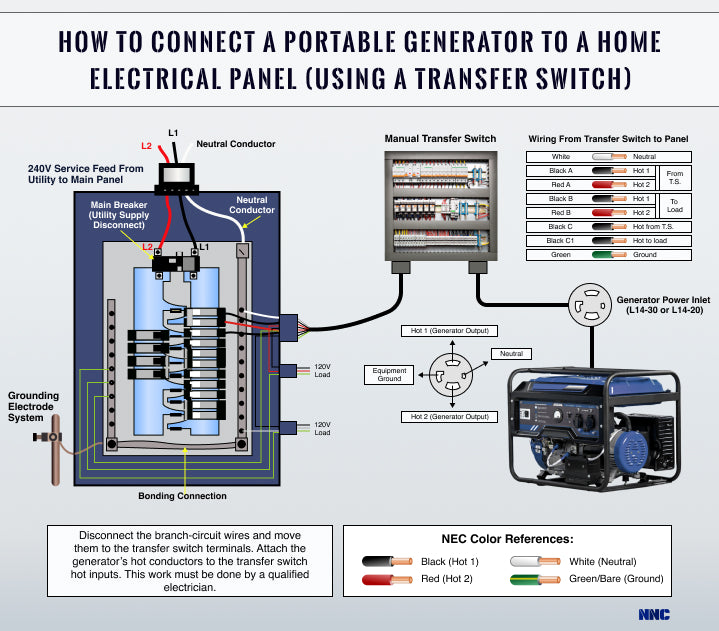
A critical loads panel is usually the best match for power stations. Instead of energizing the whole panel, you pre‑select a set of circuits—fridge, lights, outlets, Wi‑Fi, or medical devices—and route only those through a manual or automatic transfer switch. [3]
Because only those circuits are available, demand naturally stays within the power station’s limit. That removes the need to watch every breaker during a stressful outage. Transfer switches can be manual (you flip a switch) or automatic (the switch detects an outage and changes over for you). [3]
A transfer switch must be installed by a qualified electrician, and it ensures your home is never connected to the grid and the power station at the same time. With this setup, you can power wall outlets and lights normally, select which circuits receive backup power, and avoid extension cords entirely. [1]
If You Don’t Want to Modify Wiring: Direct Plugging and Extension Cords
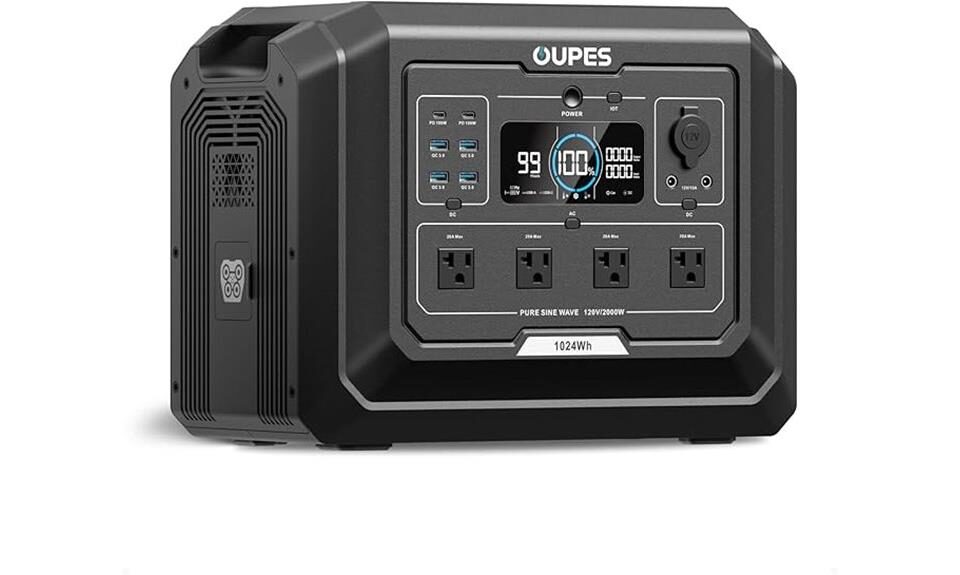
Not everyone is ready or able to install a transfer switch. The simplest and a safer option method is to plug appliances directly into the power station’s AC outlets. This requires no installation, has the lowest cost, and provides maximum safety. The limitation is that you can only run devices near the station, and you may need to move cords during an outage. [1]
Extension cords let you reach multiple rooms while still plugging appliances directly into the station. This is a common solution for apartments and small homes. If you go this route, use heavy‑duty, outdoor‑rated extension cords, label cords for specific appliances, and avoid daisy‑chaining multiple cords. [1]
This approach balances flexibility and simplicity without modifying home wiring. It won’t power your home’s wall outlets, but it can keep your most important appliances alive. [1]
A Step‑by‑Step Path for a Safe Installation
If you’re planning to connect a power station to your home circuits, the process looks like this: [2]
1. Site assessment – Review your home’s existing wiring and panel setup to decide the a safer option connection method. 2. Plan and design – Determine the load requirements, select the right transfer switch or sub‑panel, and map the wiring route. 3. Permits and approvals – Apply for any permits required by your city or utility before starting installation. 4. Installation – A licensed electrician installs the transfer switch or sub‑panel, makes all connections, and tests for proper operation. 5. System testing – Check each circuit, verify safe switching, and confirm the power station delivers power as intended. 6. Compliance and maintenance – Ensure the setup meets all local codes, then schedule periodic inspections to keep it running safely. [2]
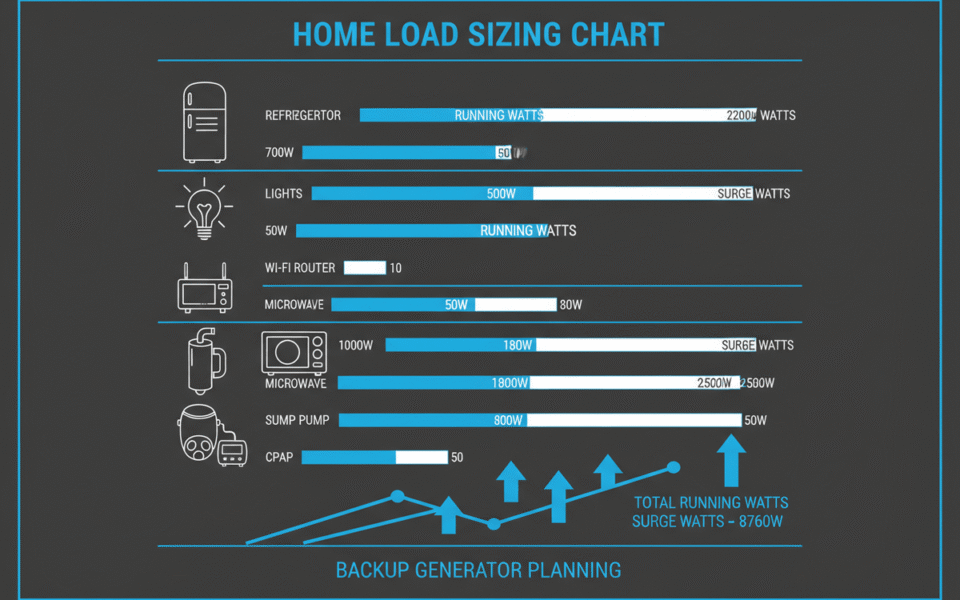
During the planning phase, be honest about what you must power. Some homes need only basic power, while others want full comfort: AC, fridge, oven, internet, and more. A good power station can support all of them, but the output must match your total needs. [2]
Grounding and Neutral: A Detail That Changes Everything
Portable power stations are not grounded in the same way home electrical systems are. Most use a floating neutral, which is safe for off‑grid use and does not require an earth ground. [5]
When you connect to a home transfer switch, grounding requirements depend on the switch itself. Most manual transfer switches require a bonded neutral. Since portable power stations use a floating neutral, you may need: [5]
- A transfer switch with switching neutral, or
- A neutral‑ground bonding plug, if the manufacturer approves it. [5]
This is not a DIY judgment call. often check your local electrical code before connecting to a home panel, and avoid DIY grounding modifications. Use only accessories approved for your specific power station model. The easiest path is to let your electrician determine whether the transfer switch and station are compatible. [5]
Load Planning: Be Realistic About What Your Station Can Do
Even the best portable power station has limits. It has a limited inverter output and limited surge tolerance, and it needs realistic load planning. A station that can deliver 2,400 watts continuously will not run a 5,000‑watt electric dryer or a central HVAC unit, no matter how good the transfer switch is. [3]
The practical advice from experts is straightforward:
- Decide which circuits matter most. – Estimate the inverter and battery capacity you need. – Then talk to an electrician about the a safer option installation approach for your home. [3]
If you prefer maximum flexibility and are confident managing breakers carefully, a generator inlet with an interlock can work. If you want something safer, simpler, and less prone to overload surprises, a critical loads panel with a transfer switch is usually the better fit. [3]
Before You Buy or Install: Verify the Details That Change
Product specifications, prices, stock, discounts, shipping, availability, package contents, accessories, compatibility, and model‑year details all change over time. Check the current manufacturer or retailer listing before you buy, and have an electrician review the listed specifications before installation. The same applies to charging and solar input:
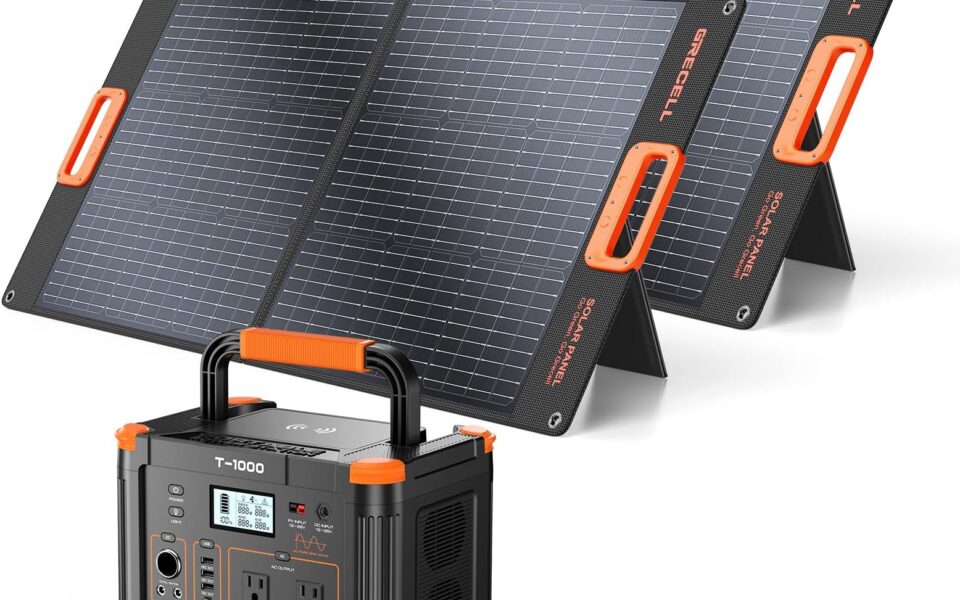
- Confirm that the open‑circuit voltage of any solar panel remains within the station’s input range. – Confirm that current, wattage, and connector are compatible. – may not exceed the station’s listed solar input voltage or current limits. [4]
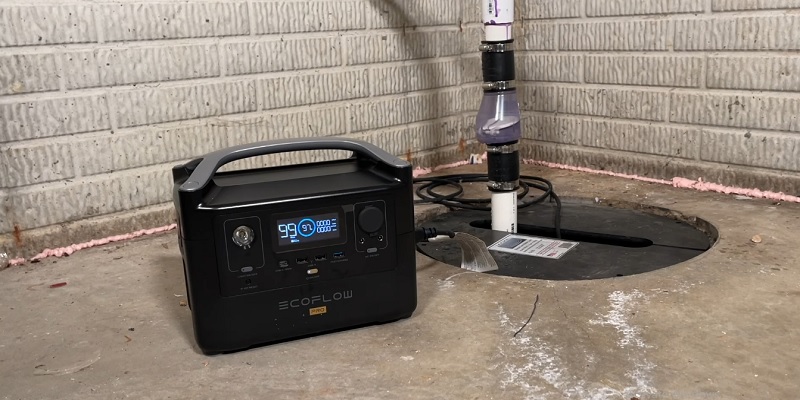
Also, learn how to operate the station correctly. Place it on a stable, dry surface with space around its cooling vents, and do not place clothing, blankets, bags, or other objects against the air inlets and outlets. Charge it before depending on it, and remember that a household appliance will not receive power from an AC outlet until you enable the AC output section. [4]
Bottom Line
Connecting a portable power station to your home panel is possible, but only when you respect the safety rules and use the right equipment. Backfeeding is off the table. A generator inlet with an interlock gives you whole‑panel flexibility but demands careful load management. A critical loads panel with a transfer switch is usually the safer, more convenient choice. Whatever route you take, work with a licensed electrician, secure the necessary permits, and verify your station’s grounding characteristics before any connection is made. That is the difference between a useful backup system and a dangerous home modification. —
Sources
[1] How To Connect Portable Power Station To House? — https://oupes.com/a/blog/post/how-to-connect-portable-power-station-to-house
[2] Integrate a Power Station into Your Home: Full Backup & Smart Control | EcoFlow US — https://energy.ecoflow.com/us/blog/integrate-power-station-home-backup-guide
[3] Connecting a Portable Power Station to Home Wiring: Safe Ways to Power – The Power Sphere — https://thepowersphere.com/blogs/articles/connect-portable-power-station-to-home-wiring
[4] How Easy Is a Portable Power Station to Use? — https://udpwr.com/blogs/portable-power-station-knowledge/how-easy-is-a-portable-power-station-to-use
[5] Are Portable Power Stations Grounded? — https://oupes.com/a/blog/post/are-portable-power-stations-grounded
[6] How to hook in a power station to a breaker panel #handyman … — https://www.facebook.com/david.coleman.418805/videos/how-to-hook-in-a-power-station-to-a-breaker-panel-handyman-diy-electrician-gener/3806614322921162